The Great Upstate Escape
The slow pace of country living collides with big-city ambitions in New York’s Hudson Valley.

New Yorkers have always been drawn to the Hudson Valley. A mere two-hour drive away from the city, the region ticks all the boxes for an idyllic weekend getaway: unspoiled landscapes crisscrossed by rambling trails for amateur and seasoned walkers alike, picturesque riverside villages, history-rich manors and antiques shops always brimming with fresh finds. In the mid-19th century, the area gave its name to one of America’s most prominent artistic movements – the Hudson River School – and it’s been burnishing its aesthetic credentials ever since, with the influential Storm King Art Center opening in the 1960s, the contemporary Dia:Beacon museum heralding another resurgence in 2003, and private Manhattan galleries like Jack Shainman setting up outposts in the valley in the last decade, confirming its centrality for the city’s creative set.
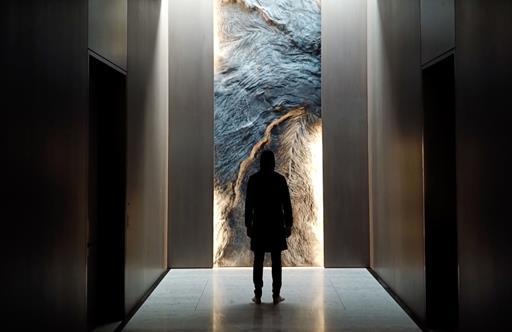
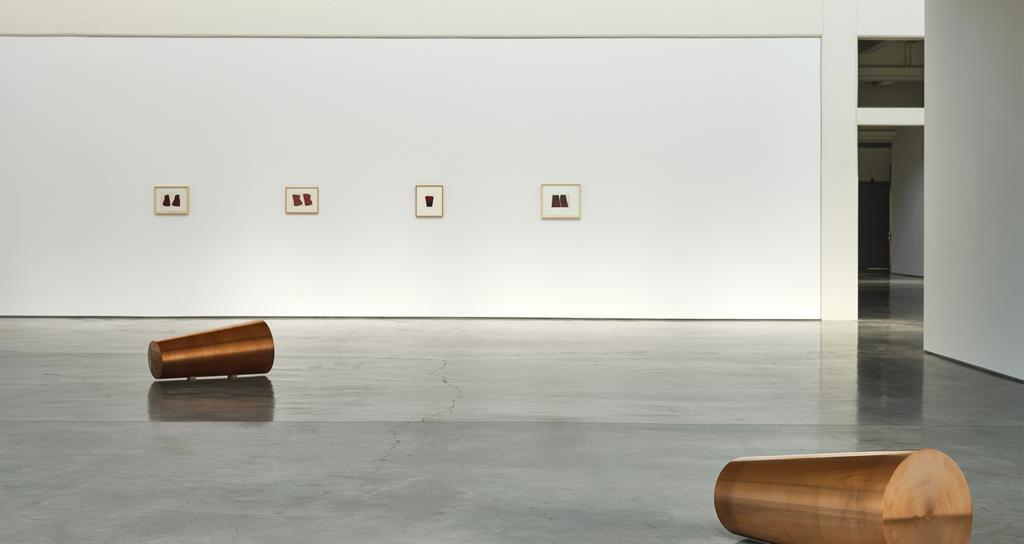 Copyright: Roni Horn, Post Work III, 1986–87. © Roni Horn. Photo by Alessandro Zambianchi, Milano, courtesy Panza Collection, Mendrisio
The pandemic triggered yet another exodus of entrepreneurs to the valley, bringing a new wave of creativity, networks and know-how to the idyllic landscape. The soul of this “rural Brooklyn” finds its expression in artists’ studios, craft collectives (River Valley Arts Collective, Art Omi), regenerative farming (Greig Farm), artisanal breweries (West Kill Supply, Plan Bee Farm Brewery) and farm-to-table restaurants helmed by former Michelin-minted chefs or rising culinary stars (The DeBruce, Cafe Mutton, Stissing House, Casa Susanna). The buzz has also spread to hotels, where a “cottagecore” subculture firmly anchored in modern times is taking shape.
The Six Bells, which bills itself as a “new old country inn”, is a perfect example. The historic building on Rosendale’s Main Street has been transformed into an 11-room, country-style hotel by entrepreneur Audrey Gelman, co-founder of the now-defunct women-centric co-working space The Wing. The first of a planned future collection, the hotel embodies all the rustic kitsch of the Six Bells homeware brand (which Gelman started in Brooklyn a few years ago) with an extra sprinkle of fairy dust. Arriving guests receive a mock “local newspaper” and a leatherbound book recounting the story of each room.
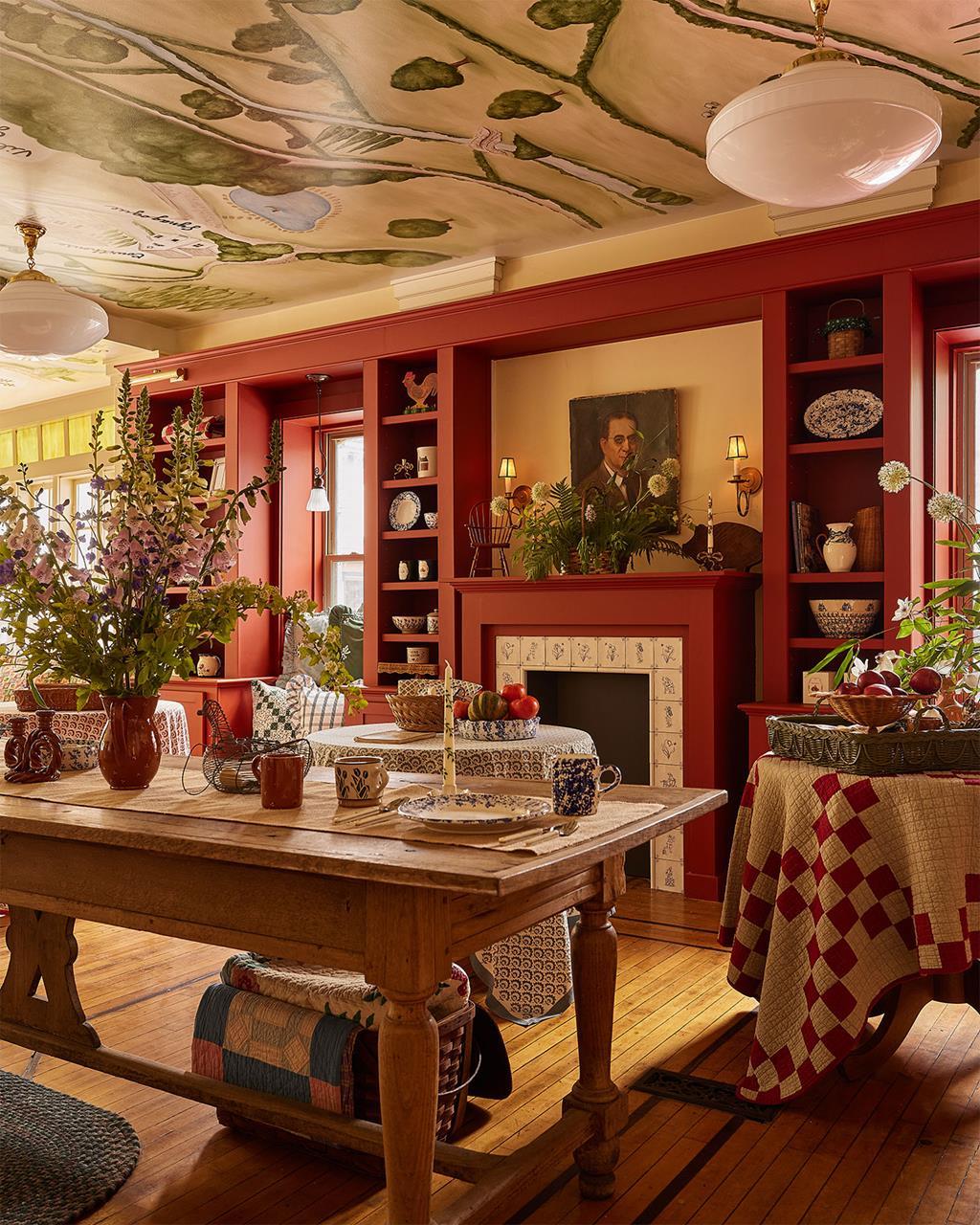 © Kate S. Jordan; Roni Horn
Meanwhile, in downtown Hudson, the 46-key Pocketbook is scheduled to open in October with a distinct industrial-chic ambience. The converted textile factory will house a restaurant; nightclub; gardening workshop; art, design and fashion boutiques; and restorative thermal baths.
Of course, the region’s verve has not gone unnoticed by international chains: burgeoning American hotel brand Auberge opened Wildflower Farms in Gardiner in 2022, and One&Only has recently announced plans for its first location in the area in 2028. Some are already predicting a “Hamptonisation” of the area, with skyrocketing property prices and a homogenisation of what’s on offer. For now, however, the Hudson Valley remains effervescent with vital energy – and now is the moment to enjoy it.
A Stopover in Kingston
 © Hotel Kinsley
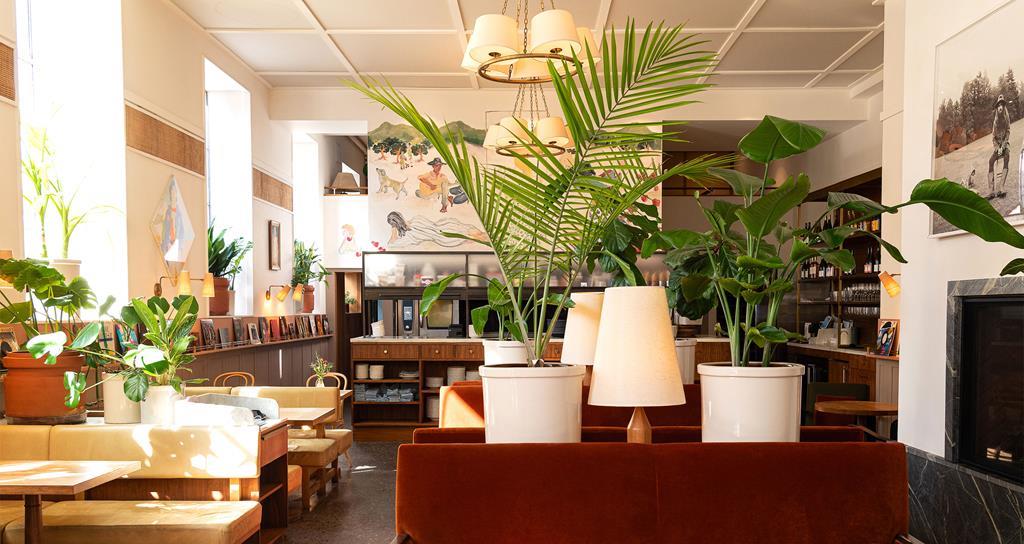
What if the history of New York State’s original capital was locked away in a bank vault? In Kingston – a major industrial hub in the 19th century, thanks to its convenient position for river transport – the old State Bank has been given a new lease of life as Hotel Kinsley. Its 2019 opening was a decisive moment for the town, taking it from pitstop for the Catskills-bound to a destination in its own right. The concept follows an albergo diffuso model, spreading its 42 rooms between four historic buildings in the Stockade District. Each has a personality of its own, but two stand out in particular: 41 Pearl Street, the former country retreat of the Republican Party, and 301 Wall Street, the flagship building, which houses a New American eatery and wood-panelled cocktail bar (the Kinsley Martini is a must-try). Behind its refined exterior, the Kinsley surprises with flashes of madness: the reception in the vault, corridors lined with checked carpet, artwork straight out of parallel worlds. There’s also Assembly, the newly added event space, which aims to host concerts, comedy shows and more in what was once a Catholic school. Everything is not as it seems…
Header image © Unsplash