In Perfect Balance
Forward-thinking safari lodges in and around South Africa’s Kruger National Park are shifting to focus on conservation, community and meaningful connection.

 Royal Malewane
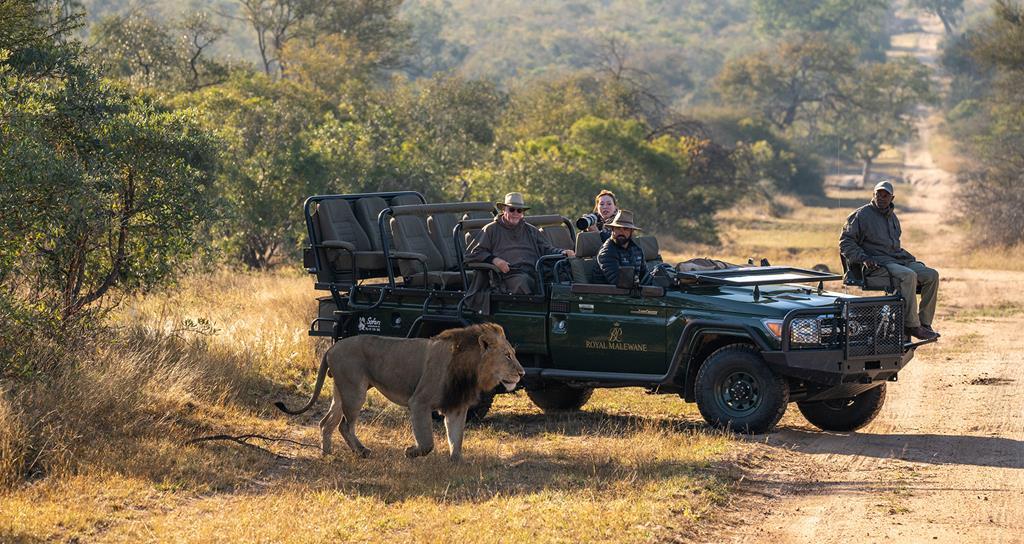
Everyone remembers their first safari. The wonder. The majesty. The humbling realisation that so few of the carefully cultivated skills of daily life back home are useful out in the bush. We bring back photos and memories and stories that may inspire others to go. But what, in the end, brings us back for our second or third safari – or our twentieth? This is the question that safari lodges across Africa are increasingly asking themselves. They have traditionally lured returning visitors by touting the opportunity of seeing animals or landscapes you may find nowhere else – or by showcasing the richness of local cultures. These tactics have been effective, up to a point, but a new generation of safari entrepreneurs is thinking more creatively. And nowhere is this innovation more evident than in and around the continent’s oldest safari-based national park, Kruger, in the northeast corner of South Africa. Kruger will turn 100 years old next year, and in many ways, it has never been more vibrant – especially in what is known as Greater Kruger, the park’s surrounding private reserves and territories where the animals are free to roam, but the general public is not.
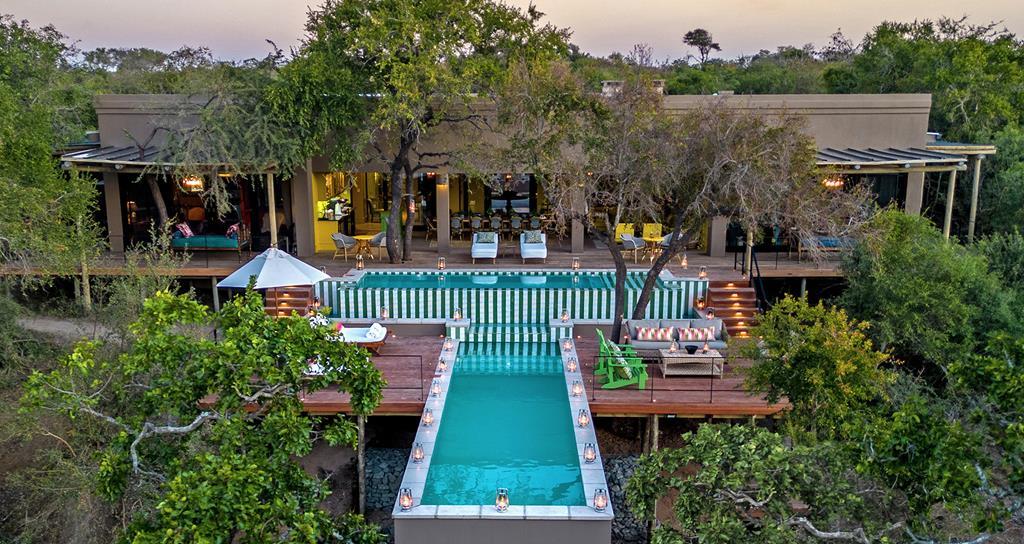
The most obviously tradition-breaking newcomer is Masiya’s Camp at Royal Malewane, which opened earlier this year with eye-popping pink tents. “We began the design process,” owner Liz Biden tells me, “and about half an hour into our meeting with the tent makers, I said, ‘If I see one more swatch of khaki, I’m walking out.’ I wanted to break the mould and do something bold, fun and completely different.” The new hue has ruffled more than a few feathers in the convention-bound world of safari purveyors – which is exactly the point. Another paradigm-changer is Cheetah Plains, which features just three villas equipped with thoroughly modern tech, as well as a signature diamond collection, an outpost of leading African art specialist Goodman Gallery and a well-equipped gym and a beauty salon … you get the idea. You’re in the outback, but you might also be on Bond Street or Fifth Avenue. Again, shocking for some yet dreamy for others.
 Royal Malewane
Or take a new destination a bit farther from Kruger: Few & Far Luvhondo, the brainchild of Sarah Dusek, who sold her North American travel venture, Under Canvas, for more than $100 million. The appeal here, in a truly remote locale, is spending time not just in the wilderness but with it. There are some animals to be seen, though many fewer than at traditional safari camps, and daily activities focus on really getting to know the place. “Travel isn’t a frivolous indulgence,” says Dusek. “It’s a vital act of connection.” To inspire visitors to risk the journey, she has devised a (temporary) business model that is exceptionally rare in luxury travel: pay what you can. Calling it “Nature Has No Price Tag”, she wants travellers (probably those not on their first safari, she says, but rather their third or fourth) to embrace the rewilding and conservation work they are doing on site as well as the integration of the local community. What are these new camps actually like to visit? Earlier this year, I dropped by two of the most interesting destinations in Greater Kruger – one on the western fringes and one on the east – to understand the new face of the evolving safari landscape.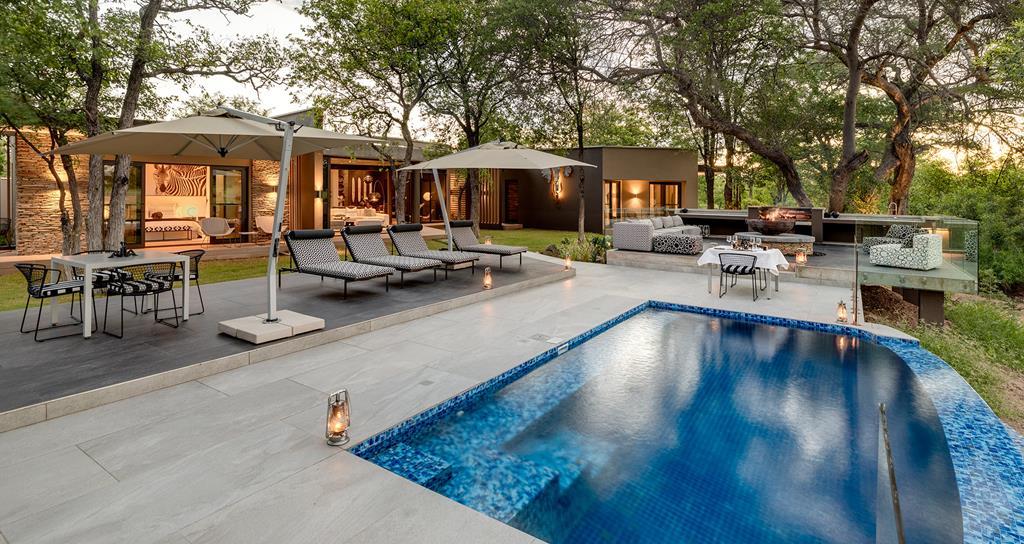 Kateka
The Newcomer
Kateka is brash in a way that very few places dare to be. Founder Joel Ospovat is a South African businessman who made his way to Texas, where he now lives, by way of English boarding schools, which he hated. The bush-meets-Lone Star vibe is in full effect at Kateka: rooms are just as wired as any five-star hotel in Dallas (the climate control, curtain control etc are sophisticated and seamless), and the decor makes great use of raw materials. When I described it to a safari-loving South African friend, she said, “Oh, that sounds terrible – I hate AC in the bush.” And I have the feeling that’s exactly the kind of response Ospovat is looking for. Like Cheetah Plains, Kateka is not aiming to be a camp where you breathe in the scents of the bush as you nod off: you will sleep as peacefully in the climate-controlled pavilions here as you do in any urban penthouse.
The wilds at Kateka are reserved for the daytime – and wild they are. The camp is set in the Klaserie, a relatively unknown section of Greater Kruger on the western edge of the territory. It’s not a long drive from Hoedspruit Airport, one of the park’s primary gateways, but Ospovat doesn’t envision this as a normal safari destination – when I arrived in May, workmen were painting the lines and numbers on Kateka’s private airstrip, enabling guests to make the journey straight to the hotel in maximum comfort. Privacy is part of the point of Kateka. It especially caters to groups that hire the whole property, and there’s also a large private villa on site that comes with its own chef, staff and vehicle (even if you’re not in the villa, opt for the private jeep – a tactic you should use at all safari lodges but especially here). Because the Klaserie remains so under the radar, it’s rare to come across other vehicles during your game drives. Across four drives in May, for instance, we saw just one other vehicle as we meandered through the dirt roads and paths that are home to all the Big Five – and much else besides. Our guide, Sean, was astonishingly at home in the bush, and was keen to point out the termite mounds, the birds, the vegetation that were all key features of the ecosystem – and equally keen, when we spotted a couple of adolescent rhinos, to spend 30 minutes sitting near them in silence.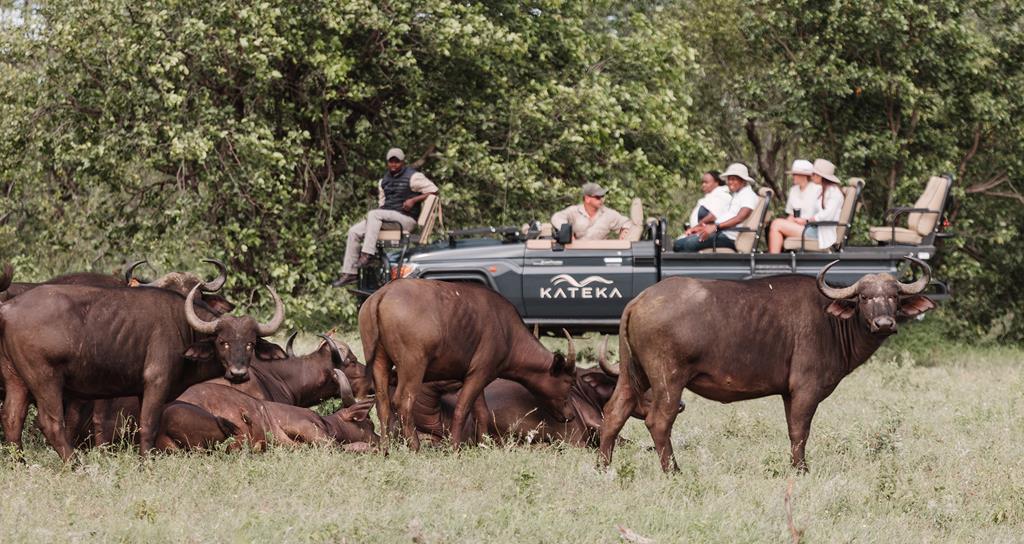 Kateka
These moments of serendipity are the magic of the bush, and there were many more at Kateka: the nursing giraffe and nursing zebra standing side by side. The elephants that came to the waterhole at the property just as we arrived. The leopard – an elusive creature we had been hoping to catch a glimpse of our entire stay – that, almost on cue, decided to join us on our last game drive. Wellness is another piece of the offering at Kateka – there are lovely experiences with great staff at a dedicated spa pavilion. Also excellent is the food, which caters to individual preferences in a way that’s difficult at larger resorts. It is a place where the people make the difference, no matter how iconoclastic many of the details are. Sean’s brother, Trevor, is the general manager, having been Ospovat’s regular guide at a nearby lodge before being lured away to open Kateka. The teamwork is seamless, and it’s hard not to feel like you’re in your own private slice of backcountry – enjoying all the benefits of a private lodge without sacrificing the amenities of a world-class hotel.
 Singita Lebombo
The Classic
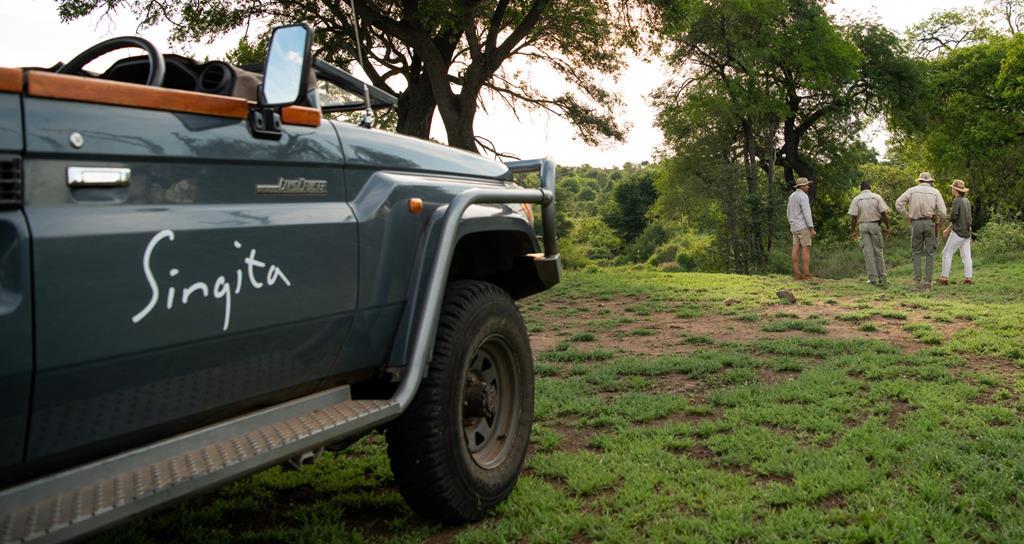
Singita Lebombo is the rare kind of destination that gets better over time. It was opened in 2001 by Luke Bailes, whose portfolio of top-of-the-line Singita properties, which he began building in 1993, now numbers 19 lodges and villas across four countries (Elela in Botswana will make it five next year). Lebombo was revolutionary from the start, with its sleek, glass-walled pavilions all boasting postcard-worthy views, but it’s the subtler, behind-the-scenes changes in recent years that earned it a spot on last year’s World’s 50 Best Hotels ranking, one of only two in Africa – and the only safari camp. The concept here, at first blush, blends equal parts elegant design, awe-inspiring nature and the friendliest hospitality. Professionalism is high, and every detail is accounted for. Your butler remembers your drink preferences instantly; everyone knows your name; and the plan for each day can be as fluid as your mood.
Lebombo has its own concession, so there are no non-Singita vehicles anywhere. Which means when you find one of the local lion prides, you can follow them for an hour without being interrupted, or sit alone with an extended elephant family as they bathe in the river that cuts through the property. Why not have sundowners one day on a hilltop along the Mozambique border (literally touching the fence), where the panorama is as spectacular as anywhere in Greater Kruger? As Lebombo has evolved, the focus has shifted away from guests in a few key respects, which, paradoxically, has made the guest experience even better. Luke Bailes has long said that Singita was a conservation venture first and a hospitality enterprise second; while this is factually true (his grandfather bought the land that became the brand’s first property in 1925), Luke’s son Jo Bailes, who is now CEO, has extended that mission further. The area has a history of poaching, and Singita has been combating the practice from the start, recently increasing funding for governmental patrols and also organising a host of anti-poaching programmes and research, from rhino dehorning to “vulture ambulances”. “Guests want to meaningfully connect,” says Chantelle Venter, who trains guides across the Singita properties. “We discovered that some guests really enjoy … maybe that’s not the right word … they embrace funding a rhino dehorning and then actually coming out in the helicopter to be there when it’s done. There are often lots of tears.” (Cutting the horn, which is primarily composed of keratin – the same protein found in human fingernails – makes the rhino unappealing for poachers, at least for the two years it takes to grow back.) 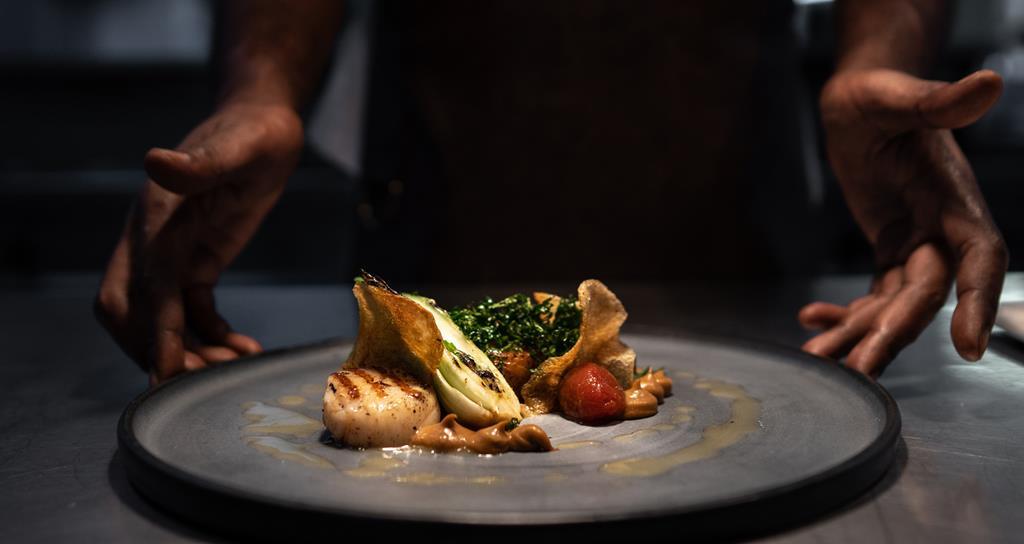 Singita Lebombo
Community is an equally important pillar of Singita’s approach. Its staff quarters are among the best, if not the best, in the industry. There are skill-development programmes available for all employees, including an on-site cooking school that has become internationally renowned. This year, there were 676 applicants for six spots. (The chef at Kateka is a graduate, one of 208 in the school’s history.) “Every staff member here supports ten to 20 people,” Venter explains. “Stability for them means stability for the whole team here – and that translates to a better guest experience because everyone is on the same page.” This consistency has extended to the guests now, too: “We get a lot of repeat visitors,” she beams. “From April to October, I might already know every guest I guide.” It’s easy to see why one might make a habit of coming to Lebombo. The family feeling that so many hospitality ventures strive for is a reality here, cultivated over decades. The first time, you come for the animals. The fifth time – or the twentieth – you’re here to be part of something special, a place where conservation and community are interlinked and poised to continue in harmony for many more decades.
Photos: © Royal Malewane, © KATEKA, ROSS COUPER,