Objects of Affection
There’s nothing quite like ceramics to evoke a particular time and place, and bespoke local pottery is playing an increasingly central role in marking our travels.

A snapshot of my family’s kitchen table is a window into a life travelled, recalling baggage clinking with spoils from artisanal makers and last-minute dashes to hotel boutiques to acquire that must-have mood-lifting centrepiece. There’s the jungle-green palm candle holder with ceramic unfurling fronds, a gift from designer Francis Sultana from Hotel La Palma in Capri, which brings smiles to any dinner party. Keys and change are kept in a La Mamounia dish emblazoned with an illustration of the hotel’s fortified entrance, reminding us of the orange-blossom-scented nights spent there in spring.
As the nights draw in, we place a flickering tea light in our beautiful Villa Bologna red angel candle holder replete with smiles and blonde plaits – not just for Christmas in our house. Drab lunches are at once elevated on the pink and green plates depicting a coral beach acquired in Bermuda from tropical-hued treasure trove The Island Shop. At Christmas time, our most prized pieces will come out – the delicate Ceramicando baubles handcrafted in Sicily, their pink brushstrokes with festive designs bringing an elegance to the tree. Every morning, we enjoy breakfast that little bit more on the cheerfully wonky Feldspar specimens that fill our kitchen cabinets. It is hard to count a trip where there hasn’t been a piece of delicately crafted earthenware or ceramics wrapped painstakingly and taken home in hand luggage. A memento, yes, but more often than not, it serves a purpose, too. 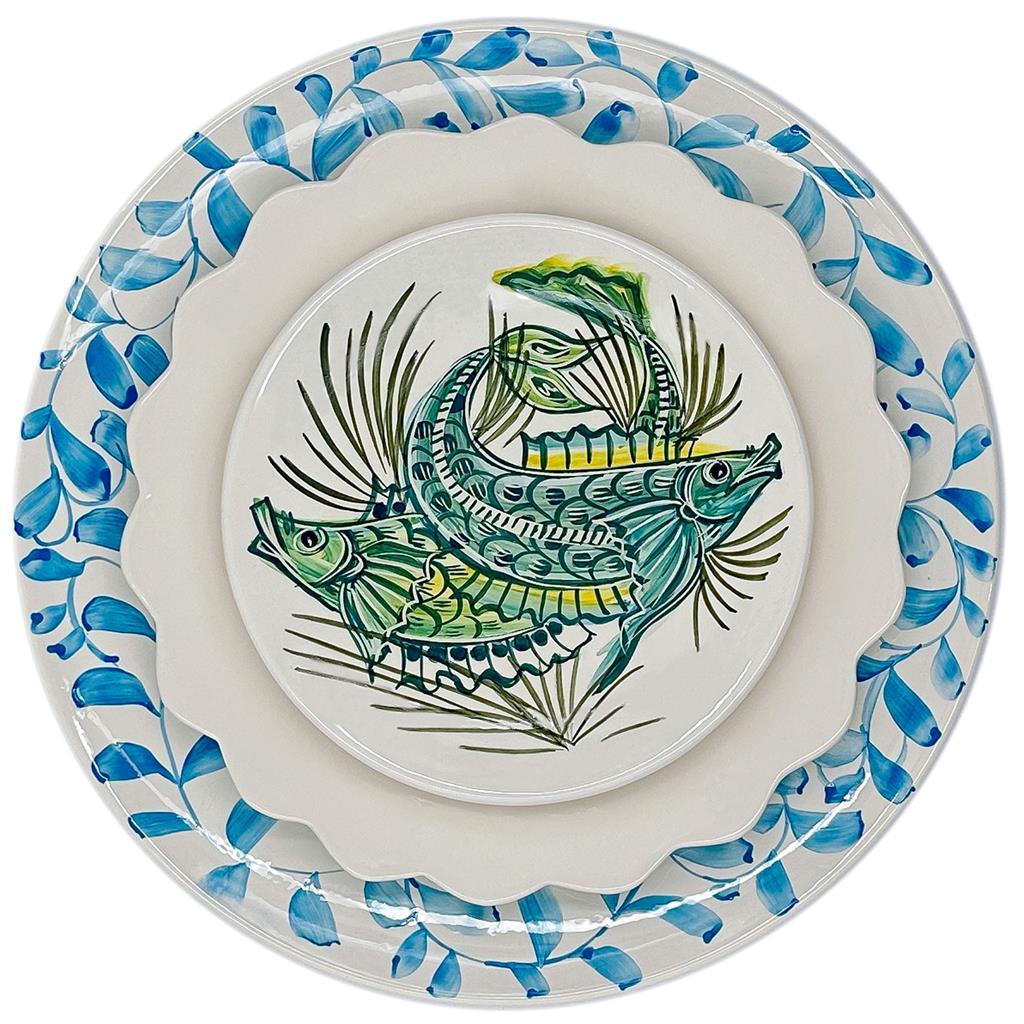 © Villa Bologna
Our most recent trip was to discover the hidden corners of Malta. On a cool, early-summer’s day, the gardens of Villa Bologna are plush with bougainvillaea and fragrant citrus. Through the green and white candy-striped awnings, there lies a bounty of rare artefacts – a boutique whose walls and shelves are lined with the most striking objects. The house is known for its playful, irreverent pieces, in particular the “Bath Soap Dishes” (with figures wallowing in ceramic baths) and the “Admiral” vases shaped like jolly-looking women, a take on ancient seafaring designs. Each is crafted by local artisans, inspired by Malta’s flora, fauna and coastal landscapes and defined by vibrant Mediterranean colours and motifs.
Villa Bologna Pottery began in the 1920s when Lady Strickland, the then chatelaine of the estate, set up a workshop in the gardens of Villa Bologna. At first, the pottery made tiles and architectural pieces for the villa itself, but before long, it grew into a full studio known for its bold hand-painted designs. Next spring, the owners will open a hotel nearby, whose rooms and dining salons will be furnished with the signature pottery.
“We’ve just finished a collaboration with Gavin Houghton, which has been such fun,” says Sophie Edwards, who heads up the pottery studio. “Gavin is an artist, decorator, tastemaker and ceramicist, and his bold, colourful patterns felt really in tune with Villa Bologna Pottery.” Next year, they have a number of projects lined up, including tableware with Tart London and a collection of lamps with Henri Fitzwilliam-Lay.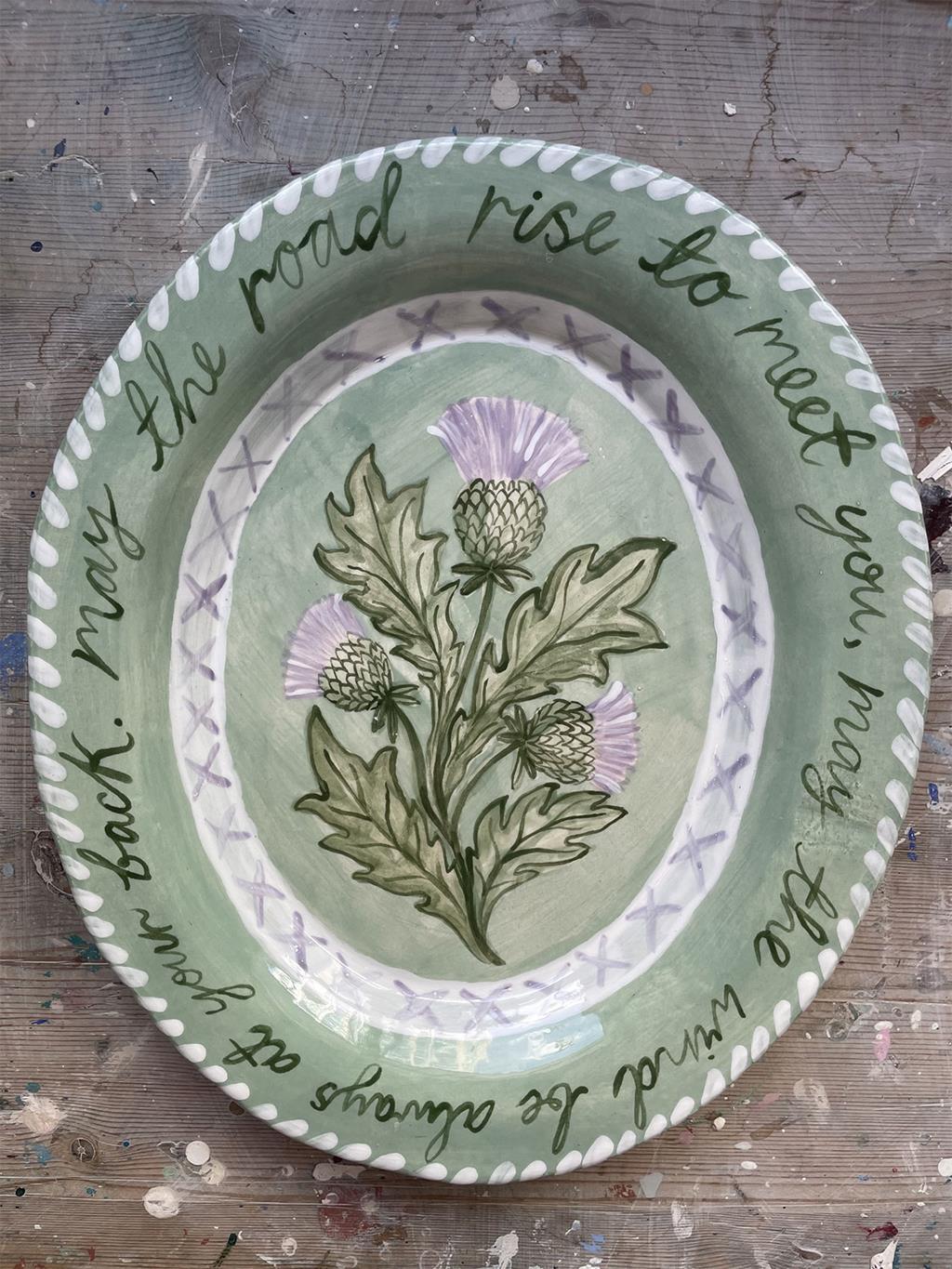 (Photo: the Fife Arms)
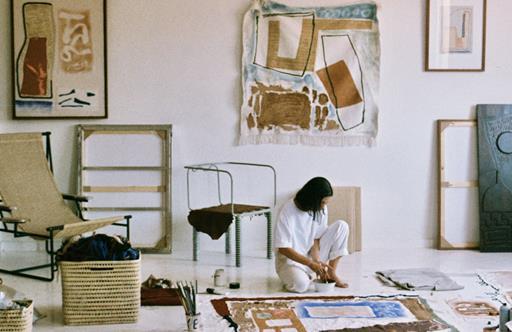
The wilds of Scotland form the inspiration for the painterly pieces of artist Sasha Compton for the Fife Arms in Braemar. She has created one-off platters all by hand (with prices in the mid- to high-£100s, these are intended more for display than everyday use), whose earthy strokes depict crofts, stags and thistles adorned with Celtic blessings.
“I call these ‘love platters to nature’, an appreciation of wildlife and Celtic heritage with a modern and playful perspective,” explains Compton. “Using one of the oldest sustainable materials derived from nature itself, clay, I wanted to hand-build a body of earthenware platters that are a love letter to craftsmanship and the importance of nature – in particular, special places like Braemar. Time spent outdoors in wildlife is so precious. I hope these artworks will encourage others to follow [in my] footsteps and get out into nature.”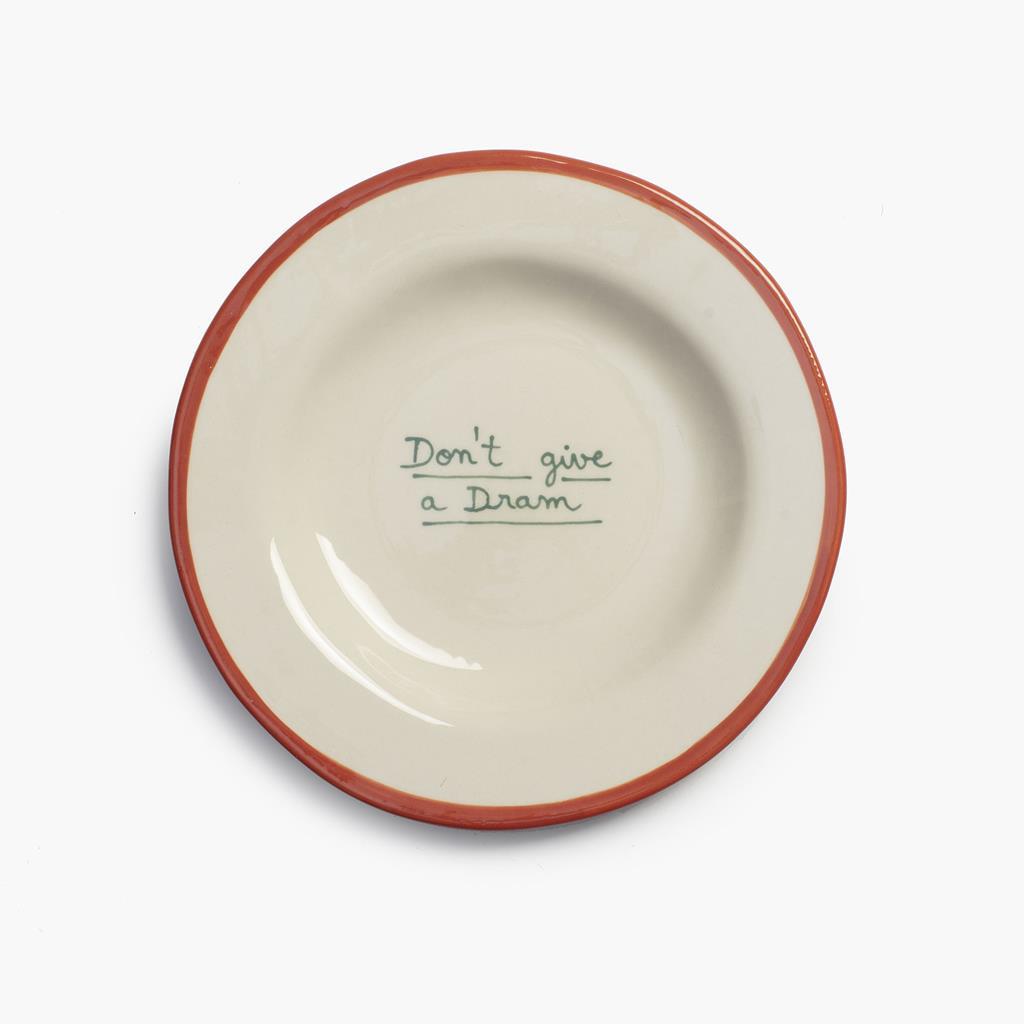 (Photo: Susie Lowe)
In terms of subject, Compton is drawn to traditional folklore or decorative art such as painted murals or details of Georgian architecture. “Picasso’s ceramics are full of life, especially his birds and fish. Grayson Perry is one of my all-time favourites. I look up to his work a lot, technically, but also aesthetically and conceptually. I always end up being drawn to ceramics when travelling. I feel they’re often objects that readily show a culture’s handwriting. I fell in love with the tiled Romanian fireplaces and folklore vases when I visited earlier this year – it’s amazing how many different voices can be expressed with clay.”
Head south through the Cairngorms and across the wild moors to expansive golf estate and spa Gleneagles, where you’ll find French designer Laetitia Rouget’s whimsical pieces referencing Caledonian fodder, sporting witty slogans such as “Whatever Floats Your Oats” and “Neeps and Tatties Keeps me Happy”. Also celebrating wilderness, ceramicist Elise Gettliffe’s works for Norden Camp in the rolling grasslands of the Tibetan Plateau echo vivid sacred architecture – the bowls are inscribed with flowers that are only revealed when the food has been eaten.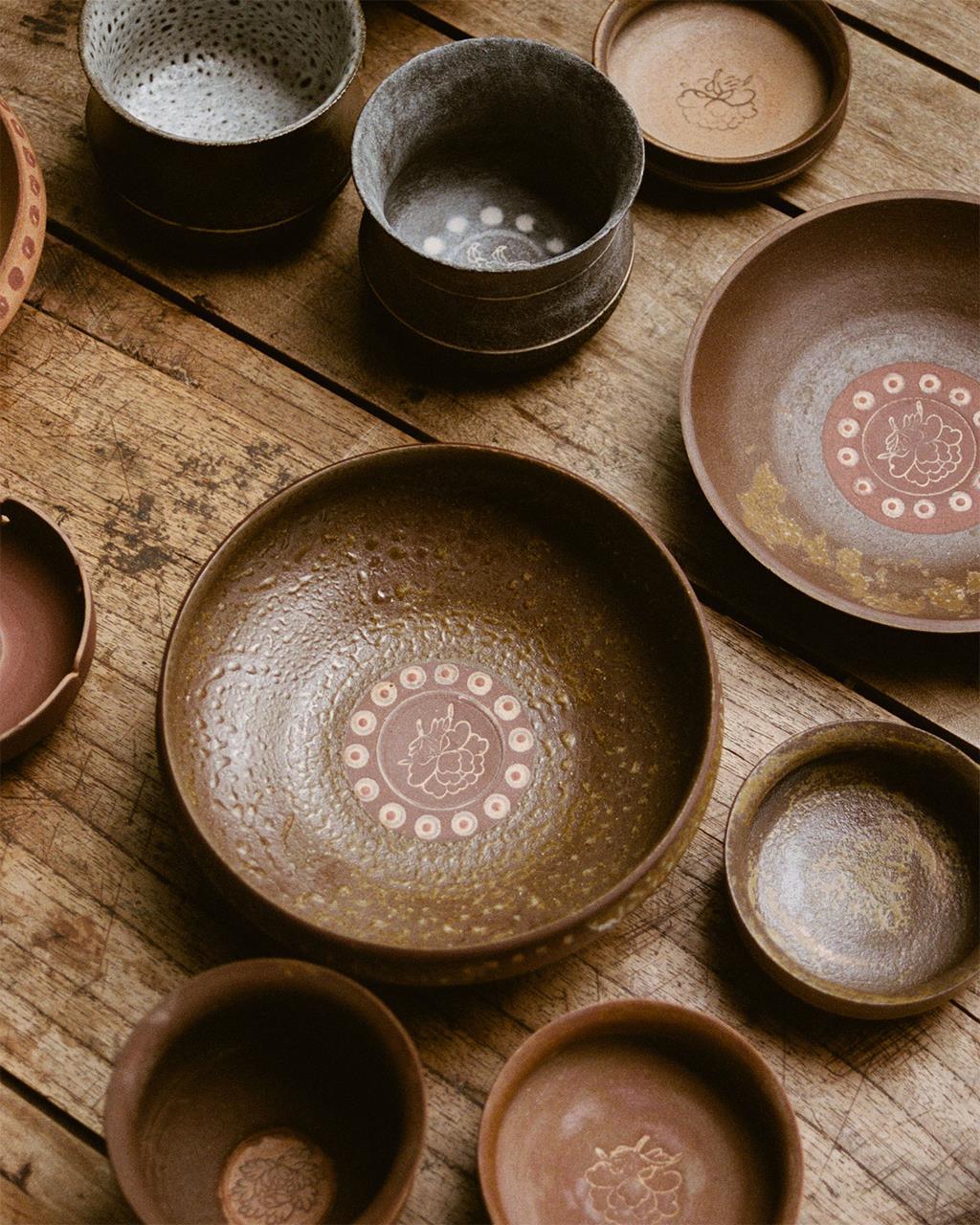 (Photo: Victor Rakosnik)
Italy’s rich history of ceramics is celebrated at some of its most illustrious hotels – from Amalfi gem Borgo Santandrea’s geometric tiles produced by artisans including Lucio Liguori, to Il Pellicano’s jaunty mimosa-striped glazed pelican change trays. At Passalacqua along Lake Como, the elegant amber- and white-striped Striche tea set was inspired by a geometric pattern in green and gold designed by Geminiano Cozzi in 1770.
At some hostelries, guests are encouraged to be part of the making process. At the 13th-century château Domaine des Etangs, the Auberge Collection hotel has partnered with porcelain maker Bernardaud in nearby Limoges to bring the local artisanship to life, a programme that includes trips to the factory where you can buy the elaborate pieces, including an exclusive collaboration with the hotel. 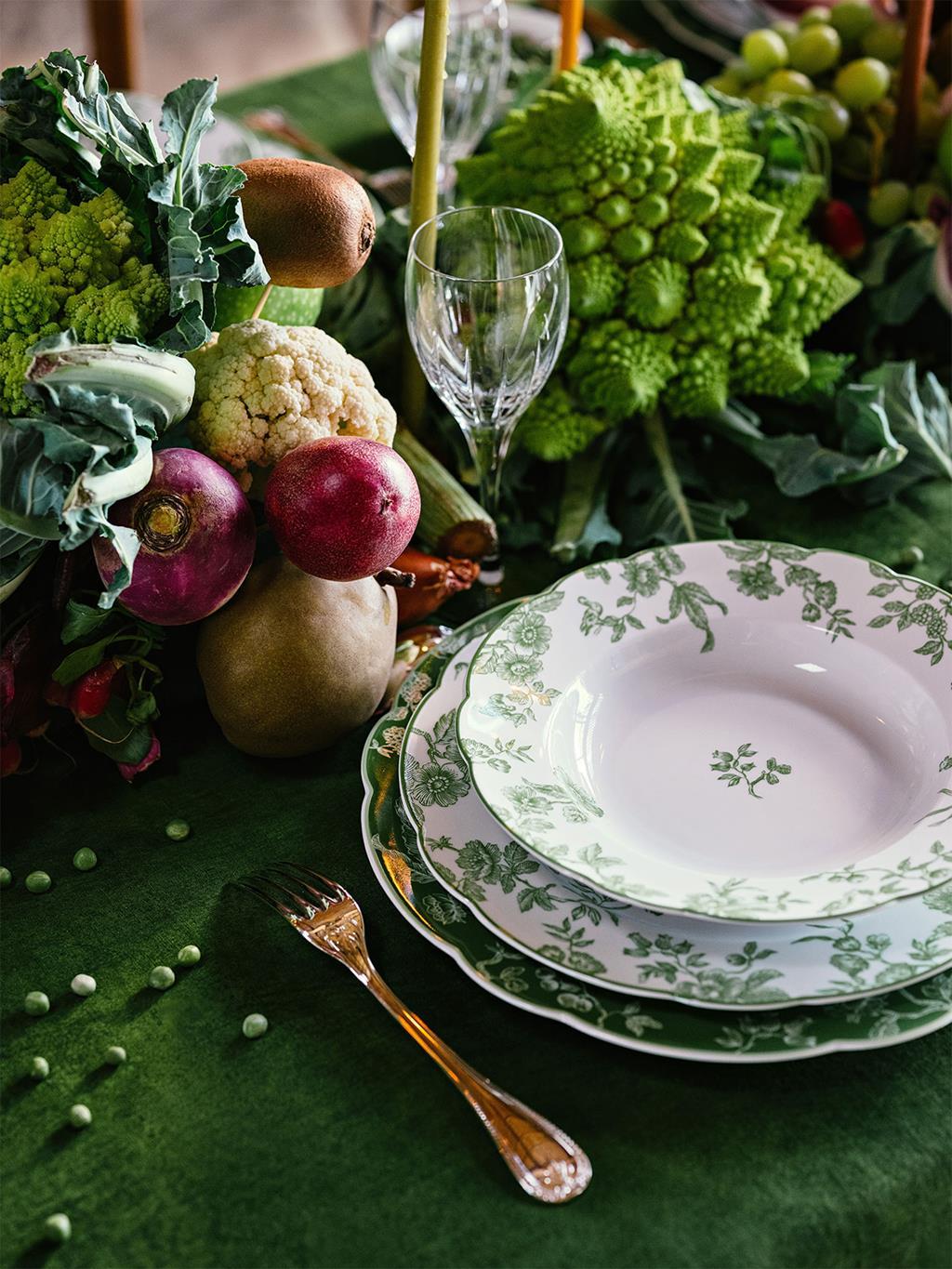 (photo: Franck Juery)
At Eriro, a nine-suite sanctuary high in the Austrian Alps, guests can make their way to a crafting floor to shape their own ceramics following whatever whimsy they desire. And overlooking Rwanda’s Volcanoes National Park, Singita Kwitonda Lodge’s pottery studio offers a space for creative outlet, with guests invited to paint brightly hued bisque pieces for the home.
Ceramics can raise a smile on a rainy day, believes Sasha Compton: “They can uplift the mood by seeing a snippet of someone else’s passion, way of thinking and making. The ability to be transported into the artist’s world is exciting. Perhaps there is a painting or ceramic piece that reminds you of your own memories, or is so wonderfully wonky that it reminds you to not try to be perfect the whole time? With hand-built ceramics, I enjoy seeing the imperfections and marks of the maker, the human element of craftsmanship in a digital era.”
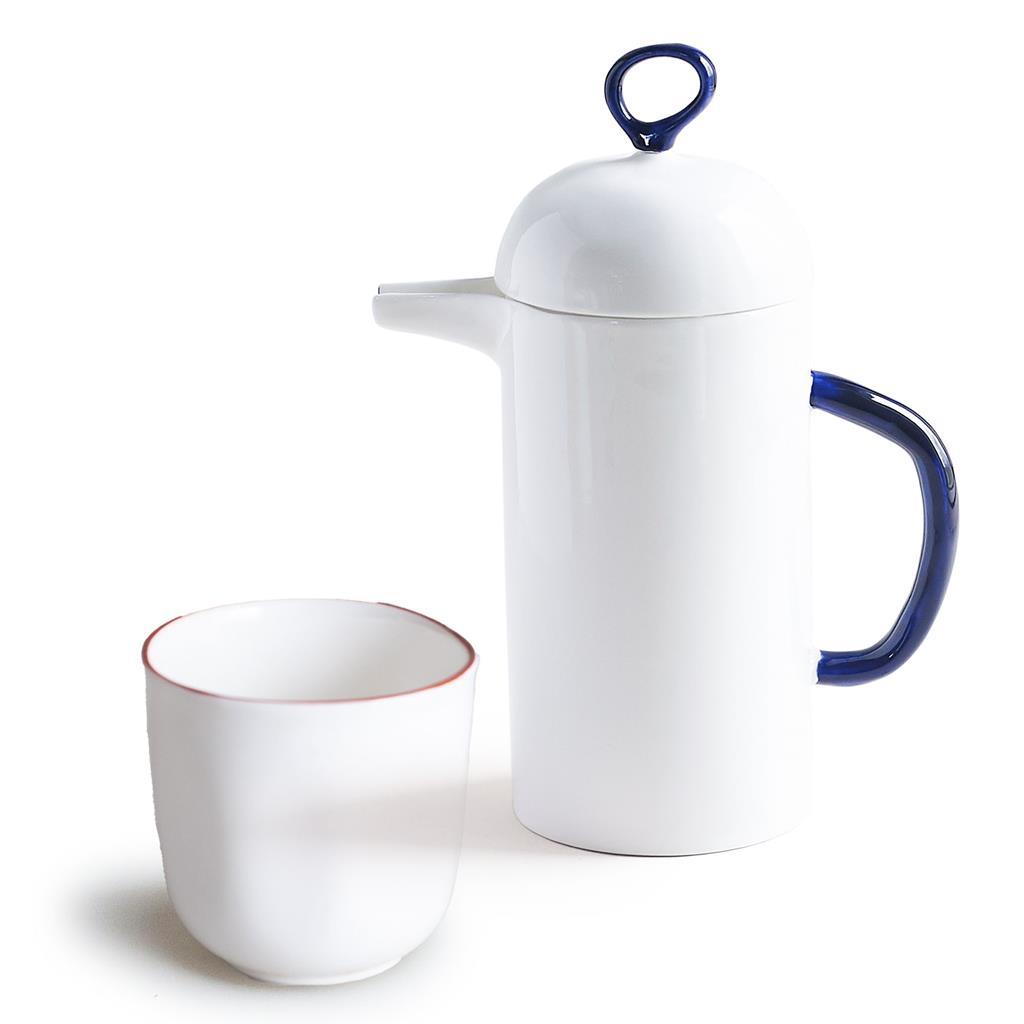
For Cath Brown, co-founder of Feldspar, who created a whole range of surrealist teapots, they simply elevate everyday life: “They are vessels for joy.”
 © Feldspar