Can Ageing Wait?
From futuristic hotels to family resorts, longevity has asserted itself as the new buzzword that unites the worlds of wellbeing and hospitality – and it’s a scientific battle that is still far from over.

Defy ageing. Lower your biological age. Turn back the clock. These phrases could be slogans for beauty brands or cosmetic surgery clinics, but, in fact, they all come from websites in a decidedly more unexpected sector: the hotel industry. Over the past five years, many a luxury escape’s promise of a gourmet dinner with your feet in the sand or a poolside cocktail seems to have been superseded by a much more appealing idea: that of a long and healthy life. By 2050, the number of people reaching 100 is expected to increase eightfold to 3.7 million, and half of today’s eight-year-olds are expected to survive a century. A veritable longevity revolution is underway, and – to borrow a phrase from the United Nations – everyone wants a piece of the pie.
While there is a tendency to simplify matters by attributing this boom in health spending to the post-Covid era, the quest for a longer, healthier life is nothing new. A decade ago, biohacking was already enticing geeks and tech bros in Silicon Valley, who were experimenting by injecting themselves with all kinds of substances. Their aim was to hack their biology and environment in order to optimise their abilities and push the limits of the human body. These pioneers played a major role in generating knowledge and tools, but the field has matured, and the microcosm has evolved in record time into a mainstream topic.
“The wave of acceleration has been unprecedented over the last two years, thanks in particular to the virality of content on social media shared by those known as ‘TikTok doctors’,” says Chloé de Ruffray, a “cultural foresight” consultant and cofounder of the Longevity Culture Club, a private circle that brings together visionaries from various sectors – from biotechnology and health care to finance, hospitality and media – to consider the concept in all its dimensions. “Longevity has entered the home, and women have embraced the subject, with a focus on self-exploration and personal development, in contrast to alpha males in pursuit of performance,” she adds. Indeed, gone are the days of dubious injections – today, it’s all about sleep, nutrition, light and movement. A preventive and integrative approach to health is essential in our ageing societies, where we can no longer afford to consider cognitive or physiological decline as inevitable.
A collective preoccupation that goes beyond the simple notion of wellbeing, the modern-era pursuit of longevity is a hotbed of paradoxes. As the concept has become more popular, many brands have recognised its economic potential – opening the door to all kinds of abuse. The hospitality sector has not escaped this trend, with many hoteliers positioning themselves as specialists in the topic. Among the offerings available to travellers seeking rejuvenation, two camps are facing off.
On one side are the establishments that have staked everything on technology: those which offer batteries of tests with complex names, endless metric analyses and therapies at prices that sometimes defy belief. Like holidays à la Bryan Johnson, the billionaire who turned his body into a testing ground (see his Netflix documentary, Don’t Die). On the other side, there are those resorts and hotels inspired by the pleasant idea of “Blue Zones”, geographical regions where inhabitants live longer and healthier lives than average. This concept is as desirable as it is contested by the scientific community, which often cites the problem of lax record-keeping in the areas in question. Unlike the first movement, this latter approach favours a fantasy of “à la carte” longevity, with treatments centred on relaxation and menus inspired by the Mediterranean diet – and washed down by a few glasses of wine – without constraints or restrictions.
What these approaches have in common is well-marketed concepts, with names that are often vague or difficult to understand. “Complexity creates authority. Scientific jargon is synonymous with exclusivity and added value, which helps to sell packages and justify prices – even if it spreads confusion and inaccessibility for the general public,” explains Oskar Moore, director of subsidiaries at Nordic Group – a family office specialising in longevity-related investments – and an entrepreneur in the field.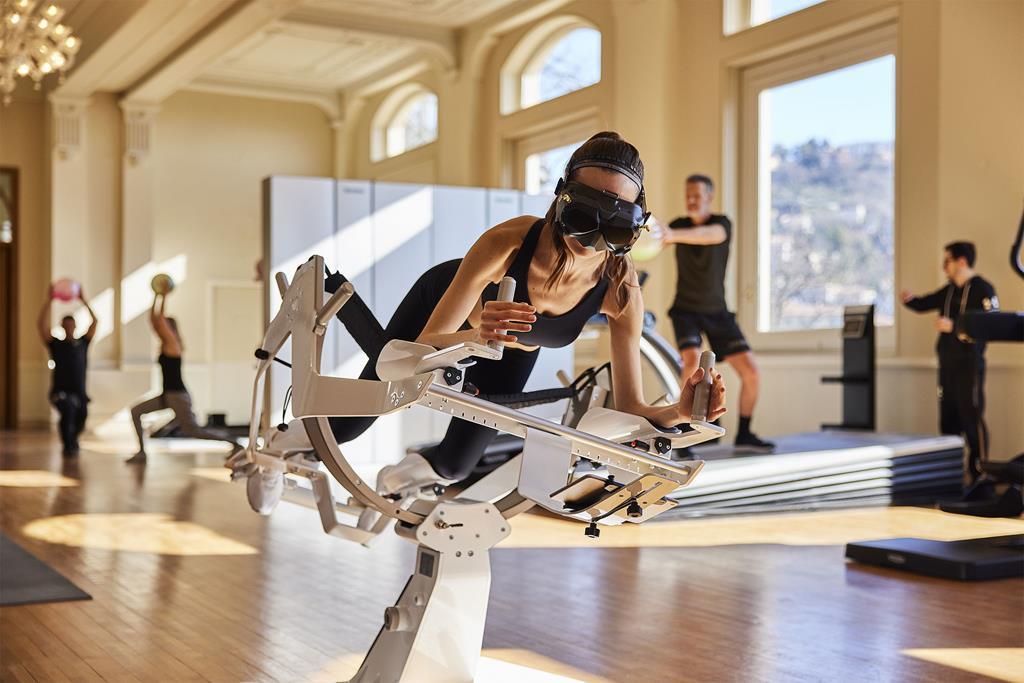
From a hotelier’s perspective, the financial appeal is obvious. Although investment in machinery and equipment is sometimes necessary, longevity protocols are a very powerful lever for increasing the length of stays and the average customer spend. These programmes generally require follow-up – a considerable asset for customer loyalty and brand attachment, particularly among younger generations. For resorts or seaside hotels, which are heavily affected by the seasonality of a destination, this health angle is also a great pretext for increasing occupancy during the off season.
In Moore’s view, the reason this formula works is because of its apparent simplicity. “Wellness consumers want quick solutions,” Moore points out. “A retreat, however short, can feel like pressing a reset button and provides a sense of hope or an illusion of control.” What better time than a holiday to reset the clock, start afresh on a healthy footing and commit to a new lifestyle routine?
While the “good resolutions” effect is real, the benefits of these two-day or two-week protocols remain difficult to measure. “One thing is certain: you don’t get any younger in 72 hours,” jokes Dr Guénolé Addor, a specialist in evidence-based anti-ageing medicine and longevity protocols. He explains that most hotels are going all out with therapies developed from studies on stem cells, exosomes, dietary supplements, biomolecules and more. “The problem is that it’s almost impossible to do studies on humans these days because there are too many external factors. These tests are therefore carried out in vitro or on animals, and the effectiveness of a treatment is then extrapolated based on mice living three weeks longer. This may be enough for influencers or marketers, but it’s unacceptable for a scientist,” concludes the Swiss specialist.
In Addor’s eyes, the important thing is to understand the metabolic markers in blood (such as the C-reactive protein, an indicator of inflammation), which is an essential basis for creating such programmes. The real value comes from analysing these markers over months and years through regular long-term monitoring rather than just a phone call six months after the stay. “These wellness hubs have the advantage of being equipped with facilities that most holidaymakers do not have access to at home,” notes Dr Addor. “The only way to take advantage of this is to leave with your analysis results and the tools you need to know to adjust your lifestyle when you return to your daily routine. Massages and therapies that cost a fortune without knowing exactly what you’re trying to correct or without a defined goal are just smoke and mirrors.”
For Dr Christophe de Jaeger, president of the European Institute of Longevity and author of numerous books on the subject, this type of overzealous marketing by certain hotel groups does have one benefit: it encourages a generation of thirtysomethings to take an interest in their health, which is the optimal age for prevention. “There is a real trend among young people to seek out extremely high-quality care. They’re no fools, but they appreciate this ‘lifestyle’ approach to health,” he points out. While Swiss and German clinics (La Prairie, Buchinger Wilhelmi et al) have been experts in the field for nearly a century without even using the word “longevity”, new players have shaken up the industry with more contemporary themes including sexual wellbeing, mental health, productivity, anti-burnout, menstrual cycles and more, attracting a younger clientele who understand the need to invest in their health. “A few days’ treatment rarely has lasting effects. But informed holidaymakers tend to use it as a springboard before looking elsewhere for serious answers tailored to their new and legitimate concerns,” affirms Dr de Jaeger.
“The social value of this type of holiday should also be taken into account, as it represents a new layer of identity. It clearly means: ‘Yes, I have the time, the luxury and the cognitive abilities to be able to take care of myself,’” adds de Ruffray. “But longevity is not a fad reserved for a privileged few. It’s a societal issue, a new paradigm. In a few years’ time, we can imagine it becoming standard medical practice. We will optimise our interiors and wear functional clothing, such as Coperni’s probiotic garments.” For Dr Addor, criticism decrying the movement as elitist is unfounded. “Eating less, exercising, spending time in nature and getting enough sleep only require determination. But having a six-pack at 45 can be harder than having millions in the bank,” he quips.
Today, longevity is as frightening as it is fascinating. Do we really want to know everything about our bodies? Do we still have the right not to want to live a long life? To have a lifestyle that is not optimised? “The conquest of the body and its biology is one of the last frontiers to be conquered – an anchor when the world is falling apart and everything seems chaotic,” says Oskar Moore. Perhaps, in the end, longevity is a sort of mirror of today’s society – obsessed with control and terrified of impermanence. But in our quest to control life, we must be careful not to forget to live it.
Leaders in Longevity
Behind the promises of eternal youth lie genuinely effective approaches to increasing one’s lifespan. Herewith, five places that take longevity seriously – without promising miracles.
Palazzo Fiuggi, Italy
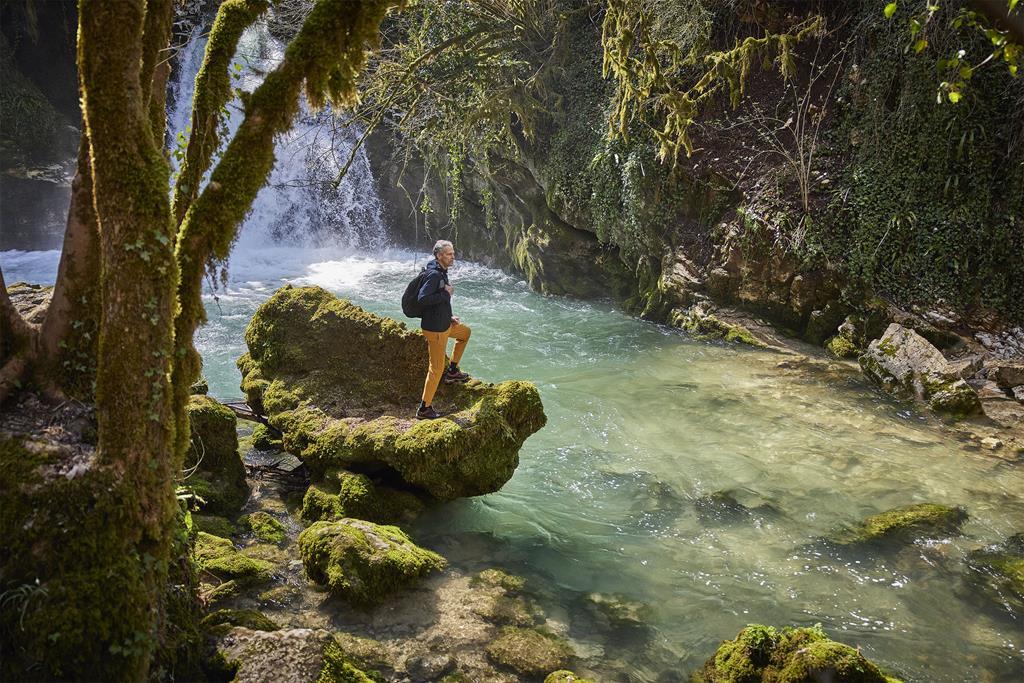
Opened in 1913 just southeast of Rome, this sumptuous palace has undergone a facelift, offering shorter, more adaptable programmes than traditional thermal baths. At the heart of it all, the Longevity programme is founded on tailored medical advice, regular physical activity and a balanced diet under the guidance of three-Michelin-starred chef Heinz Beck. For the more contemplative, the Hiking for Longevity programme (three to six nights) combines mindful hiking in the Apennines, biomechanical assessment and the development of a targeted plan for muscle development and inflammation reduction – two essential elements for a healthy life.
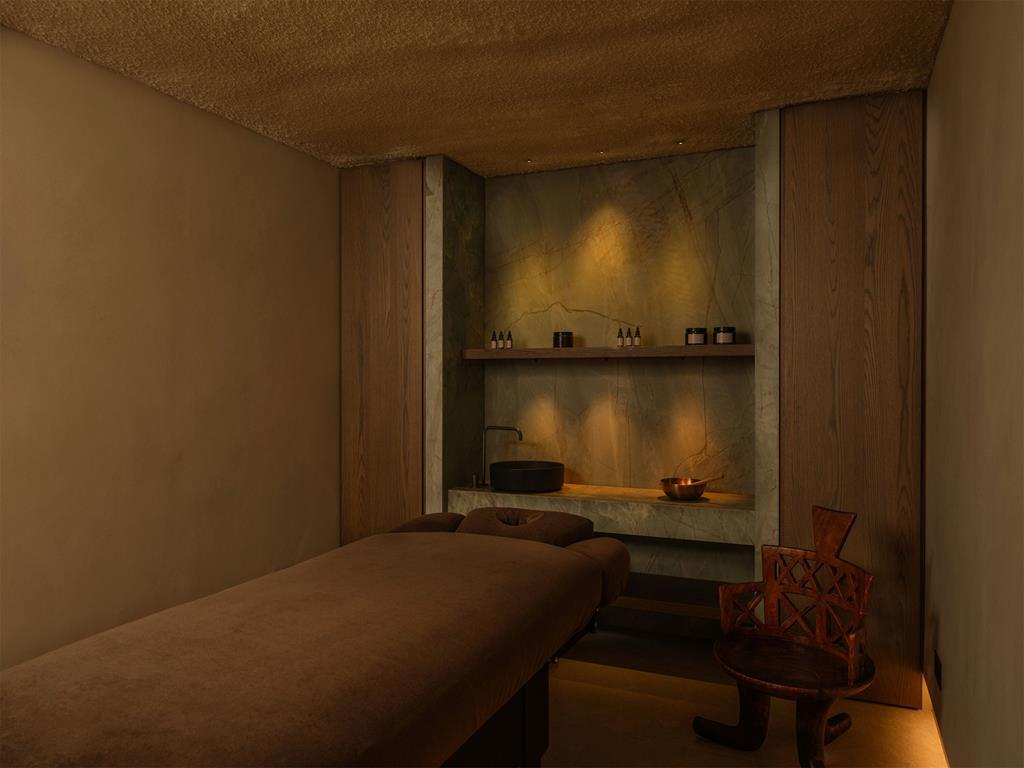
This design-forward resort in Mirabello Bay, in the northeastern reaches of the island, draws its inspiration from water, the original source of life and symbol of transformation. Minos’s Nao Method (from the ancient Greek word for “flow”) is rooted in four fundamental pillars: nutrition, movement, sleep and self-mastery. Combined in programmes lasting from one to 14 days, they act on all components of age-related decline, as defined by the 12 markers of ageing.
The St Regis Bangkok, Thailand
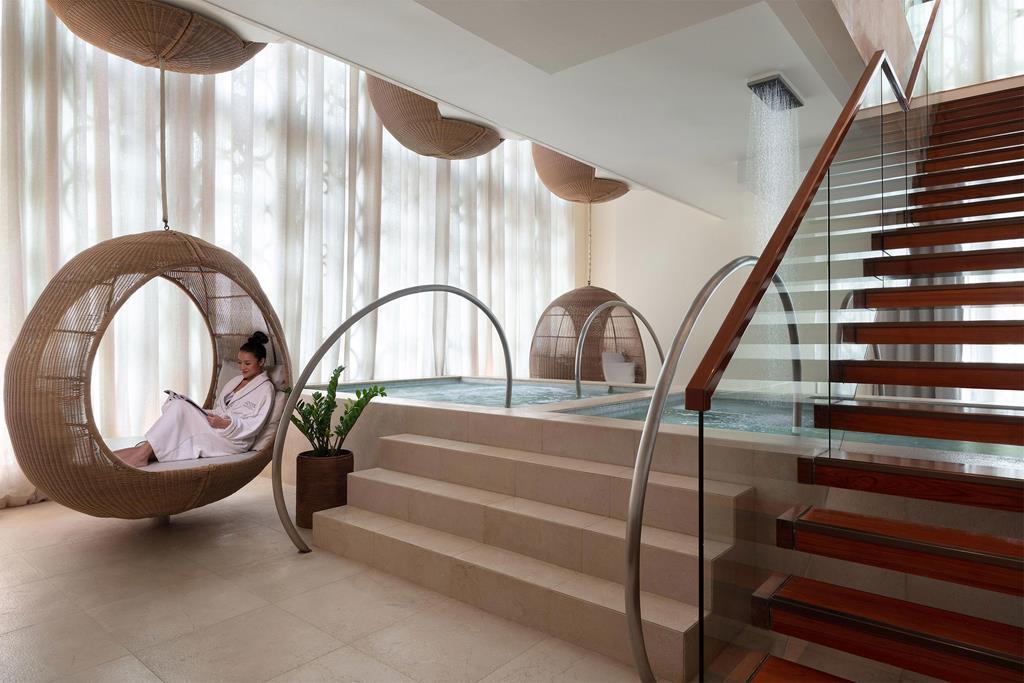
On the skyscraper’s 15th floor, the first Longevity Hub by Clinique La Prairie in Southeast Asia marks the meeting of modern science and expertise acquired over time. A pioneer of preventive medicine since 1931, the Swiss centre deploys its hyper-personalised protocols focused on longevity, wellbeing and medical aesthetics. Each journey in this ultra-modern sanctuary begins with a consultation to establish a health profile, followed by a care plan that integrates nutrition, cutting-edge technologies and medical monitoring.
Four Seasons Resort Maui at Wailea, Hawaii
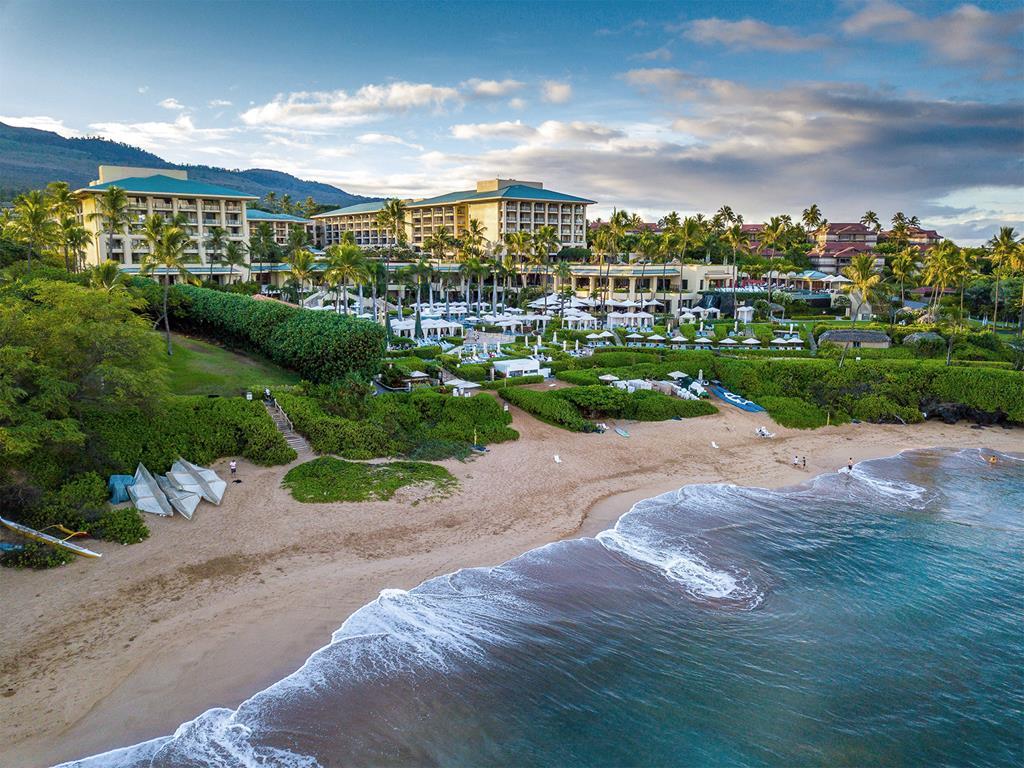
At this seaside escape on Maui, longevity protocols take on the allure of rejuvenation therapy. Thanks to a collaboration with Next|Health clinics, the establishment offers advanced treatments, including cellular and exosome therapies. For the less adventurous, more accessible tests are also available à la carte: micronutrients, heavy metals, gluten sensitivity, microbiota, cancer screening (using tools from the start-up Grail), vitamin shots, mineral and antioxidant IVs, and more.
Six Senses Ibiza, Spain
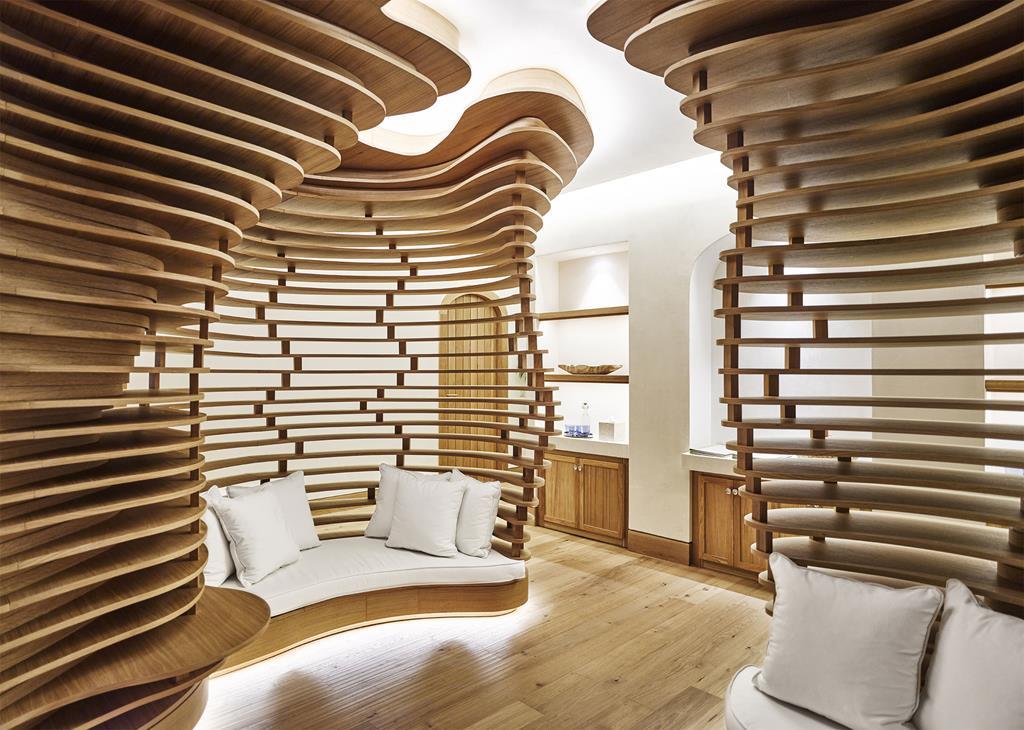
Designed in the style of a private club, RoseBar stands out like a UFO against the crystalline waters of the Balearics’ legendary party spot. Under the direction of Dr Mark Hyman, this 500sq m facility offers advanced diagnostics and ultra-personalised support, bringing together the latest expertise and biohacking tools, including a sauna, hyperbaric chamber, cold plunge, photobiomodulation area, full-body cryotherapy centre, IV infusion station and more … Better than any nightclub for recapturing that feeling of youth.
Images: Bluegr Hotels & Resorts, Tyson Sadlo, Six Senses, Marriott International, Four seasons