State of the Art
Change in the art world is taking the form of digital museums, global restitution and a new canon.

Art institutions around the globe are rewriting the canon with groundbreaking exhibitions – and also rethinking rightful ownership. Herewith, a shortlist of the most notable happenings across the art world.
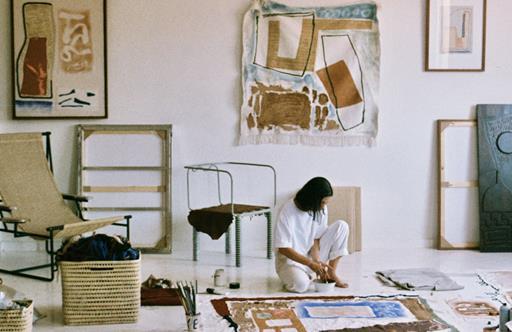
Aboriginal Outlooks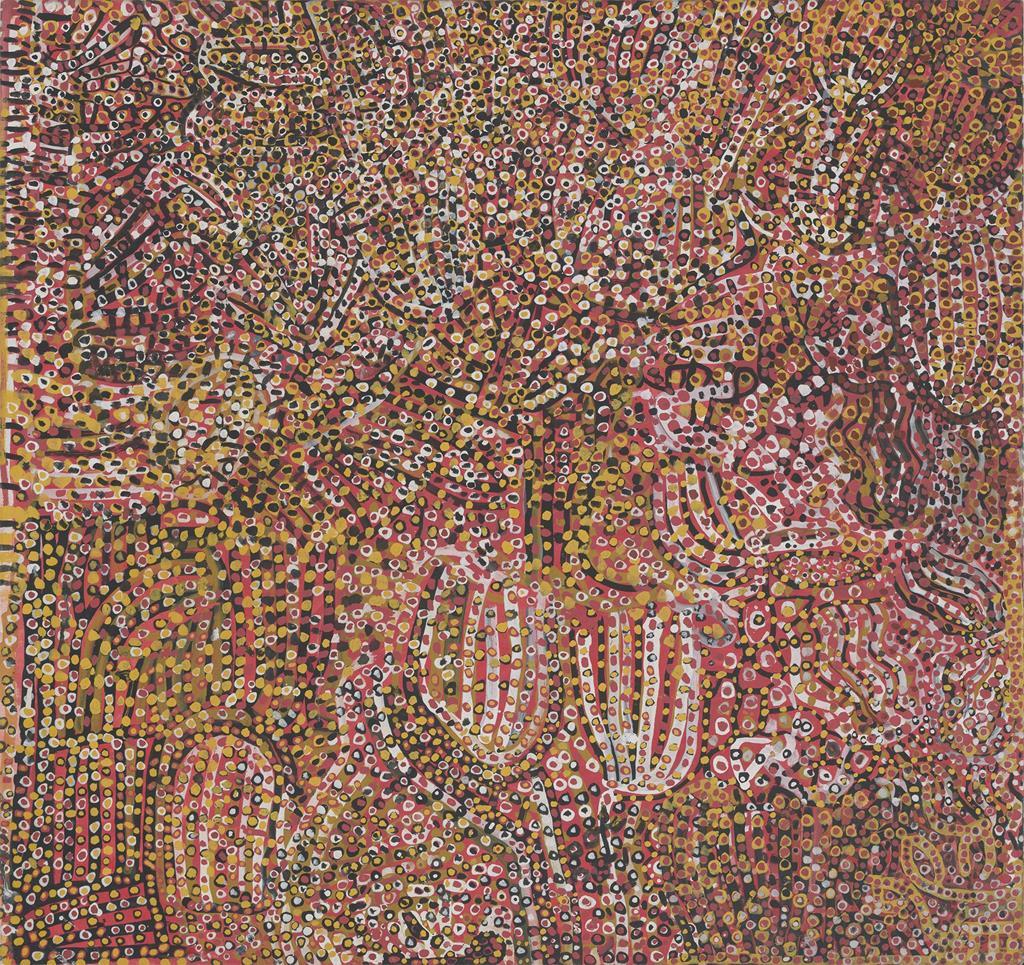 Late Aboriginal Australian painter Emily Kam Kngwarray’s Ntang Dreaming, 1989 (© Emily Kam Kngwarry. Licensed by DACS 2025)
Exhibitions of Indigenous Australian art are everywhere in the year to come, with major shows across four continents. The biggest show of all, The Stars We Do Not See, is organised by the National Gallery of Victoria but is touring North America, starting at the National Gallery of Art in Washington, DC (until 1 March), before heading to Denver, Portland, Boston and Toronto. In Europe, a blockbuster exhibition at Tate Modern in London has introduced Emily Kam Kngwarray to the continent through a massive retrospective (until 11 January). Meanwhile, in Asia, Songlines: Tracking the Seven Sisters showcases five First Nations songlines with more than 300 works in Beijing at the National Museum of China (from November 2026). Finally, in Australia, the fifth edition of the National Indigenous Art Triennial (until 26 April) will feature 10 specially commissioned installations in Canberra and, later, travel nationally.
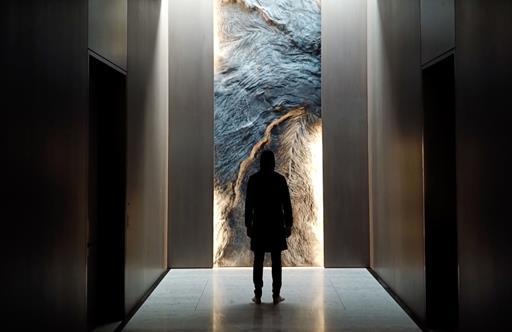
Screen Time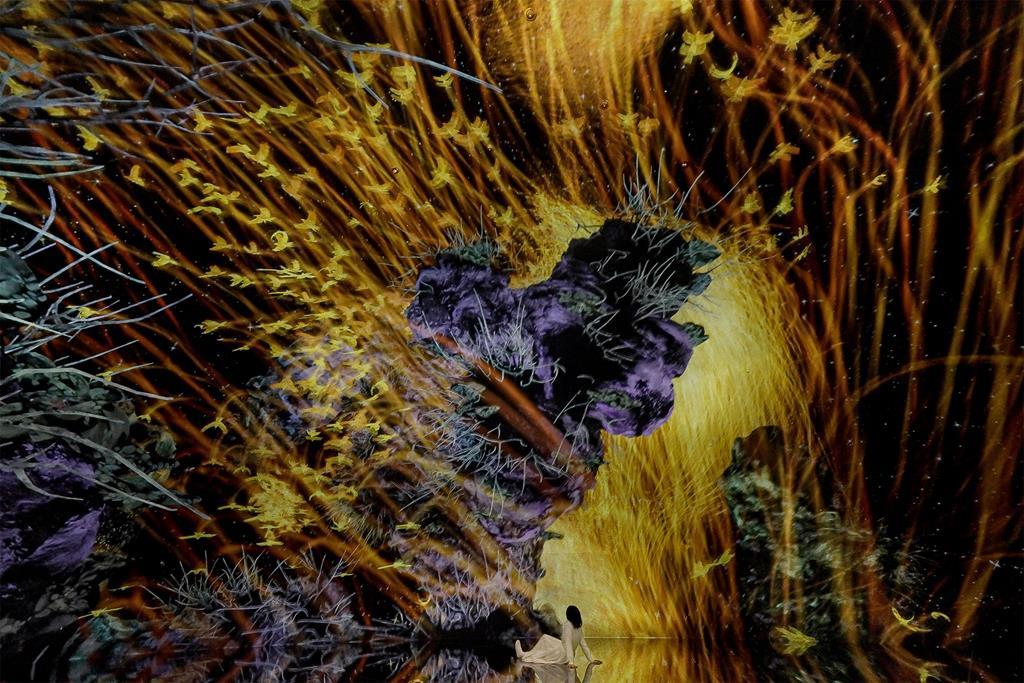 The Way of Birds, a mind-bending digital installation at the new TeamLab Biovortex Kyoto (© teamLab)
There is no stopping the behemoth that is digital art, a genre that’s no longer just a buzzword but a fully fledged category with its own dedicated galleries and museums. To wit, international art collective TeamLab will hold its largest European exhibition at the forthcoming UBS Digital Art Museum in Hamburg, hot on the heels of its latest Japanese debut, TeamLab Biovortex Kyoto, which combines experiential moments with astonishing digital components. Another museum of digital art opening soon, Dataland is a Los Angeles-based repository of AI arts and what curators call the “digital ecosystem” – a project spearheadedby leading AI artist Refik Anadol. Not to be outdone, Saudi Arabia has also recently opened Diriyah Art Futures, a sprawling complex of buildings outside Riyadh that will house programmes and exhibitions that involve digital art.
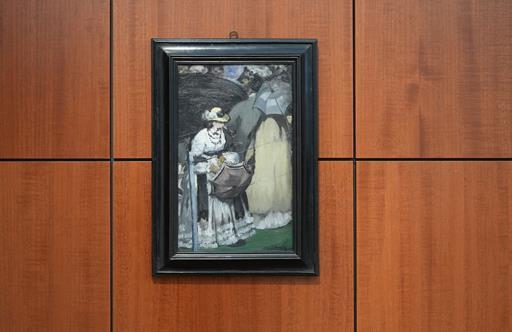
Ownership Reconsidered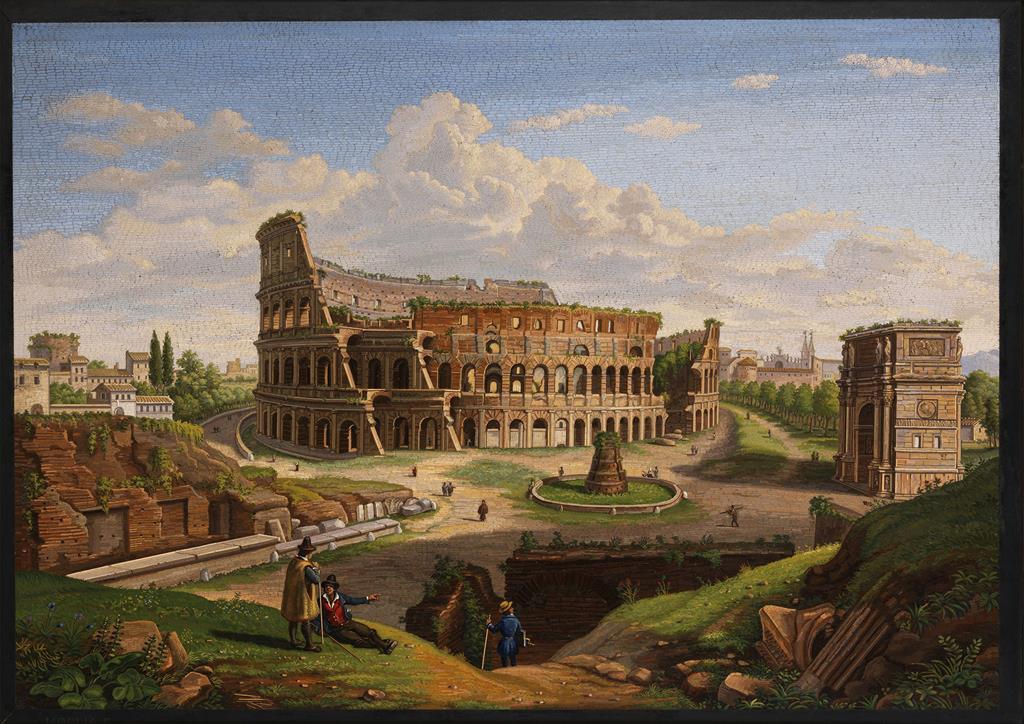 © The Rosalinde and Arthur Gilbert Collection on loan to the Victoria and Albert Museum, London
Repatriation has been a prominent undercurrent across global museums and art collections for a decade, and the past 12 months have seen thousands of transfers returning objects to their families after long trials over Nazi-era seizures, as well as administrative hurdles (there are many steps in deaccessioning and transferring things such as human remains) and ethical questions that remain contested. Stepping into this void are two new museum spaces. Unveiled late this September, the Unesco Virtual Museum of Stolen Cultural Objects is a digital showcase for discovering artefacts from across the globe. In London, a physical space – the revamped and expanded Gilbert Galleries at the Victoria & Albert Museum – is planned to open in March, offering an opportunity to reflect on particular looted works and their histories.
Contemporary Masters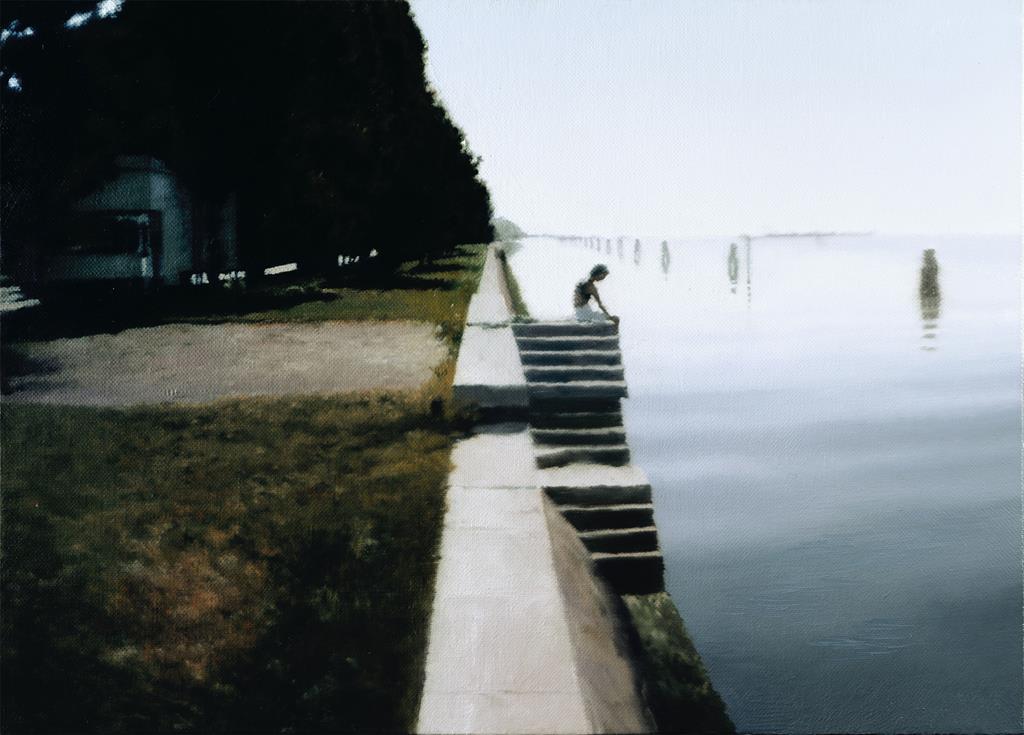 A 1985 work by legendary painter Gerhard Richter (© Gerhard Richter 2025)
Predicting the legacies of living artists is near impossible, but two major retrospectives are making the case for a spot in the all-time pantheon in their respective subjects. The rise of South Korean multimedia artist Lee Bul has mirrored the economic and cultural trajectory of her homeland, going quickly from local creator to international powerhouse. A massive exhibition that was hosted at Seoul’s Leeum Museum of Art from September to January will make its way to M+ in Hong Kong in March. German artist Gerhard Richter has some 275 works on display at Paris’s Fondation Louis Vuitton (until 2 March), a full survey of his astonishing career that is the first to cover every era of his six-decade practice.
Header image: Jeon Byung-cheol, courtesy of Leeum Museum of Art