Call of the Wild
Scored by the constant hum of nature, rarefied sanctuary Fawn Bluff Private Lodge offers up orcas, grizzlies and bald eagles as your only neighbours.

During the day, the world is swallowed by sounds – the wind whistling through the cedar and hemlock trees, a seaplane soaring above or someone clapping to scare off bears as you walk along a narrow forest path. It’s at night when the silence suddenly kicks in. Lying in bed, you’re reminded of the remote location: set on the edge of the Great Bear Rainforest on British Columbia’s Pacific Coast, the nearest neighbour is a 20-minute boat ride away. “Don’t run out of sugar!” joked a staff member on arrival.
The property’s isolation is alluring, but what initially drew the new Paris-based owner, David Tuchbant, to this region was the orcas. The inlets around Vancouver Island are some of the best whale-spotting corridors in the world, and there are few things Tuchbant loves more than these apex predators. “If you ask me a question about orca whales, [I could talk for] an hour and a half,” he said.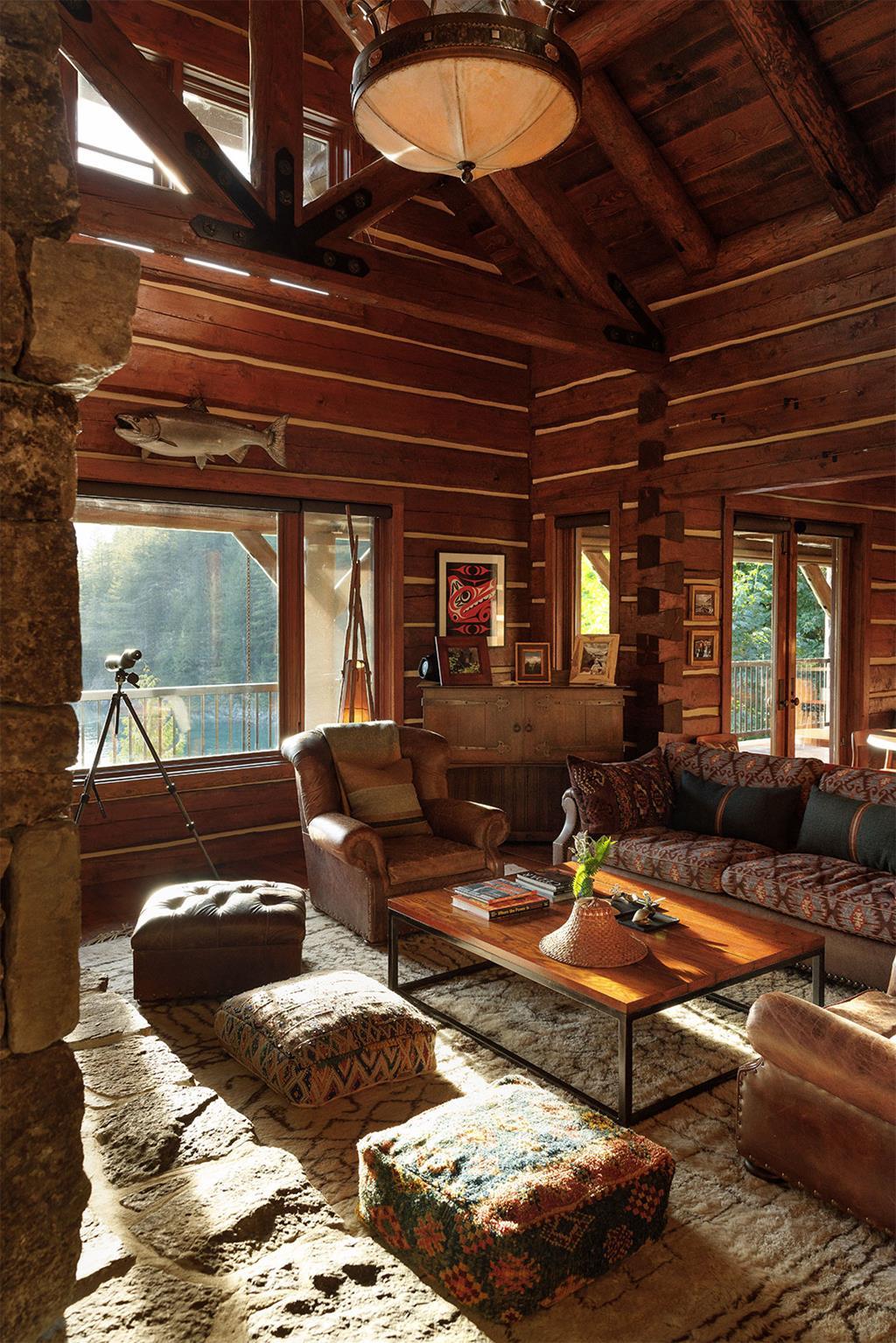
When Tuchbant began eyeing property here, he spent a month scouting land with the Swiss helicopter pilot Bastien Fleury. Having flown around these mountains for well over a decade, Fleury knew nothing could surpass Fawn Bluff. “There’s nowhere else like it – I knew [David] was going to want it,” said Fleury, who moved here, in part to escape the crowds in the Alps. The former home of Michelle Pfeiffer and David E Kelley, the five-bedroom wooden house (plus a one-bed lake cabin) is a self-contained sanctuary set on nearly 140 hectares of coastal rainforest, far away from anyone who could loan you a jar of sugar, but also from the crowds that descend upon orca sightings around the nearby towns of Campbell River. “Our neighbours are mainly bears and whales,” Tuchbant pointed out.
Tuchbant is not from a hotel background, which is perhaps why his approach to Fawn Bluff is so refreshing. “We are trying to build a new kind of hospitality,” he said. “There is something in standardised luxury hospitality that becomes too cold. We lose the connection.” Staff at Fawn Bluff are warm, engaging and game to do things on the fly – taking guests out fishing or whale-watching, showing them all the hidden pockets of their neck of the woods, and even sharing a beer at the end of a day.
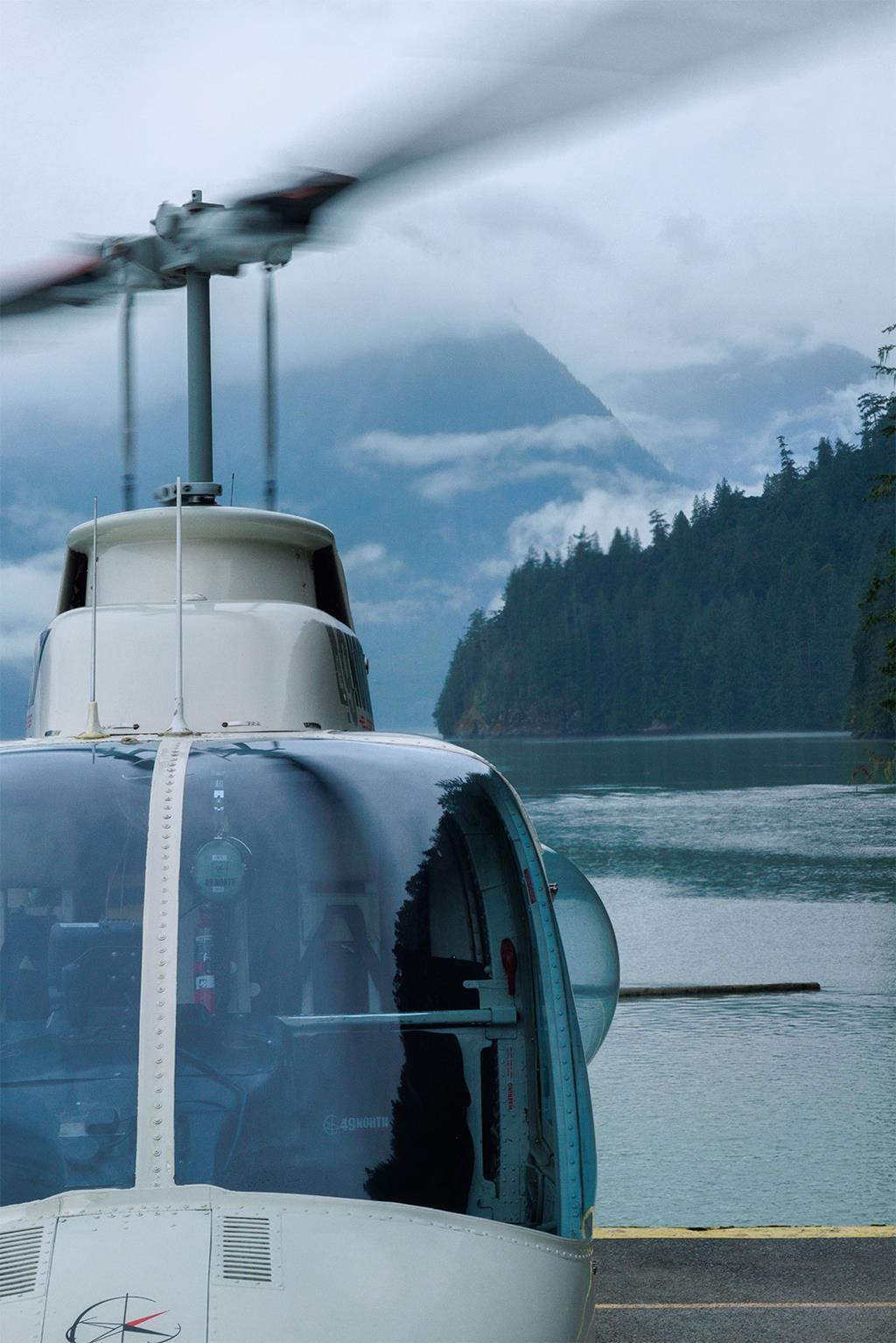
Tuchbant has also been working closely with the Homalco First Nation, whose ties to this land run deep. He launched an impact programme, which includes committing five per cent of profits back into the community and investing in their healing and trauma centre. “We have to serve the community because we are within the home of the Homalco First Nation,” explained Tuchbant, who has been profoundly moved by their culture and traditions.
For the lodge’s recent redesign, some structural changes were made – the addition of two bedrooms and a bathroom – but the bones have remained the same. It’s everything you want from a far-flung Canadian log cabin: pitched ceilings with wooden beams, a giant stone fireplace in the living room, leather couches dressed with cosy throws and big Muskoka chairs outside on the patio. In the main area, there’s a small collection of artworks and pieces created by Homalco artists.
For meals, chef Kwin Marion fanatically forages and ferments any and every edible ingredient he can get his hands on – fiddleheads, herbs and wild blueberries. If he can’t collect it himself, he’ll procure it from his neighbours; we eat tomatoes and squash from nearby producers Mike and Melissa over multiple meals. The menu is so local and seasonal that it makes Noma’s manifesto seem conventional: seaweed that’s been collected from the lodge’s bay and sockeye salmon that was gifted by a Homalco fisherman. Risotto is made from local barley and farro, plants are plucked from the forest and even soy sauce is fermented from Canadian grains.
On the property, there are over four kilometres of hiking trails and a private lake with SUPs and kayaks. But the real action happens beyond the borders of Fawn Bluff: whale- and bear-watching, fishing and hiking. Though this area has seen a steady influx of travellers in search of nature, it still feels untarnished. Especially up near Fawn Bluff, where seeing an orca or humpback on the lodge’s private boat, without another person in sight, is more common than not. The deeper you explore, the more the landscape reveals all its hidden crevices.
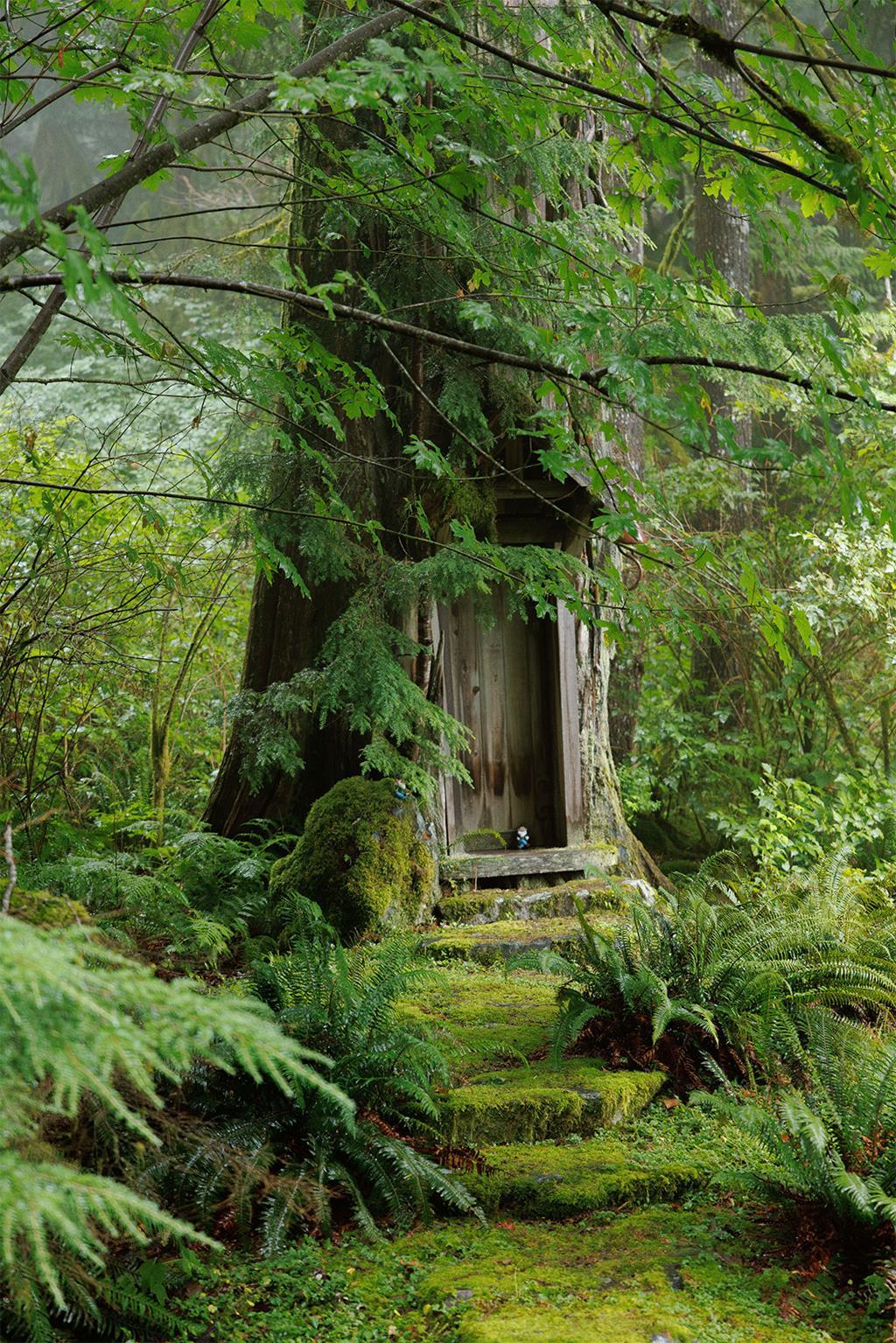
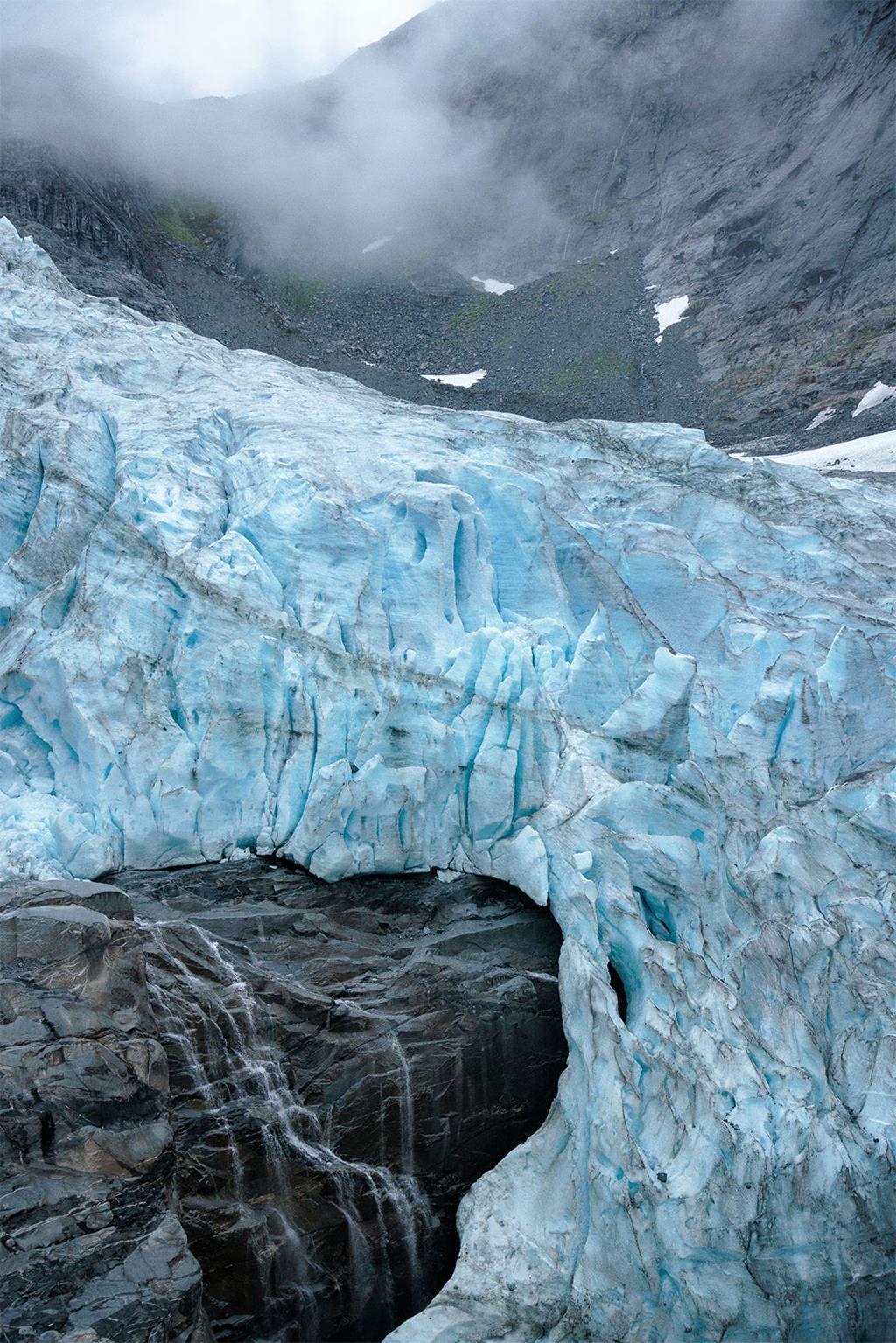
The mountains are so large and inaccessible, with only a small network of logging roads, that you need a helicopter to soak it all in. “When you’re down there [on the water], could you have imagined this is here?” said Fleury, as he whizzed us in a helicopter at more than 2,100 metres. During the 15-minute ride, we took in views of steep basalt and granite mountains where trees desperately clung to rock faces, icy lakes swirled with turquoise water, not unlike the Caribbean, and giant glaciers looked like thick sheets of polystyrene glistening in the sun. Absolutely awestruck, all I could think was: British Columbia … who knew?
We landed on a giant slab of ice where a picnic blanket had been laid out with big cushions. In the centre, a fondue pot was swiftly filled with Swiss cheese and heated on an old burner, which had belonged to Fleury’s grandmother. Our plan was to take a short, roped hike wearing crampons, up a snow-packed peak to admire the view. Leading it was mountain guide Jan Neuspiel, who previously led hiking trips in the Himalayas but chose to move back a few years ago. “It’s one of the great wilderness mountain ranges on the planet – there aren’t many places where you can look in every direction and see no one else,” he remarked, glancing around at the miles of snowy peaks, an ice pick in his hand.
While many things are planned, a lot of what happens is weather-dependent and impromptu. The following day, while boating back to the lodge along an inlet as the sun bruised the sky, we stumbled upon a lone whale. Captain Rob pulled the boat to a sharp halt, and we watched, in silence, as the humpback’s tail quietly submerged almost directly beneath us. It was a sighting shared with no one else.
Five days in, the nighttime hush becomes the norm, and it’s easy to forget that civilisation exists beyond the borders of this compound. Until the return trip back to Campbell River. Tuchbant had warned about this journey, of the importance of it: “You will [go] back and see what our connection to civilisation [is].” At the time, I wasn’t quite sure what he meant, but as we approached the shoreline and the distant buildings came into focus, it became obvious. The structures didn’t belong: they looked sharp and white, planted on top of what should be forest. Then, we saw the other boats, searching for whales. Arriving back to reality, as the sights and sounds swallowed us up, there was a visceral feeling that we’d left something very sacred behind.
Photography by Brice Portolano