Florence in Brief
A smart collection of places and experiences that highlight the Tuscan capital’s tradition of craftsmanship, creativity and timeless style far from the madding crowds.

Art, flavour and design: the ever-changing metropolis’s charm offensive continues apace …
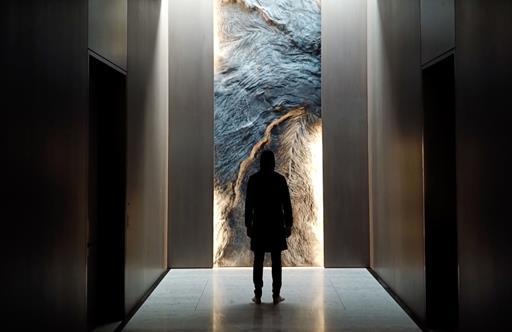
Where to Eat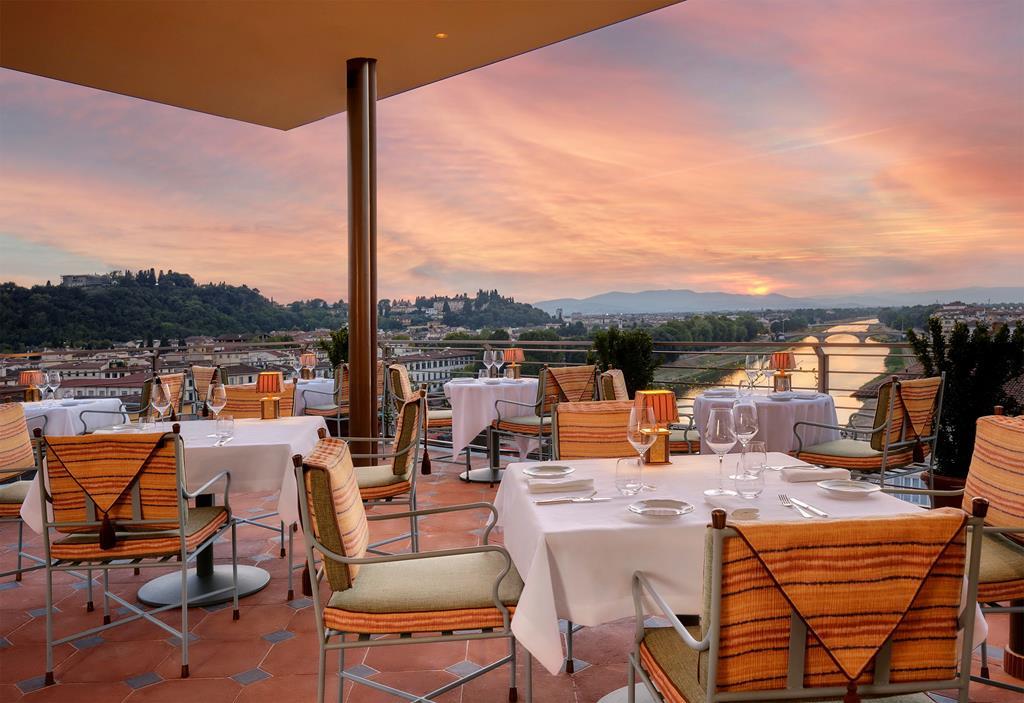 Cosimo Rooftop Restaurant & Bar
The striking view of the Arno from this sixth-storey eatery delights the eyes, while chef Marco Migliorati’s cuisine pleases the palate. A tribute to Renaissance figure Cosimo de’ Medici, it features dazzling interiors by Martin Brudnizki and bathrooms fitted with turtle-shaped faucets.
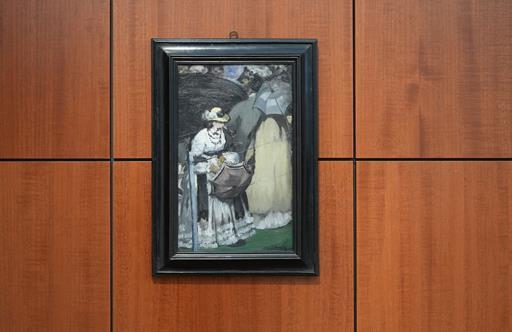
Atelier de’ Nerli
Located in Florence’s Oltrarno neighbourhood, this osteria exudes the spirit of an art gallery, blending local craftsmanship with rare artefacts. Highlights from chef Gianluca Camilotto’s menu include a Paolo Parisi egg with a courgette-flower tart and pappardelle with white ragù.
Where to Stay
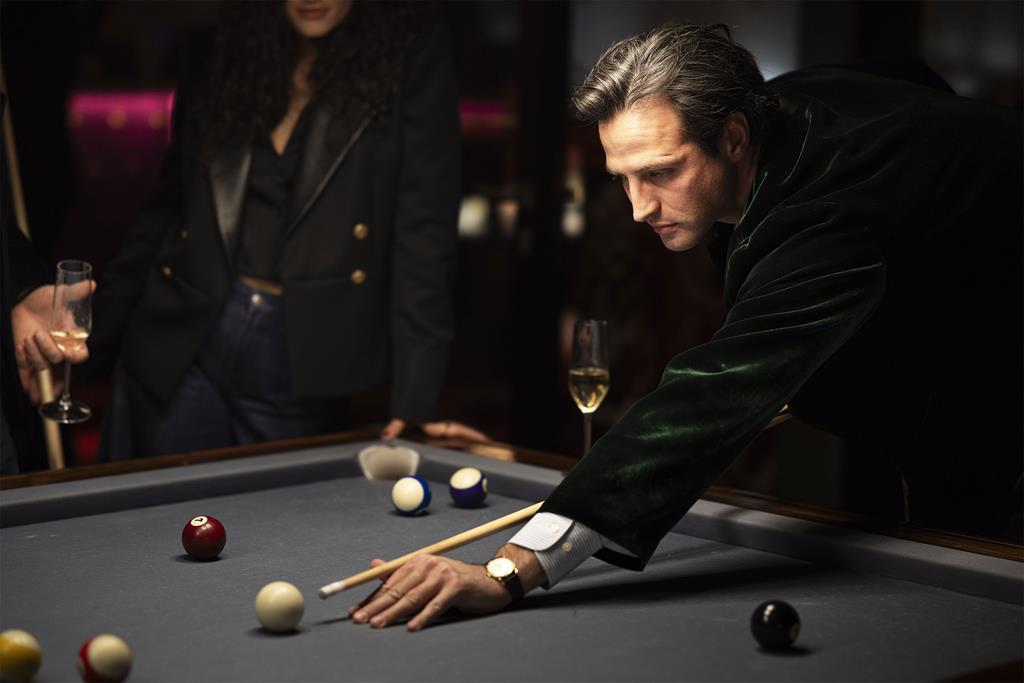
Hotel Number Nine
This diminutive property combines owner Ginevra Moretti’s eclectic, Asian-inspired style with the musical vision of her husband Max Fane (who curates live music events on site) and chef Donatella Brancato’s cuisine. Standout features include Daisy’s Restaurant, the spa, Florence’s first members’ club, and a superyacht cruise through the Tuscan Archipelago. 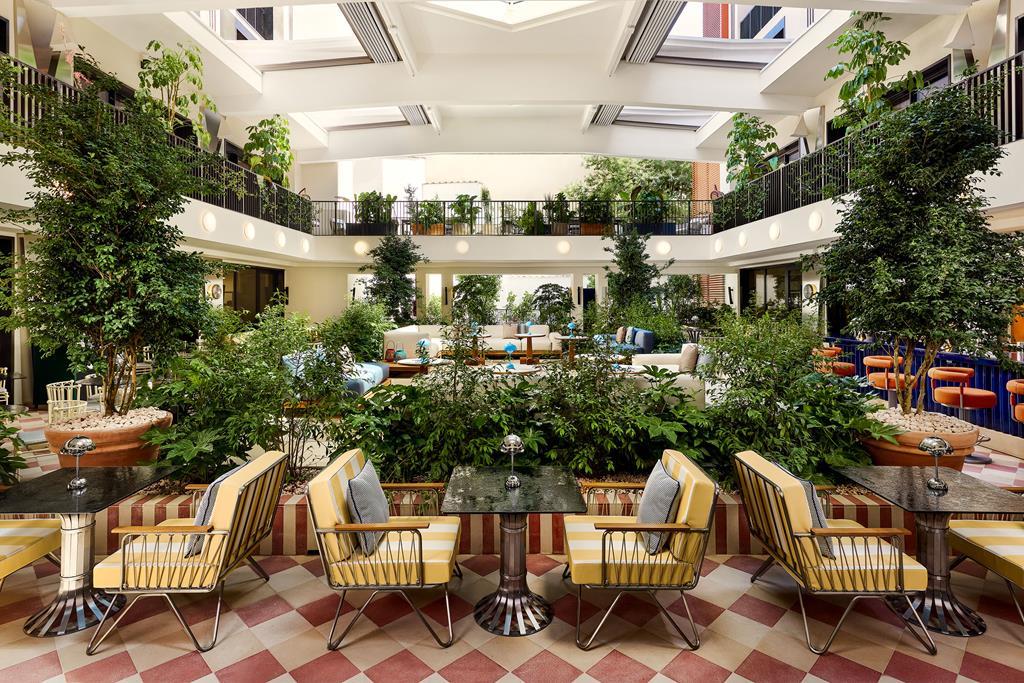
W Florence
This recently reopened star sits in a stylish modernist building and boasts the brand’s Whatever/Whenever service, a rooftop garden and live music. The former bank mezzanine now serves as the central courtyard, and Michelin-starred chef Akira Back will soon debut with a menu blending Korean and global flavours.
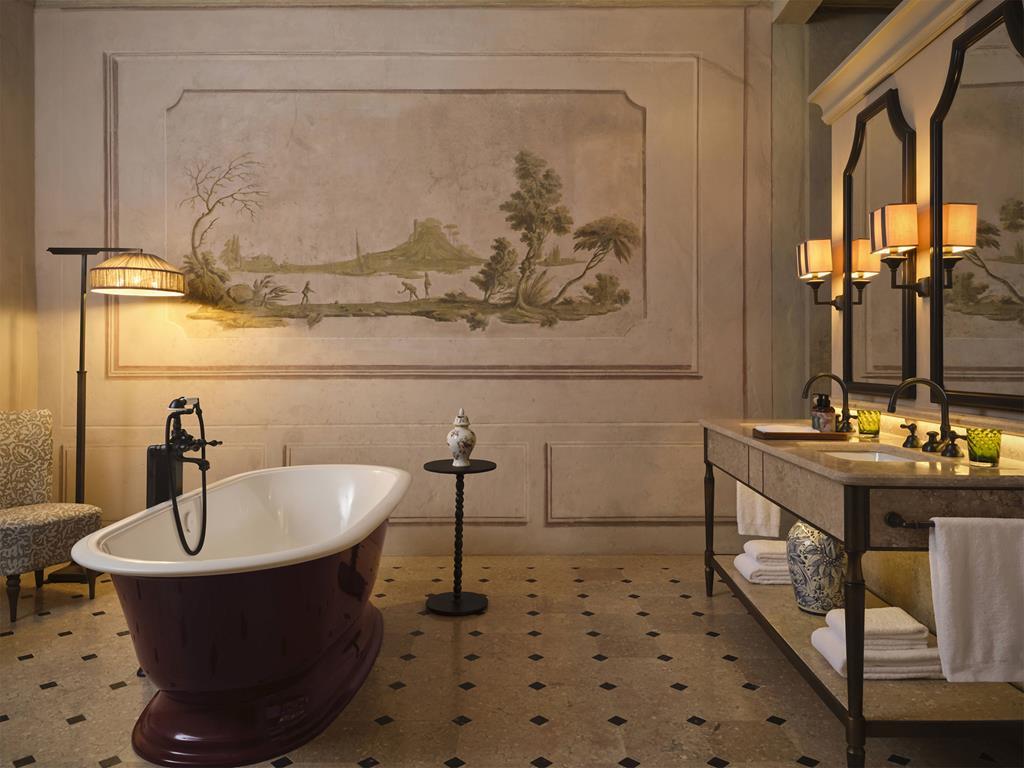
Collegio alla Querce, Auberge Resorts Collection
A 16th-century former school once tied to prominent families, including the Puccis and Ferragamos, is now a stunning retreat in the hills, just a few minutes’ drive from Florence. Guests can sip cocktails at Bar Bertelli, once the headmaster’s office, and dine at La Gamella overlooking the garden.
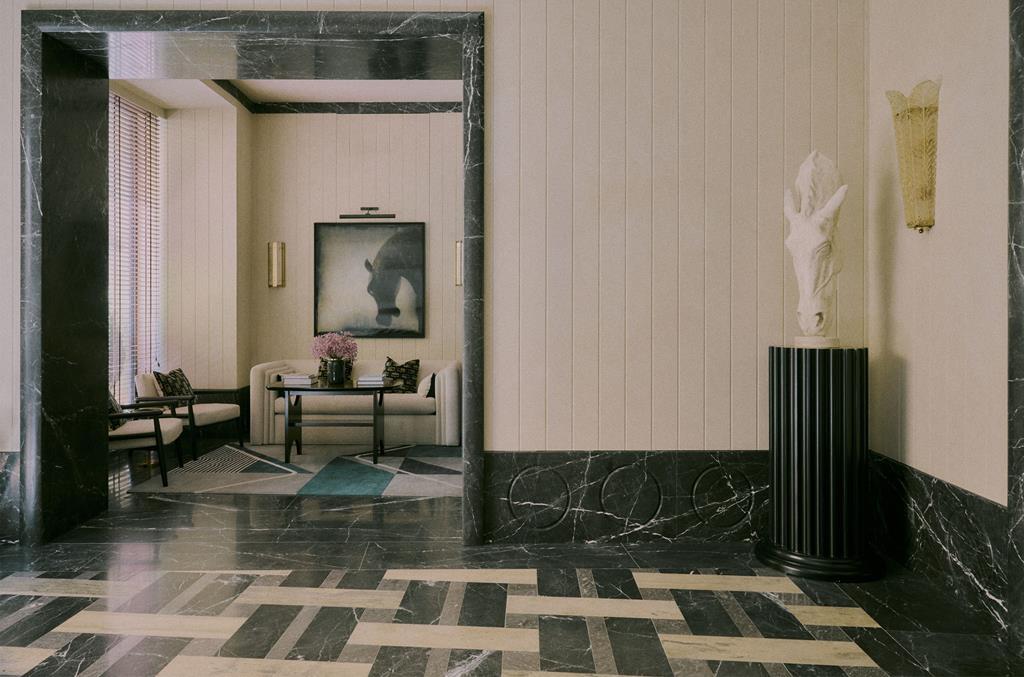
Palazzo Ottaviani
Owned by the San Giuliano family and managed by Lungarno Collection, guests here can experience a relaxed take on the Grand Tour 3.0. It offers 10 residences (the highlight is the rooftop penthouse) in a 1950s-era building furnished with custom pieces and works by local artists.
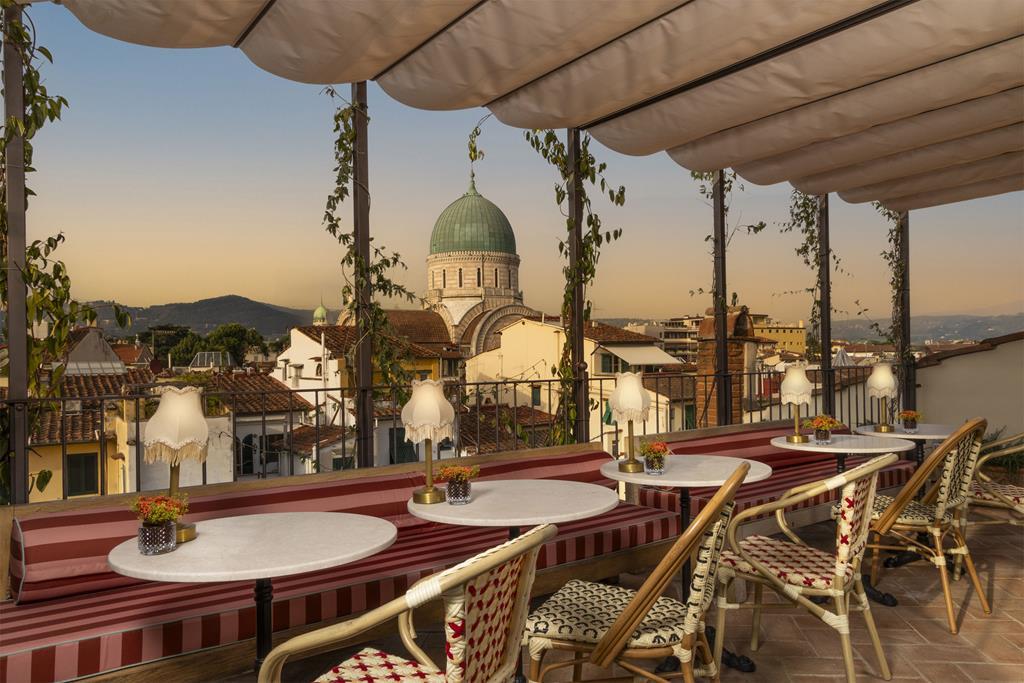
The James
Florentine designer James Cavagnari has just transformed a former convent into 14 suites, the 1564 Lounge Bar, and the James Restaurant, all of which were shaped with local artisans. The property retains the spirit of Renaissance-era mercantile courts and its in-room furnishings include what is thought to be Queen Elizabeth II’s original travel trunk.
What to Do & See
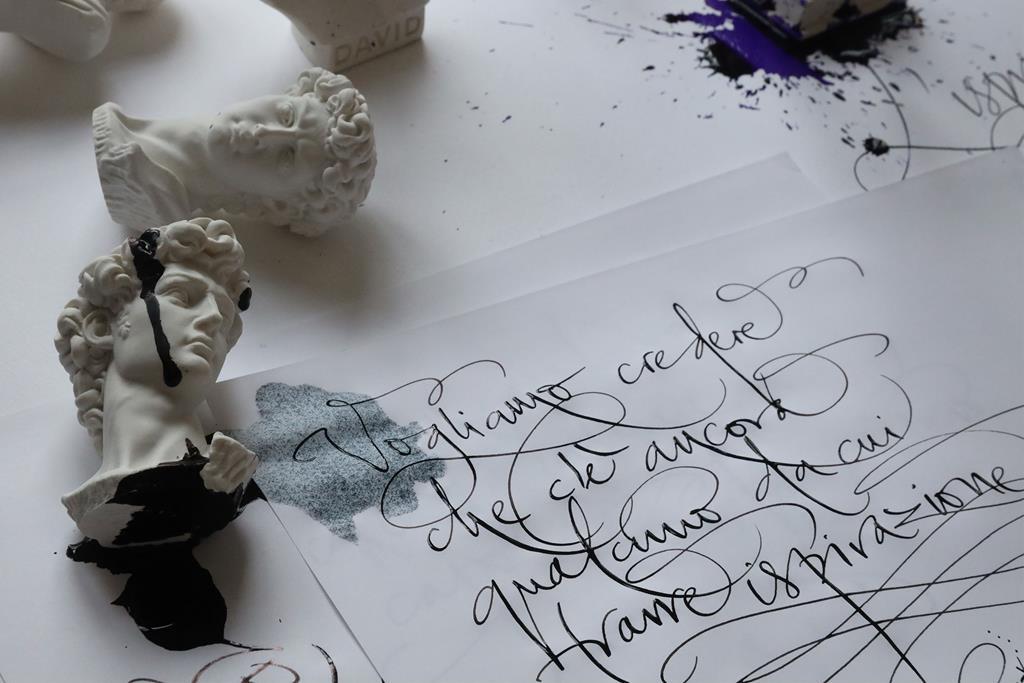
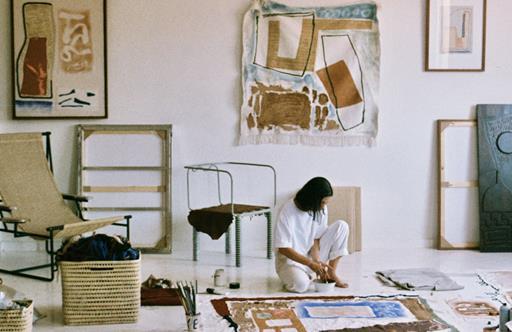
Betty Soldi
The eponymous graphic designer and calligrapher offers “Inksperiences,” calligraphy sessions in which writing becomes a journey of self-discovery. “The focus is on how you feel while writing, not on how a word should look,” Soldi explains.
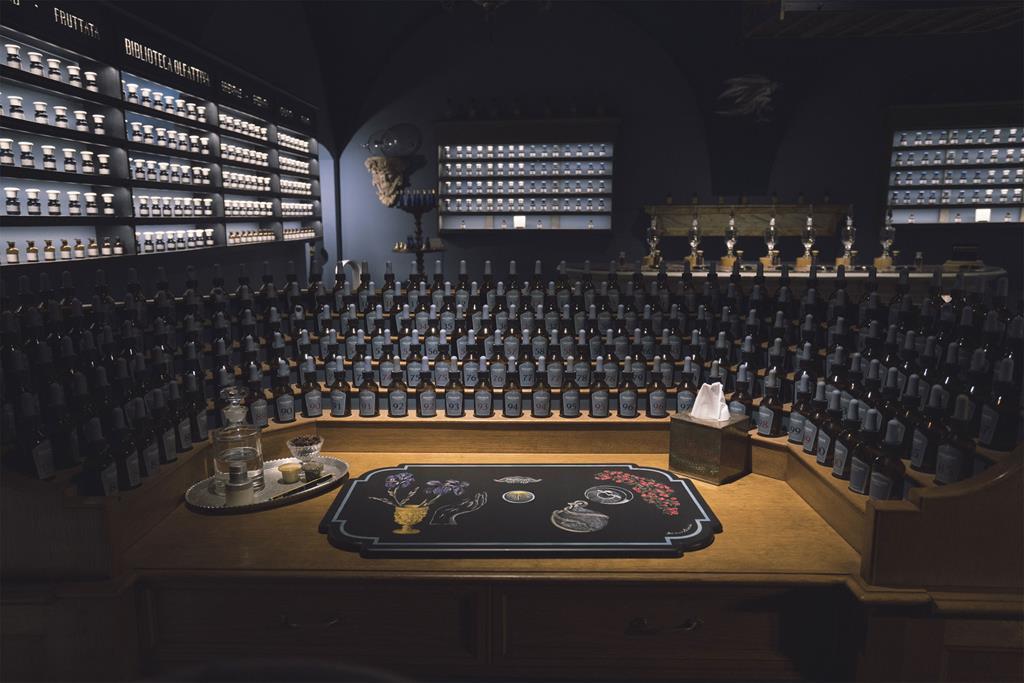
Profumoir
The young designer and aesthete Daniele Cavalli shares a passion for exquisite materials and high-concept craftsmanship with master perfumer Sileno Cheloni. Together, they created this atelier-boutique offering bespoke fragrances, sensory experiences and a suite for overnight stays.
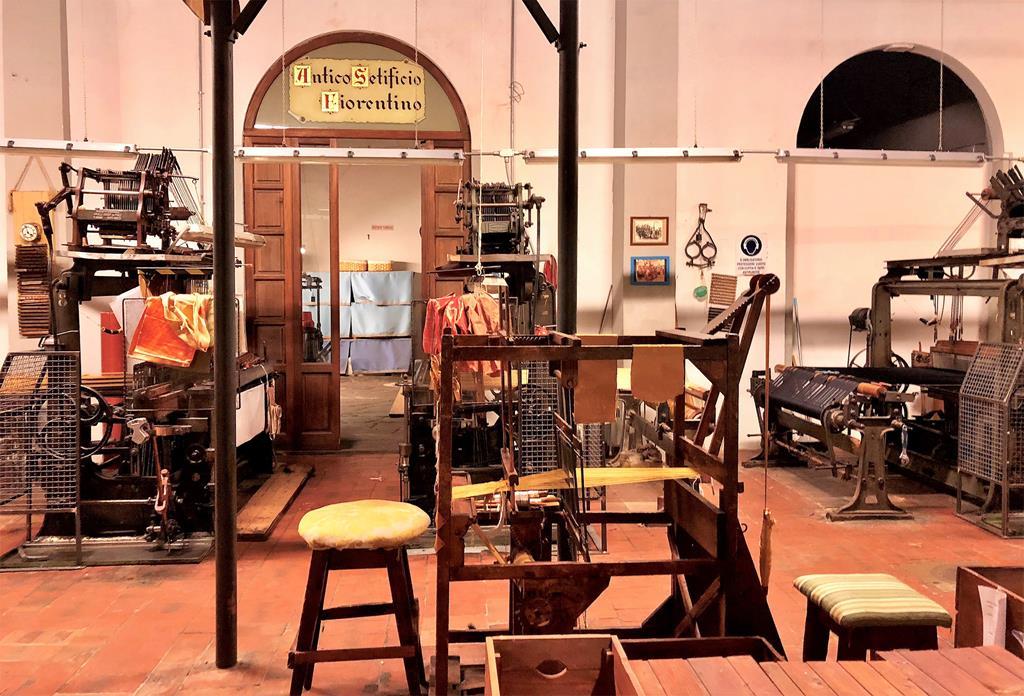
Antico Setificio Fiorentino and Loretta Caponi
Founded in 1786 and now owned by Stefano Ricci, artisanal heritage comes alive at Antico Setificio Fiorentino, where an 18th-century loom designed by Leonardo da Vinci and the unique Tuscan filaticcio are on display. Loretta Caponi’s atelier, opened in 1967, continues to craft embroidered and bespoke linens, including some for royal clients.
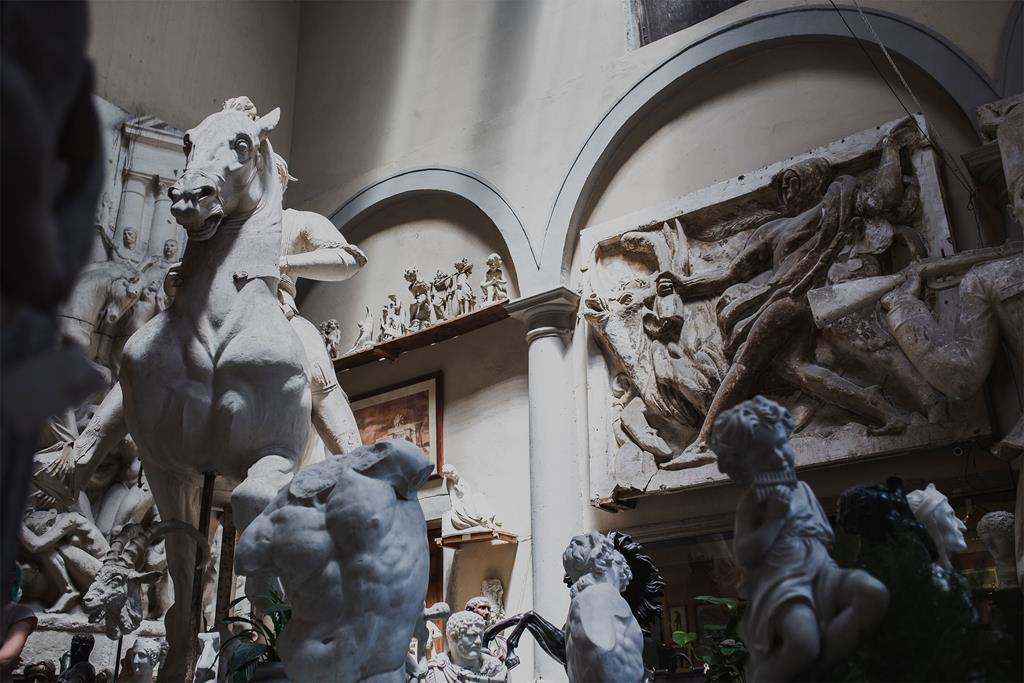
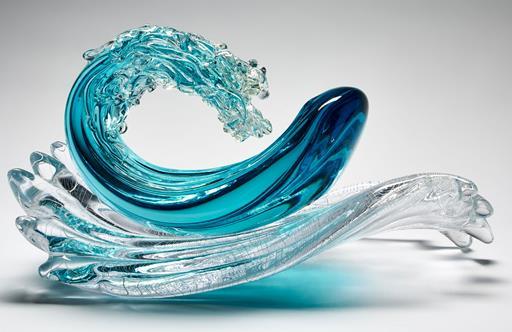
Studio Galleria Romanelli
Founded in 1860, Galleria Romanelli is one of Europe’s oldest sculpture studios. All projects begin with the study of the human figure, and visitors can also attend single lessons.
Loggia Roof Bar
Perched atop the 1505-built Hotel Palazzo Guadagni, this bar offers panoramic views of Florence and its hills. Guests can enjoy a Loggia Spritz – Aperol, Campari, ginger ale, prosecco and fresh fruit – or a Chiantishire bourbon whiskey, which elevates the American spirit with a float of Chianti Classico. – Mariangela Rossi
Head for the Hills
Close to Florence, yet worlds away: Dimora Ghirlandaio blends city access with hillside serenity.
Florence, especially during the warmer months of the year, can be overwhelming – heat rising from the cobblestones, crowds jostling for a glimpse of the Duomo, streams of tourists crossing Ponte Vecchio or queuing for hours to access the Uffizi. Just a 15-minute drive south of Florence’s less-crowded Oltrarno neighbourhood, however, the city gives way to rolling silence. Here lies Dimora Ghirlandaio, a Renaissance-era complex that, until recently, was available for full buyouts only. But now, its six villas for up to 40 guests, designed for grand gatherings and private celebrations, are finally open for individual bookings.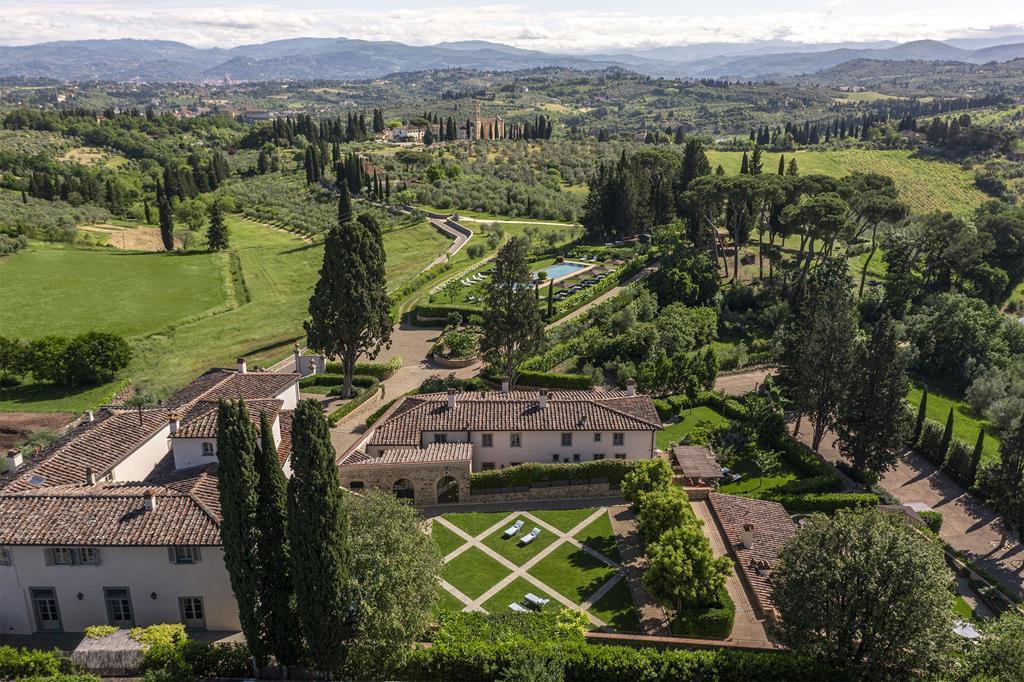
In the 15th and 16th centuries, this estate was the retreat of the Ghirlandaio family, one of Florence’s most celebrated artistic dynasties. Domenico trained Michelangelo and inspired Leonardo; his son, Ridolfo, a friend of Raphael, chose to remain here rather than accept a papal commission in Rome. Their on-site chapel frescoes and mosaics, still visible to today’s guests, breathe life into this hillside sanctuary.
Rescued from decay by the Cecchi family in 2010, the estate was lovingly restored and opened in 2018 as a private Tuscan hideaway. Guests can now reserve single villas or suites, bringing Renaissance heritage within reach of couples, families and smaller groups. Each accommodation tells a story: La Limonaia, a suite framed by Renaissance-style lawns; the main villa, with its impressive open fireplace and Italian-style gardens; and La Bottega, the former family workshop with a desk overlooking the Duomo. All across the property, rustic beams, terracotta floors, lavender-scented gardens and an infinity pool flowing into olive groves set the stage.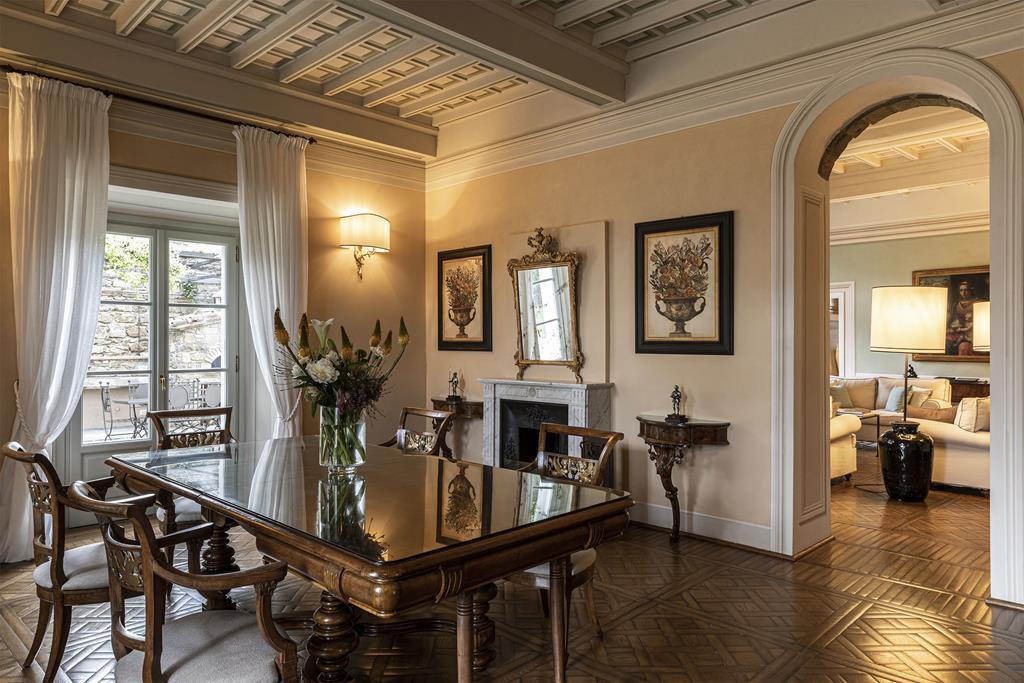
The experience extends well beyond history and architecture. Guests can join painting and cooking classes, taste the estate’s exceptional, award-winning olive oil, float skyward in a hot-air balloon from the grounds, or explore nearby abbeys such as Badia a Passignano, where monks still dine beneath Domenico Ghirlandaio and his brother Davide’s 1476 Last Supper fresco – famously left unfinished after quarrels with the abbot over the size of food portions.
Today, such conflicts are a distant memory. Dimora’s kitchen team ensures harmony at every table – whether it’s a long dinner under a wisteria-covered pergola, a private meal in your villa, or a convivial evening in the greenhouse-style restaurant. Here, food is a celebration, and every plate a piece of Tuscany’s living masterpiece. – Thomas Midulla
Photo credits: Cosimo Restaurant, Betty Soldi Studio, Galleria Romanelli, Profumoir, Antico Setificio Fiorentino, Auberge Collection, House of Nine, Marriott, Stefan Giftthaler, Manfredi Hotels, Alessandro Moggi