Lima Lets Loose
After decades in the global spotlight, the city’s top chefs – and their protégés – are stretching their legs, balancing acclaimed tasting menus at their established flagships with a new crop of more casual places.

Before Mérito’s doors even open, hungry diners gather on the pavement in Barranco, forming a loose, uneven queue. When the clock strikes seven, the host ushers guests in and guides them to their tables – some are led upstairs to a tiny mezzanine with adobe-textured walls, low ceilings and wooden floors. Others, couples and solo diners, claim front-row seats at the counter, where chefs in navy T-shirts and aprons meticulously prepare Venezuelan and Peruvian dishes in the compact kitchen.
In the eight years since I first ate here, the space hasn’t changed much – there’s new lighting (a point of pride for the chef) and a larger team, but the atmosphere still feels delightfully familiar. Chef Juan Luis Martínez, still in his signature navy uniform, stands behind the counter, assembling dishes with razor-sharp precision. Around him, a bevy of cooks moves in quiet, practised harmony. Juan Luis sets down a neat white menu listing 11 courses – from cornbread and Andean curry to prawns with huacatay.
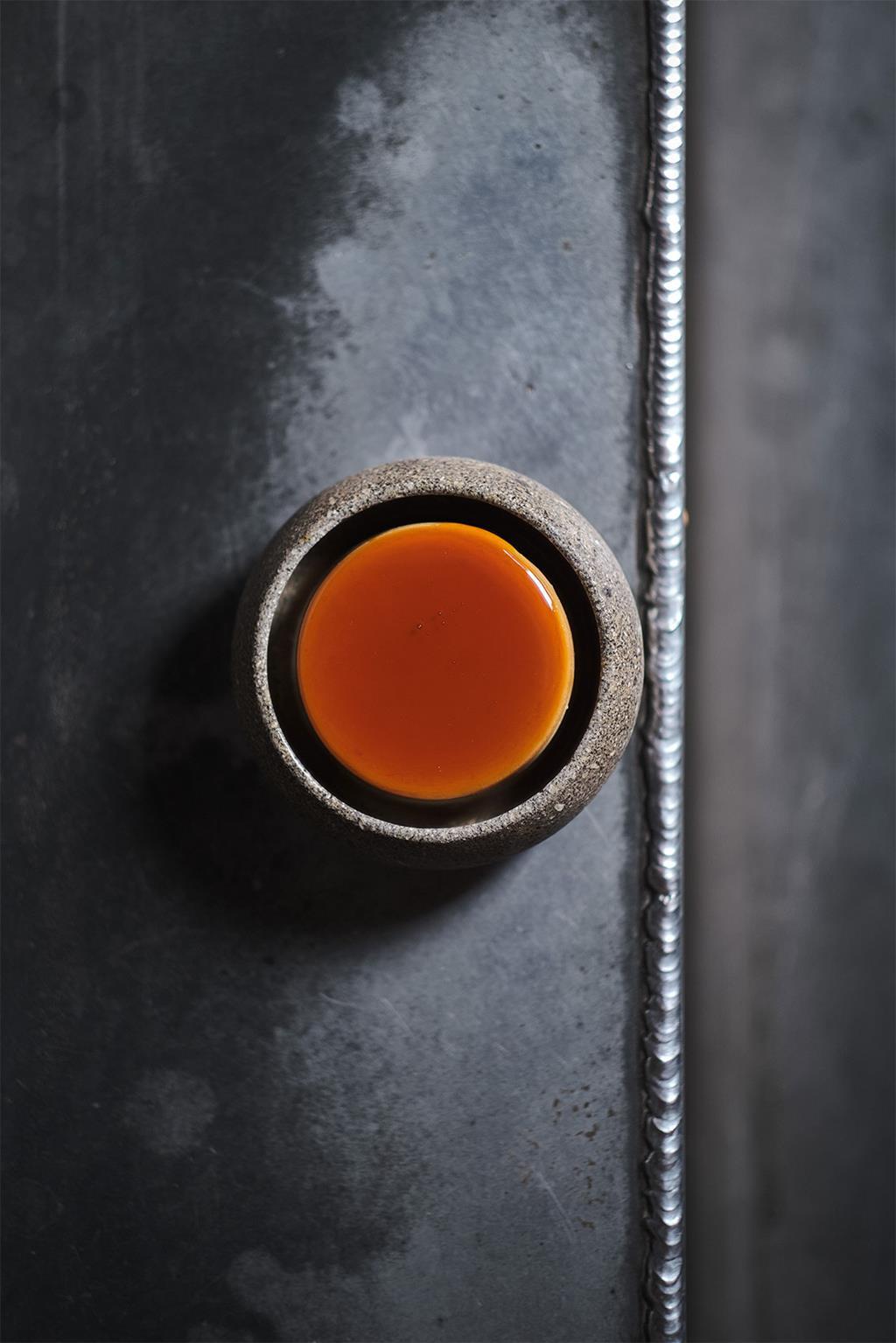 © Merito
Having visited the restaurant a couple of months after it opened, I remember trying the now-celebrated yuca quesadilla filled with goat’s cheese and mashua and thinking: “Oh boy, this place is going to blow up.” And indeed it did. Though many items from the original menu remain, a lot has happened since the Venezuela-born chef launched Mérito in 2018. The restaurant has steadily garnered more acclaim – most recently earning a spot at number 26 on The World’s 50 Best Restaurants list – and established itself as one of Lima’s finest dining joints.
Juan Luis and his business (and life) partner, Michelle Sikic, have expanded the culinary footprint with a casual sister restaurant, Clon, and a cafe and roastery called Demo, where they serve pastries and artisanal coffee roasted from sustainably sourced beans. They also launched Astro, a studio which focuses on restaurant design and materials. In the pipeline, a bodega-style cafe and grocery store in Miraflores and a speciality coffee spot in a new building they’ve obtained, around the corner from Demo in Barranco.
 © Clon
Nine years ago, this expansion wouldn’t have felt attainable. Not only because Juan Luis had just struck out on his own after working at Central, but the appetite for Lima’s restaurant scene was still growing. “[Lima] was just a stop to go to Cusco,” says Virgilio Martínez, chef and founder of Central, arguably the city’s most famous restaurant. “[Visitors] would stay maybe two days to try some ceviche or a pisco sour.” Then, he says, people began making trips to Peru just to eat their way through the city. New hotels such as Andean’s homey guesthouse Fausto and the soaring new InterContinental in Miraflores are further proof of the demand. “They didn’t even go to Machu Picchu or Cusco, they would come to Lima,” he says, adding that 10 years ago, “this would never have happened”.
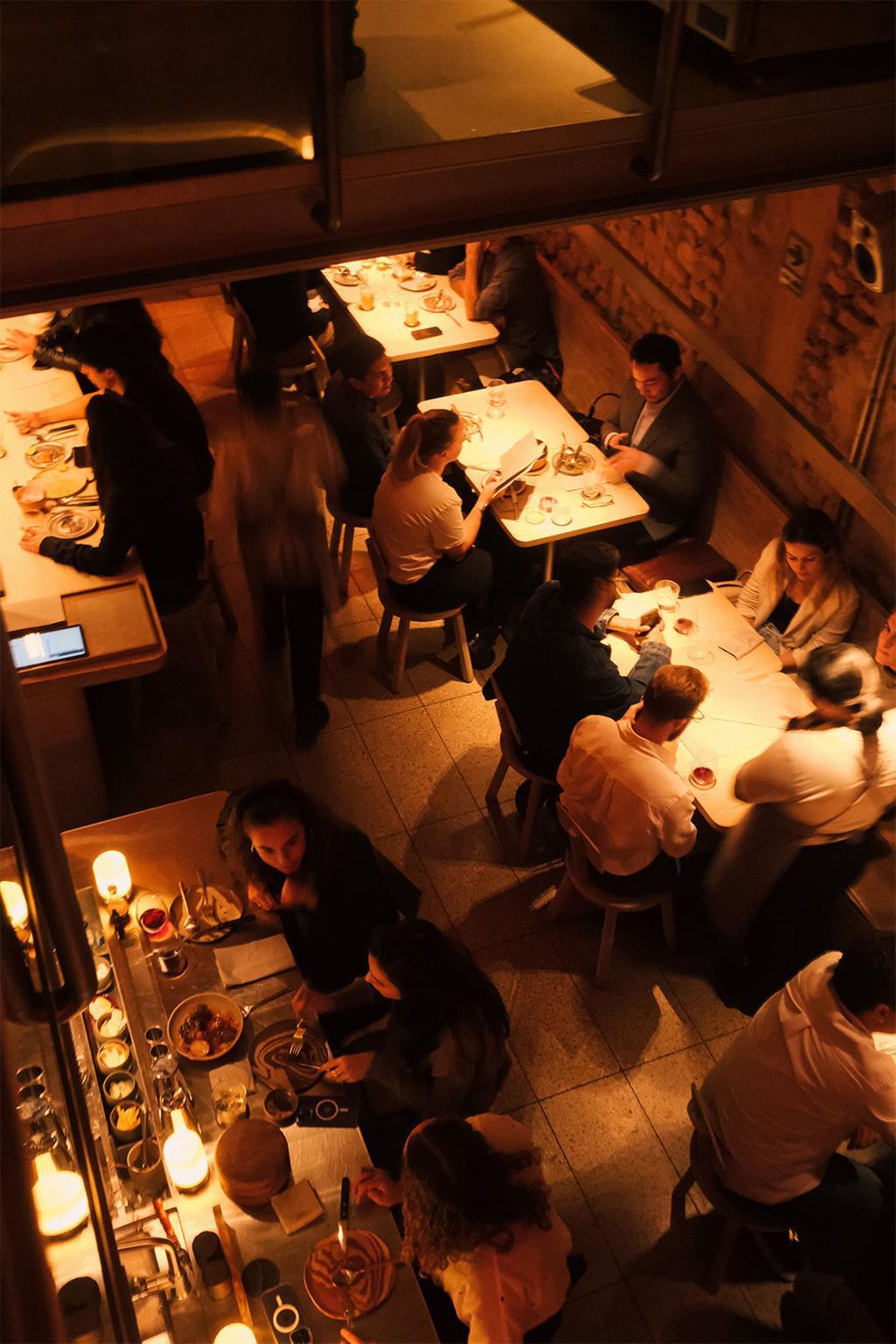
But it’s not just foreigners jetting in for a long weekend to soak up the scene. Drop by Demo on a Saturday morning, and the cafe is pumping with Limeños tearing into flaky pastries and sipping flat whites. Saturday night at Clon is crowded with groups of friends and out-of-towners sharing plates of arepas, smoked trout and avocado tostadas, tiraditos and ceviches. When Juan Luis arrived more than 10 years ago, he remembers how nascent the scene was. Now, he says, “there’s diversity … what was available back then [compared to] what’s available today,” he adds. “And that tells you that people are more open to new things.”
 © Rafael
Not that Lima lacked a robust food scene before. The city had long been recognised as a culinary destination, celebrated for its famous hole-in-the-wall cevicherías and smart restaurants with lengthy tasting menus. Chefs such as Rafael Osterling of Rafael restaurant, Gastón Acurio, founder of Astrid & Gastón, as well as Mitsuharu “Micha” Tsumura of Maido, who is widely considered a master of Nikkei (Japanese-Peruvian) cuisine, have been drawing diners for decades. But now, “you see the younger generation just doing their own thing,” says Juan Luis. Chefs such as Francisco Sime, who opened a hot Nikkei spot, Tomo, as well as Nelson Freitas, a sous chef at Pía León’s restaurant Kjolle and recipient of the S.Pellegrino Young Chef Academy award in 2023. There are buzzy cocktail and wine bars, too: Cordial and Mosquita! Muerta!, where natural wines are poured.
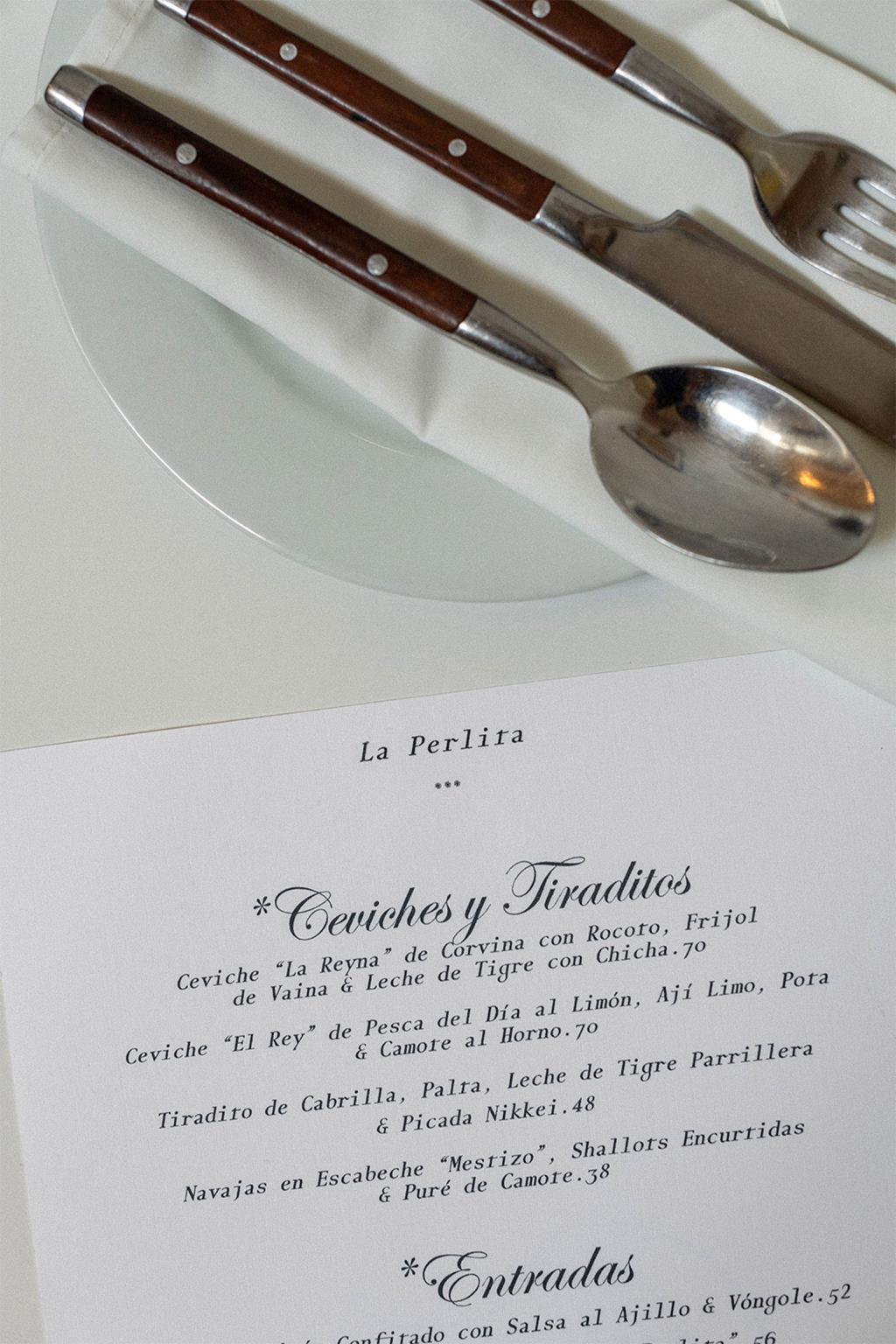
Juan Luis’s generation has also played a big part in diversifying the offerings. Pía León, who was named The World’s Best Female Chef in 2021, saw her restaurant, Kjolle, reach number nine on the World’s 50 Best list in 2025. Chef Ricardo Martins, who opened Siete, set in an old house in Barranco, the same year as Mérito, has since launched two restaurants: La Perlita, a modern take on a classic cevichería, and Menú, a slick after-hours bar with booth seating and candlelit tables. Siete, which serves ceviche as well as pasta, remains a much-loved casual brunch and dinner spot. Having also worked at Central, Martins wanted to steer away from fine dining and instead create restaurants that people could visit a couple of times a week rather than just once a year. “I was tired of tasting menus,” says Martins. “Casual fine dining was missing … it was always something I wanted to do.”
 Kjolle (photo: Camila Novoa)
Though there’s been a rise in restaurants offering less finicky plates, Juan Luis has also noticed that some diners aren’t quite ready to abandon a multicourse experience. Initially, when he opened Mérito, the menu was à la carte – after all, he launched the restaurant because he was tired of fine dining and the stuffiness that came with it. But recently, he shifted dinner service to a set menu after hearing from solo diners who had travelled all the way to Lima to try as many bites as possible. He’s still of two minds about the decision, so he keeps the experience as informal as possible, with no stiff white tablecloths or lengthy explanations. And besides, he hasClon, the more casual sister restaurant, where he can be more playful with the menu.
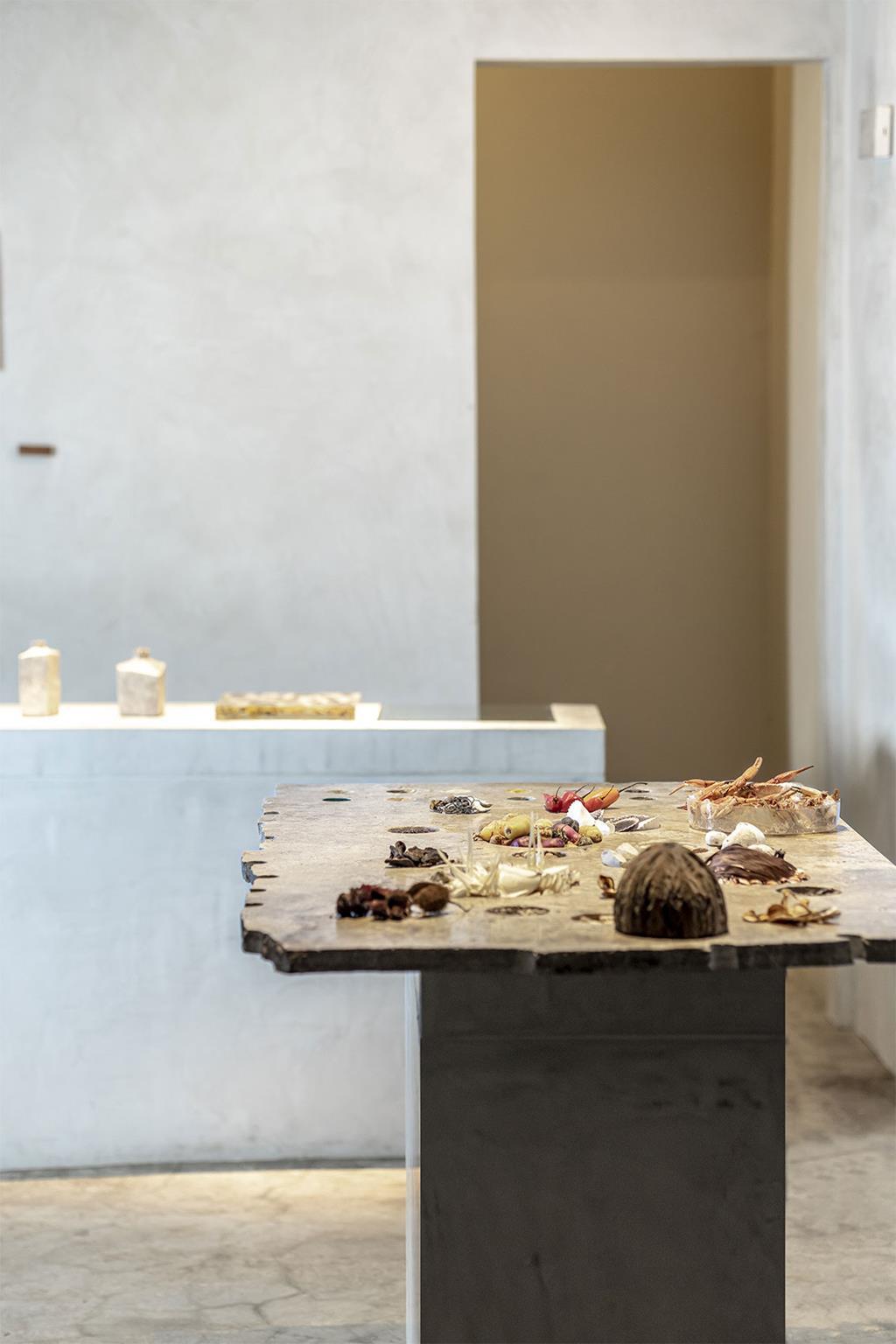
Even the city’s most celebrated chefs are switching gears thanks to this influx. Virgilio Martínez of Central has overhauled his menu and added a new space upstairs, dedicated to innovation and education. Above the glass-encased restaurant, which has views onto a peaceful garden, there’s a lab and tasting space where diners spend six hours plunging into Peruvian cuisine. Here, the team also dissects the cacao plant, offering guests tastes of parts not typically celebrated, from the husk to the baby fruit. “There are a lot of ‘immersive’ experiences that aren’t actually that ‘immersive’,” says Virgilio, who has spent years researching Peruvian ingredients. This, he says, thrusts you deep into the chefs’ intricate processes, where you can learn about their findings. “We open the restaurant to you,” he says. “When you visit a restaurant, you only see the beautiful dining room ... you celebrate great hospitality – but what happens beyond that? Why are you really coming to Peru?” asks Virgilio.
 © La Perlita
Some people, he says, go to Central to check it off their list, but others “really want to understand what’s going on here”. Central isn’t simply a restaurant; it’s a powerful brand that supports supply chains. “The restaurant has a social and economic impact,” he says. “It’s way bigger than what we thought.” When they started 20 years ago, they didn’t realise they’d be working with over 300 families and have such a profound effect on their suppliers and producers. Which is significant because when Virgilio started out, he grappled with doing fine dining in a country where there’s so much inequality. Now, the reach is far greater than he had ever anticipated.
The menu has also taken a new direction, offering more experimental, thought-provoking dishes – each course centred on ingredients grown at a certain altitude. “We have the privilege [of having] people come here and say: ‘I’ve never had an ingredient like this!’” says Virgilio. Now that he has the platform and the credibility, he can be more radical. Also because diners are more willing to leap into the unknown. “[Previously] we got the feeling that people were not ready to listen or taste what we were explaining or serving. It was maybe too unknown. But things are changing,” he explains. “People are more open-minded.” On a Monday afternoon, the dining room is packed with guests from all over the world, obsessively taking photos but also delighting in unfamiliar flavours such as sea lettuce, bacon and olluco. If they have space for dinner, they’ll probably go somewhere more relaxed, such as Siete or Clon. And that’s the beauty of Lima right now, because you can have both. “Maybe you don’t want to do a tasting menu every day,” he says. “But sometimes you still want to go to the theatre.”
 Central (Photo: Gustavo Vivanco)
Header photo © Ken Motohasi