The Thinking Yacht
The luxe world of yachting might seem like the last place you’d expect to find artificial intelligence, but the sector is already a hotbed of AI innovation – and the onboard revolution is just beginning.

Whether it’s the sinister actions of HAL 9000 in 2001: A Space Odyssey or the dystopian virtual world of The Matrix, artificial intelligence has not always had the best press. Yet amid the fears and ethical concerns, AI is already quietly doing its thing in all areas of our lives, from smart-home automation and the Internet of Things to Waymo’s driverless taxis and what you see on your Instagram feed.
AI isn’t new, but increases in computing power, combined with the advent of the large language model (LLM) in 2023, have supercharged the sector. Among the industries seeking to capitalise on its potential is the luxury superyacht segment, and – driven partly by the sector’s desire to innovate and partly by the desire of clients to be seen at the cutting edge – AI is finding its way into all corners of yachting.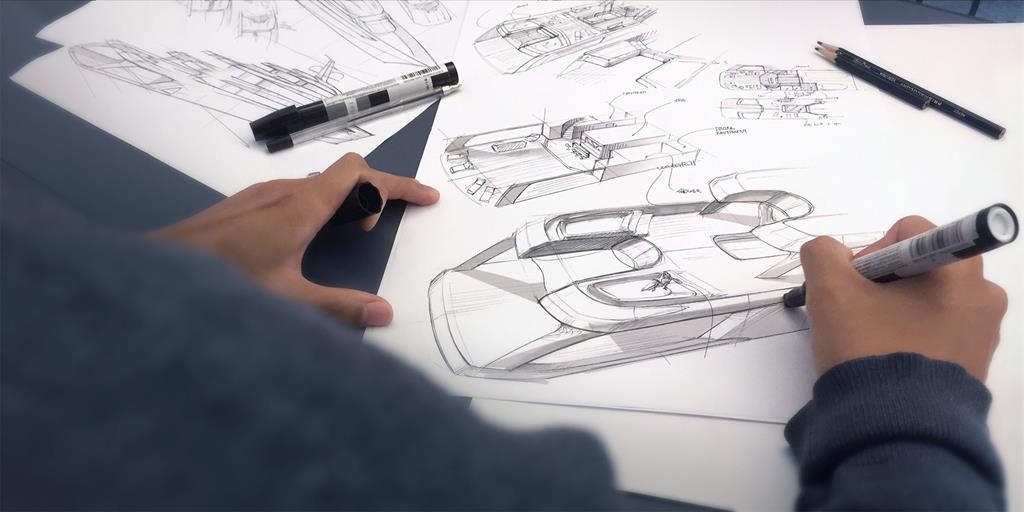 (Photo: Olesinski)
“The influence of AI is seen in the software and systems we use daily, making everything from routine communication to complex technical work faster and more intelligent,” begins Bill Edwards, head of research and development at Olesinski, which has been a pioneer of AI in yacht design and naval architecture for more than a decade, working with both the University of Southampton and the Alan Turing Institute. “Multimodal AI capabilities are also accelerating. Text-to-image and image-to-text models, as well as voice- and video-based systems, are transforming creative and interpretive workflows, and, for a design-centric field like naval architecture, this evolution holds tremendous potential.”
The arrival of large quantitative models (LQM) – which are based on learning from physics and formulae rather than from language – will further shape the potential of AI in design. “The idea,” says Edwards, “is to combine knowledge of physics with machine-learning methods to improve the way in which we perform and make use of our simulations involving fluids.”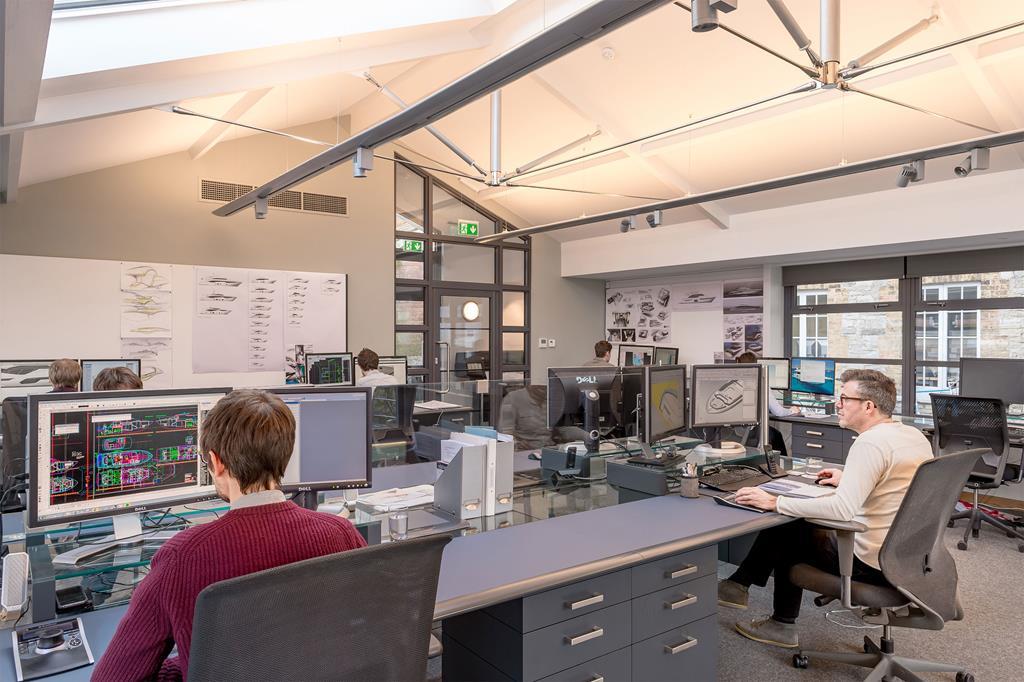 (Photo: Olesinski)
Machine learning is also being used in combination with so-called digital twins – computer-based mock-ups of equipment, systems or even entire yachts which can be used to train AI – not only for predictive maintenance, but also to enhance vessel and yacht operation. Hefring Marine’s AI-powered Intelligent Marine Assistance System (IMAS) is a hardware-enabled software-as-a-service solution that aims to improve comfort, safety, fuel efficiency and route-planning by learning the characteristics of a vessel or yacht, initially via a digital twin, and then advising the operator on the optimum parameters for the prevailing conditions.
It doesn’t just give recommendations for things like fuel-efficient cruise speeds or routes; it’s also able to measure vessel motion, use those measurements to predict upcoming conditions, and advise the operator on how to mitigate things like slamming in a seaway. “When you put it in the hands of experienced operators, they tend to agree with the system,” says Karl Birgir Björnsson, cofounder and CEO of Hefring Marine. “When you then put it in the hands of less-experienced operators, the decisions of the system and the operator start to diverge, because sometimes it wants you to do counterintuitive things that an experienced operator would know, like go faster in order to smooth out the effects of chop.” It’s not hard to see how such systems can augment crew awareness while also serving as a form of training while on watch.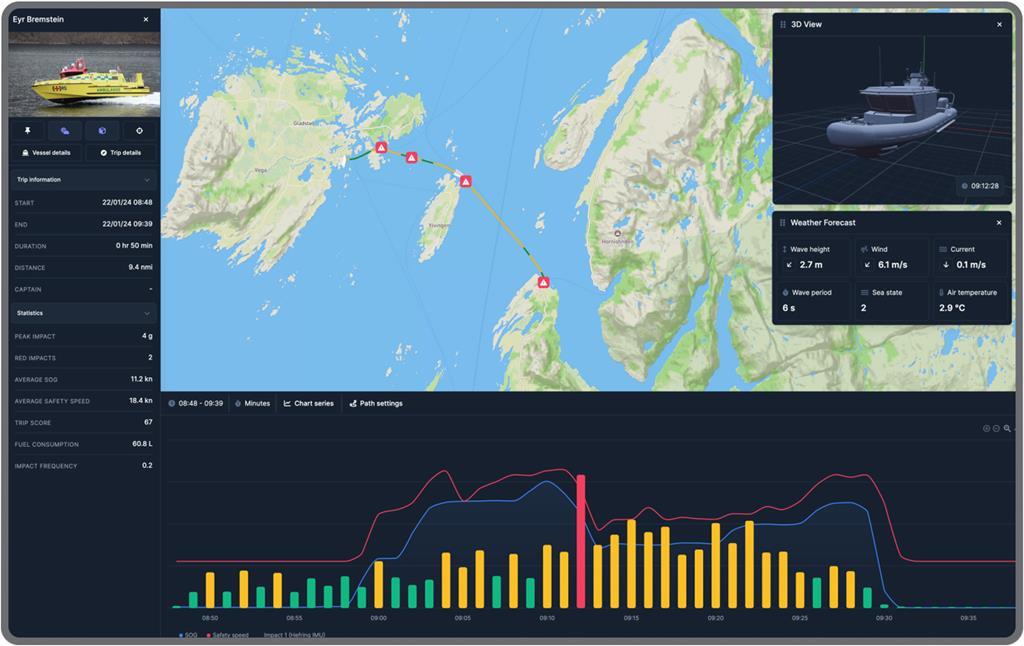 (Photo: Hefring)
Similarly, systems such as SEA.AI – which combines AI with video feeds from mast-mounted cameras to identify objects and hazards in the water – are already proving an invaluable secondary safety measure on vessels, and have become essential kit on ocean-racing yachts, particularly those competing in single-handed events and round-the-world challenges.
Digital assistants are also perfect for aiding in the operation and management of vessels, and particularly yachts. Navica’s marine-intelligence platform integrates every aspect of vessel management, from intelligent navigation with real-time weather integration and smart logbook functions to crew and equipment management, and live monitoring of safety and compliance. It even includes an option to watch its advanced-reasoning engine processing operations as they happen, giving step-by-step decision transparency and no doubt providing a strangely addictive viewing experience.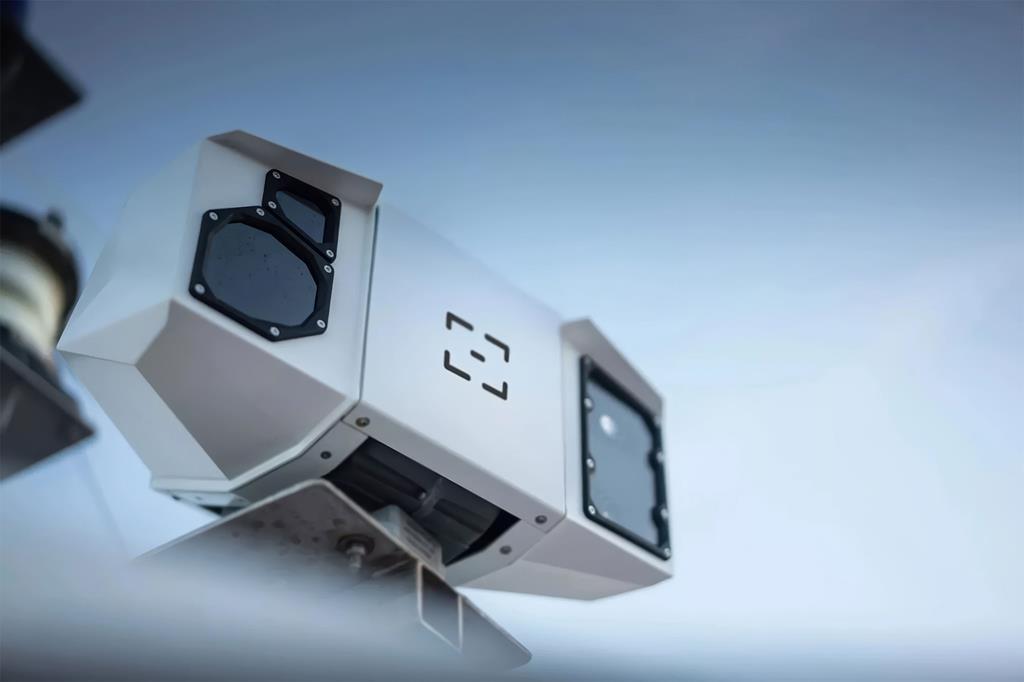 (Photo: SEA.AI)
AI isn’t just set to reshape the operational side of yachting – it has the potential to revolutionise everything from arrival formalities and provisioning to guest-experience recommendations. “It’s all about information,” says Fabrizio Ottoni Limena, CTO at yacht agent Acquera. Limena’s experience includes an early career at IBM before he moved into professional yachting and real-estate management, where he developed concierge bots that have increasingly incorporated AI.
“One of the biggest assets we have is not the AI – it’s our database, which contains everything from our verified restaurant recommendations to the formalities of 200 ports around the world, and curated destination guides,” Limena continues. “But agents can be overwhelmed doing repetitive things, such as sending out information on the best restaurants in Ibiza, for example. So we developed AcqueraPro, based on WhatsApp, which uses AI to understand what the user wants and deliver curated information. It’s a form of intelligent information retrieval and delivery.”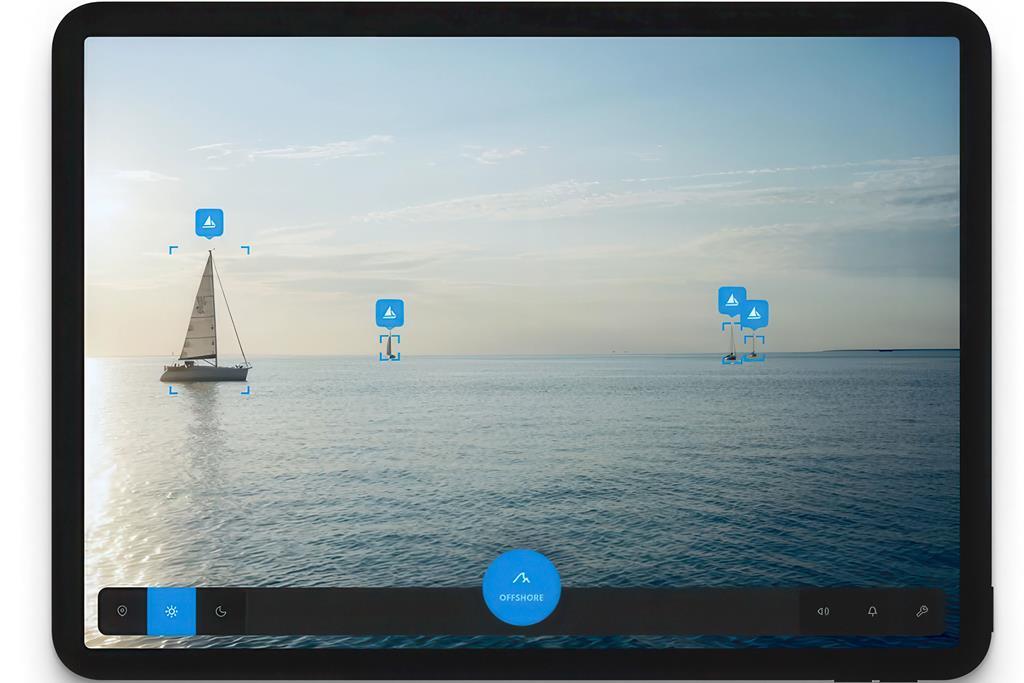 (Photo: SEA.AI)
If that sounds a little impersonal for a sector that strives for ultra-luxe, “seven-star” service, Limena says that’s not the case. “Here’s the thing,” he asserts, “in niche industries, particularly in yachting, AI is not coming to replace the humans who are providing luxury services – it’s coming to augment their capabilities and remove the menial work so that they can be freer to give their personal touch when a service is actually being delivered.”
Perhaps the biggest impact of AI will be felt as owners look to enhance the onboard experience while curbing emissions and reducing energy consumption. Zero – a 68.85m superyacht nearing completion at Vitters Shipyard in the Netherlands – is a prime example of a project looking to put the AI firmly into sailing. Designed to operate solely on renewable energy when away from shore power, Zero will be the world’s first sailing yacht of her size to run without using a single drop of fossil fuel. Energy will be created primarily through hydro-generation while sailing and via photovoltaic-thermal panels set into the fixed cockpit biminis, which will harvest both solar and heat energy.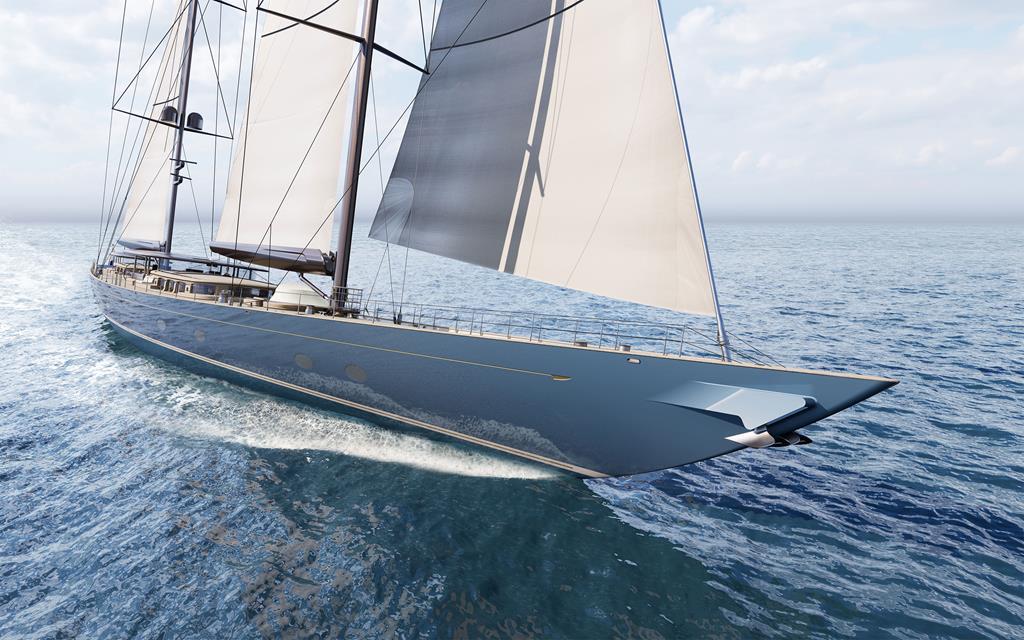 (Photo: S/Y Zero)
The vessel’s goal is full zero-emissions cruising autonomy for up to two weeks with guests on board – an unprecedented feat for a superyacht. To achieve this, an extensive suite of software is being developed to assist with everything from energy monitoring and management to intelligent routing – all designed to optimise sailing time so the yacht arrives at its destination with the highest possible battery charge – and even sail-shape monitoring to advise crew on optimal sail trim.
“We will have all these different systems, and then on top of that will be the ZEM – the Zero Energy Manager, an interactive intelligence on board managing the energy either through automation or by advising the crew,” says Boudewijn van Groos, tech lead and developer for the Zero project. “That might be telling the crew the ideal time to do the laundry or advising them to prepare for a sail to gather energy while the guests are heading ashore.”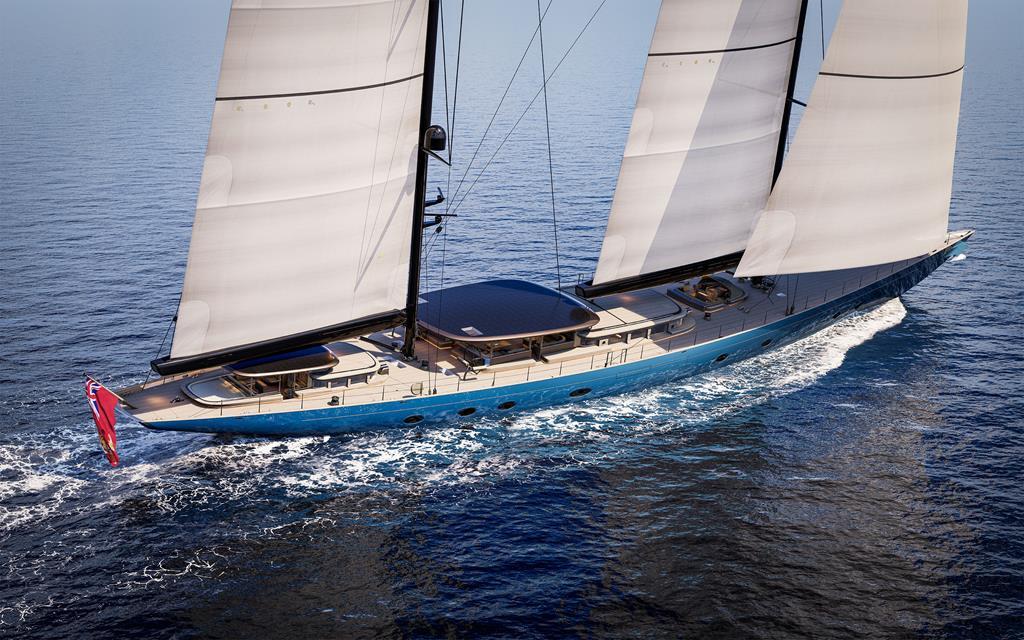 (Photo: S/Y Zero)
While Zero’s AI is almost daunting in its scope, it is by no means the first such system to be developed for a yacht. Seawolf X, a 42.75m hybrid-electric catamaran superyacht launched by Italian shipyard Rossinavi in 2024, features her own system called Rossinavi AI, developed by the shipyard in collaboration with Italian AV/IT and systems specialist Videoworks with input from the University of Pisa.
“We started working on the project in the summer of 2022 and involved the University of Pisa almost immediately to add some proper scientific background to the team,” says Maurizio Minossi, CEO of Videoworks. “Additionally, they gave a very valuable contribution by creating a digital twin of the yacht, which was very useful in the first steps of development.”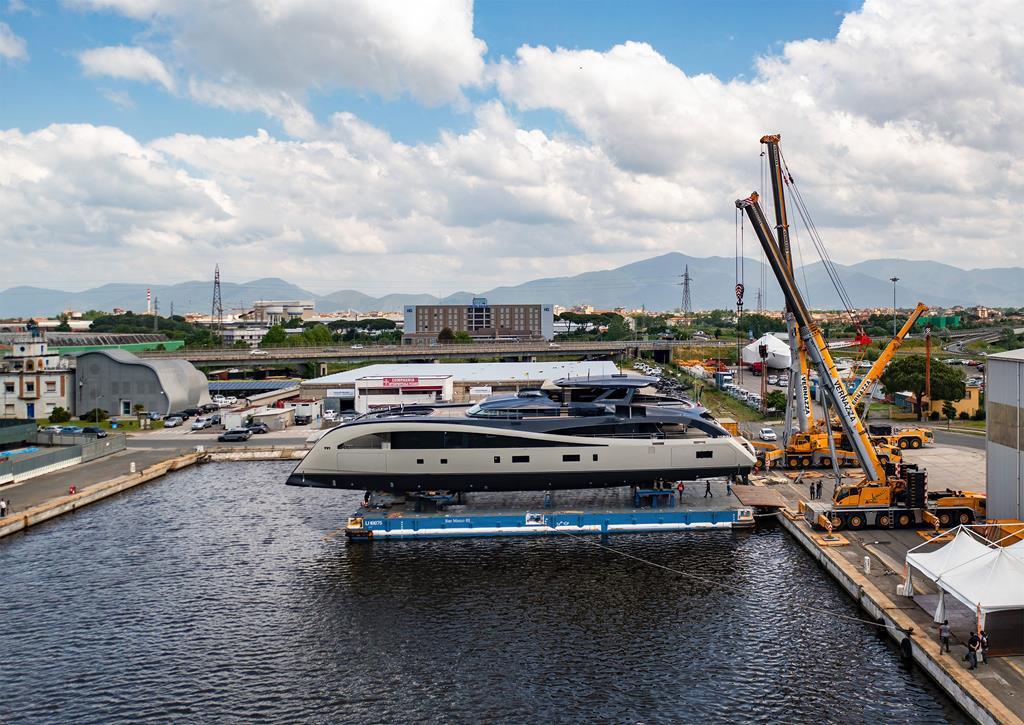 (Photo: Rossinavi)
Sergio Saponara, director of the Department of Information Engineering at the University of Pisa, adds, “On a yacht, you have a lot of very high-tech systems, each optimised and each with sensor actuators. The idea is to create a sort of manager that grabs the data coming from the different subsystems and, thanks to the use of AI algorithms, gives it added value in terms of monitoring and control.”
That data, according to Rossinavi, amounts to nearly 80 gigabytes every 24 hours, which can be handled either through new ultra-high-bandwidth internet services such as Starlink or OneWeb or, thanks to advances in processor power, locally through edge computing, which also ensures data privacy and security. “When we built our first experimental yacht, we equipped it with extensive sensor systems to collect every piece of useful information for performance improvement,” says Federico Rossi, COO of Rossinavi. “However, we quickly realised that the amount of data was overwhelming – far more than what we could manually process or interpret.”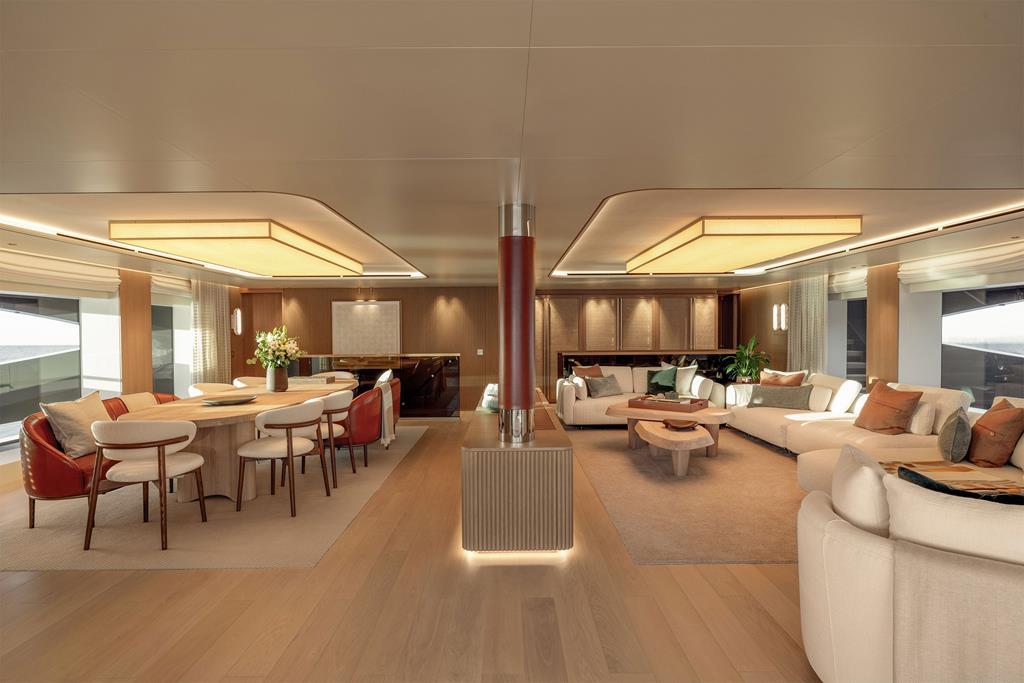 (Photo: Rossinavi)
The turning point came with the introduction of AI algorithms. “We understood that data structuring and pattern recognition were core strengths of AI,” Rossi explains. “That realisation became the foundation of our AI integration strategy. We focused our efforts particularly on power management, then we began to identify predictive insights – opportunities to optimise energy consumption, both for propulsion and navigation, as well as for hotel functions and onboard systems.”
One of the main challenges was translating real-world maritime experience into meaningful AI applications aboard yachts. “We had to work on two levels: first, the silent integration, where AI operates in the background, optimising systems without disrupting the user experience,” Rossi says. “Then, we had to develop the experiential side – making the benefits of AI tangible and understandable for the owner or guest so they could truly perceive that they are on board a technologically advanced, intelligent vessel.” Part of this involves the AI constantly analysing how the ship functions, learning from behaviour observation and then predicting the needs of guests on board. It can even be gamified to encourage energy reduction among guests.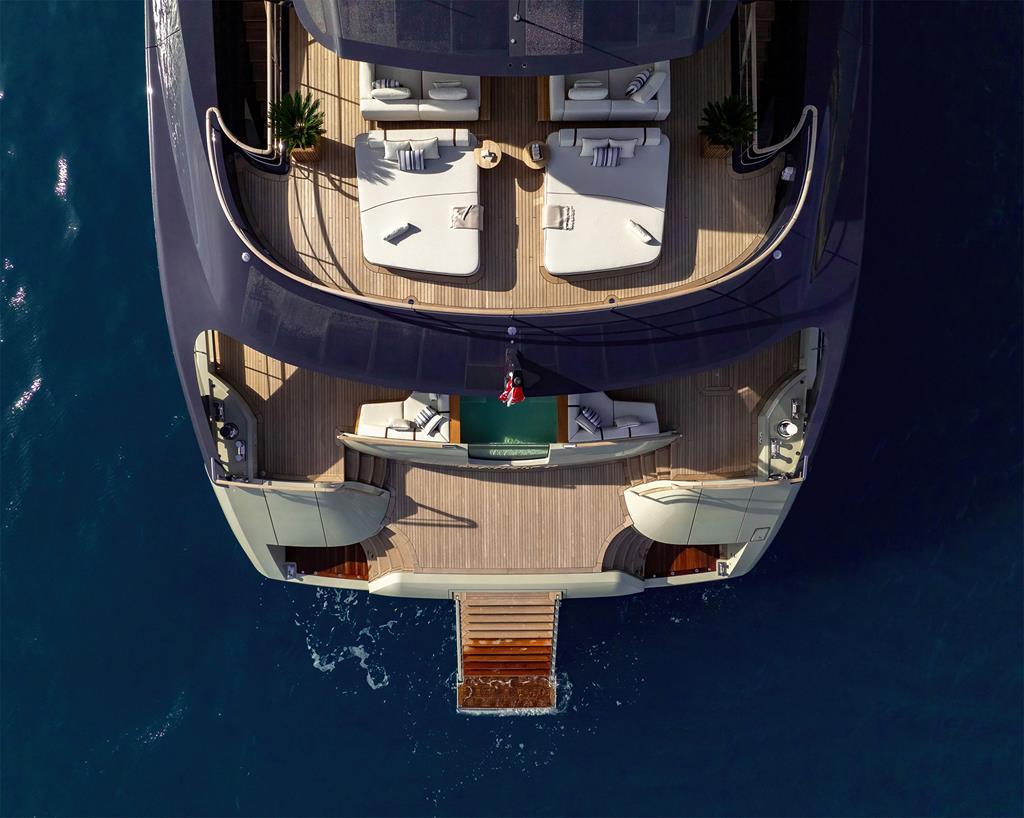 (Photo: Rossinavi)
For those worried about security – a critical factor for superyacht owners and guests – Next Yacht Group has recently introduced its own version of onboard AI that essentially borrows from edge-computing principles to allow guests and crew to interact with a yacht’s systems without relying on an internet connection. The Next AI-Integrated System was developed in partnership with Italian company AI Technologies and integrated with onboard systems by YES Group. It serves as an AI assistant, allowing passengers to interact with all of a yacht’s functions, from lighting and climate control to accessing system data such as fuel levels, system alarms and maintenance schedules, safe in the knowledge that all data and processing is happening in a secure environment on board.
“For the owner, luxury means simplicity and control,” says Giorgio Mattei, deputy chairman of Next Yacht Group, which produces the AB Yachts and Maiora brands. “We’re offering an assistant that works anytime, anywhere – even in the middle of the ocean, without internet – safely, continuously, and reliably. Our approach is local-first, and in our development roadmap, we plan to introduce new features and services such as always-on voice activation with a dedicated wake word and predictive maintenance.”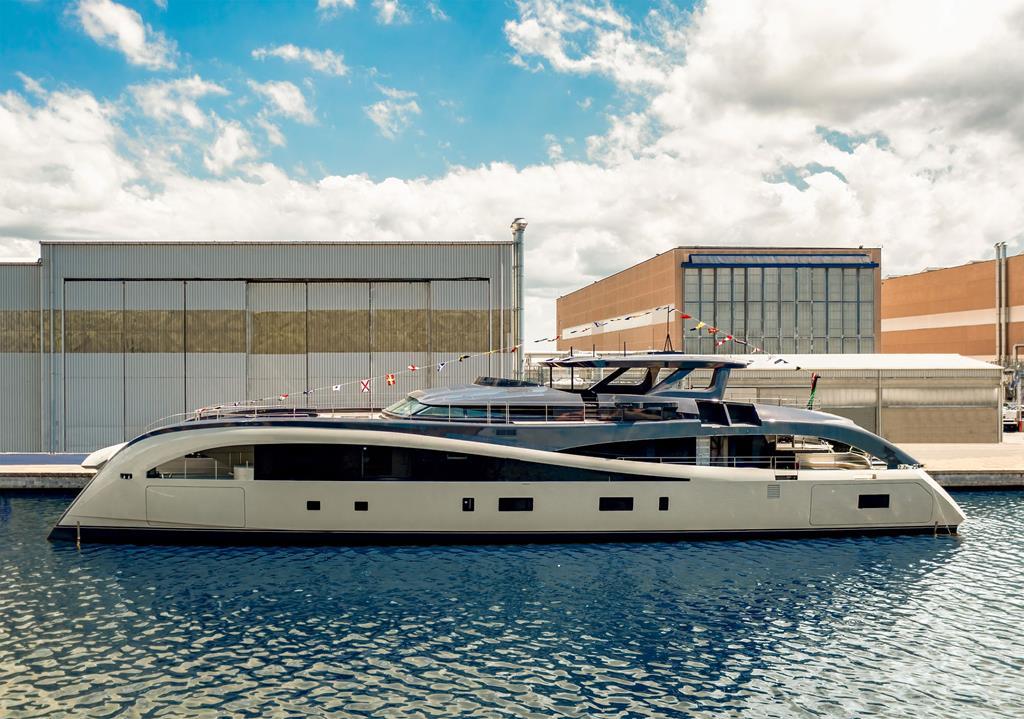 (Photo: Rossinavi)
As AI continues to develop, Federico Rossi hints at far more radical future applications in yachting. “I believe the next major development for us will be the integration of AI with robotics,” he offers. “That’s where we see the potential for transformative change in how certain onboard operations are supported or automated, opening a new frontier in both efficiency and onboard experience.”
If you’re thinking that strays perilously close to where we came in – with HAL 9000 and The Matrix – Rossi has some words of comfort. “Generally, clients are open to the idea of AI on board, as long as the AI remains functional, non-intrusive and clearly improves the onboard experience,” he says. “Of course, there’s still some hesitation linked to the stereotypical view of artificial intelligence – that it might become autonomous, develop a mind of its own or replace human decision-making entirely. But in reality, that’s not the case. AI on board is a supportive tool,” he concludes, “not a substitute for human control. It works in the background, enhancing efficiency and comfort without disrupting the user’s sense of command or safety.”