Cape Town in Bloom
With a cutting-edge creative scene to match its eternal coastal charms, South Africa’s southernmost metropolis is fast becoming a must-visit.

One thing Cape Town does not lack is natural beauty. Even if you’ve never been, you’ll instantly recognise its heart-stopping landscape: the majestic, flat-topped Table Mountain cascading down into a city surrounded by dazzling blue waters. But don’t mistake it for just a pretty face. “Cape Town’s beauty is undeniable – but it’s the deeper layers that truly captivate,” says Elana Brundyn, art entrepreneur and founder of Brundyn Arts & Culture and the Art House Collection. For a glimpse into the city’s flourishing creative scene, stop by the downtown area on the first Thursday of the month, when the monthly “First Thursdays” commence. Once a modest event where a handful of galleries opened their doors until late, locals now swarm the streets, hopping between galleries, pop-up events, live DJ booths, restaurants and street stalls. It’s a window into how the city’s creative scene has surged.
“There’s this definite emergence of [creative] activity in Cape Town,” says Gareth Pearson, co-founder of First Thursdays and Cape Town Furniture Week, a 2023-founded annual design fair. “A lot of young, emerging designers and brands are starting things in the furniture and homeowner space.” With more foot traffic to the city than ever before, it makes sense that creatives are capitalising on this. According to South African Tourism, the region welcomed 1.4 million tourists in 2024 – a seven per cent jump from the 1.3 million visitors recorded in 2023. In 2025, British Airways has launched more direct flights to the city during the high season (late October through January), and United and Delta both operate direct flights from the US.
In the past, most travellers would come to Cape Town to escape winter in the northern hemisphere – to climb the mountains or laze on its pearly white beaches. But lately, more visitors are drawn by the remarkable food and design. The city has emerged as a gastronomic hot spot, with chefs nailing both foreign and local cuisine. Its design credentials are impressive, too, having been listed as the World Design Capital in 2014 and home to the largest art fair on the continent as well as two annual design weeks. “It’s evolved into a truly dynamic and globally connected city,” says Brundyn.
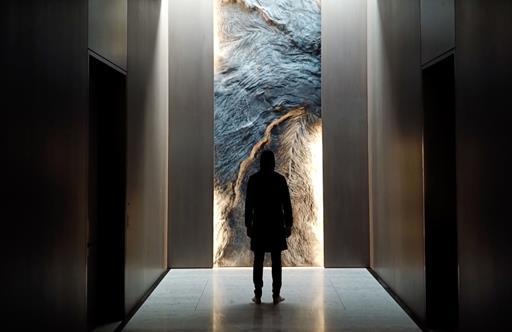
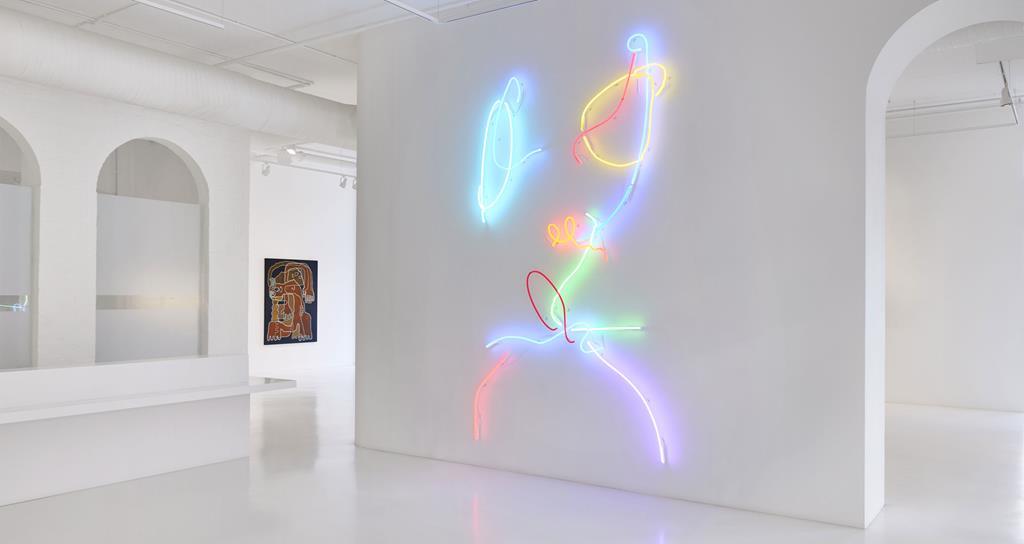 Copyright: Hayden Phipps/Southern Guild
Since launching Art House Collection, a portfolio of rentable art-forward homes and villas with many properties in the region, Cape Town-based Brundyn has seen her client base change. “We’re seeing longer stays and a growing number of international visitors, particularly from the USA,” she notes, adding that more people are also travelling here during the low season, as an add-on to a safari. “It reflects the city’s growing appeal as a year-round destination.” Even when the weather is glum and rainy (often the case in winter), there’s plenty of gallery hopping to do.
The Zeitz Museum of Contemporary Art Africa, set in an old grain silo, has become one of the country’s most important institutions, showcasing artists such as Yinka Shonibare and William Kentridge. But there are other, smaller, influential homegrown galleries, too, including Southern Guild, a contemporary art and design gallery (with a very good shop), and the Goodman Gallery, which has been instrumental in shaping South African art.
Every year, three major fairs commence: the Investec Cape Town Art Fair, Design Week South Africa and Cape Town Furniture Week. “There’s such a wealth of talent and creativity and people who are making the most incredible stuff,” says Zanele Kumalo, curator for Design Week South Africa, which takes place in Cape Town and Johannesburg. With so much good local design to gawk at, more studios are finding ways to showcase their pieces: on Harrington Street, design brand Bofred recently opened a store featuring its sculptural furniture, and in the suburb of De Waterkant, luxury furniture maker Pedersen + Lennard unveiled its first brick and mortar showroom.
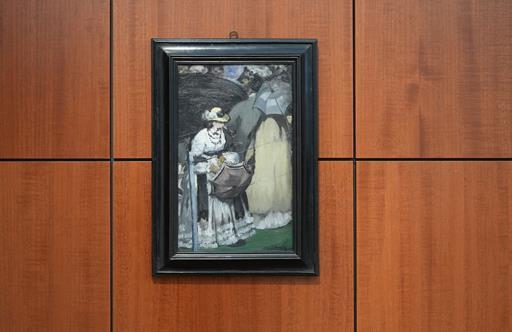
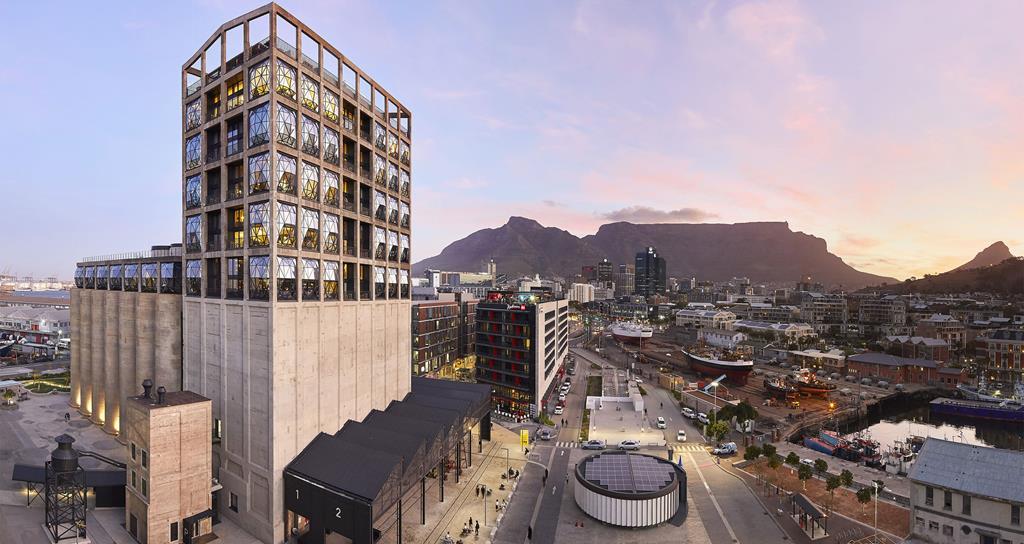 The Zeitz Museum of Contemporary Art Africa (Copyright: Hufton+Crow)
With travellers coming in droves, restaurants are now being recognised, receiving global accolades which would have been inconceivable a decade or so ago. “The international recognition isn’t an overnight success,” says Absie Pantshwa, operations director of Edge x Vue and Mlilo restaurants. “It’s been a long time coming.”
Helmed by Zimbabwean chef Vusi Ndlovu, Edge x Vue is at the forefront of pan-African cuisine, serving up riffs on traditional food from around the continent. Expect delicate plates of dombolo (steamed bread) and mackerel with jollof rice served on a sunny rooftop with rattan-backed chairs and city views. Restaurants such as Salsify, Fyn and La Colombe have all made it onto the extended 50 Best List over the past few years, which is a major accomplishment considering South Africa isn’t recognised by the Michelin Guide.
“There’s fantastic diversity, and while we’re slowly but surely crafting our own culinary identity, there is an array of incredibly talented chefs all helping to develop it in their own way,” says Peter Tempelhoff, chef and founder of Fyn and Beyond. At the former, one of the city’s most lauded fine-dining restaurants, patrons dine in a slick glass-fronted room with views overlooking Table Mountain. The menu is a Japanese-meets-South African affair – think local kingklip with daikon dashi. “It’s also a city that offers exceptional value for money, which naturally makes it an attractive destination,” adds Tempelhoff.
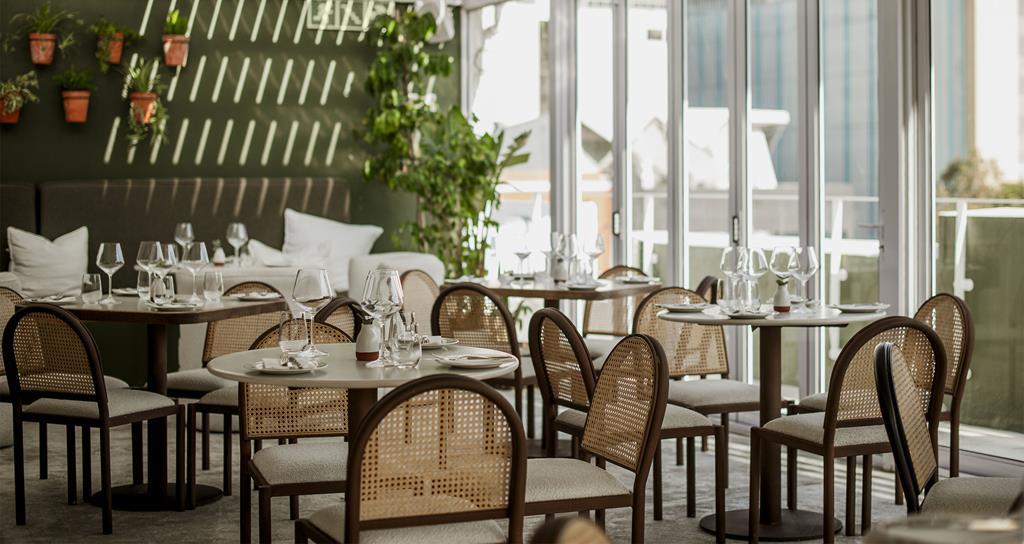 © Edge x Vue Restaurant
Finding a good tasting menu in Cape Town is as easy as stumbling upon a good beach, but the same goes for casual joints frequented by locals. At the cult cafe Arthur’s Mini Super, tucked off the main road in the chic suburb of Sea Point, Capetonians stream in for their daily flat whites. Ouzeri, a Greek restaurant that looks like a taverna in Mykonos with white walls and mismatched cushions, is where chef Nic Charalambous puts spins on Greek classics, such as halloumi from a nearby farm. Here, foreign accents are drowned out by South Africans. One of the newest offerings is Ongetem from renowned chef Bertus Basson, who has a string of spots in Stellenbosch as well. Set inside the new Canopy by Hilton Cape Town Longkloof in the centre of town, wood-fired steaks and flatbreads are served in a casual brick-clad space with leather booths.
The hotel landscape – once dormant – is now swiftly catching up with the restaurant boom. For years, foreigners arriving in Cape Town would check into Belmond’s Mount Nelson hotel or Ellerman House – two of the city’s most illustrious hotels, both (weirdly) set in pastel-pink buildings. It’s clear why they’re loved: Ellerman House, which is carved into the mountain, has jaw-dropping views of the Atlantic, and Mount Nelson, which celebrated its 125-year anniversary last year, tumbles onto a giant lawn with a fountain and pool fringed with pink sun beds. They remain the grandes dames of the hospitality scene, but new contenders have been trickling in.
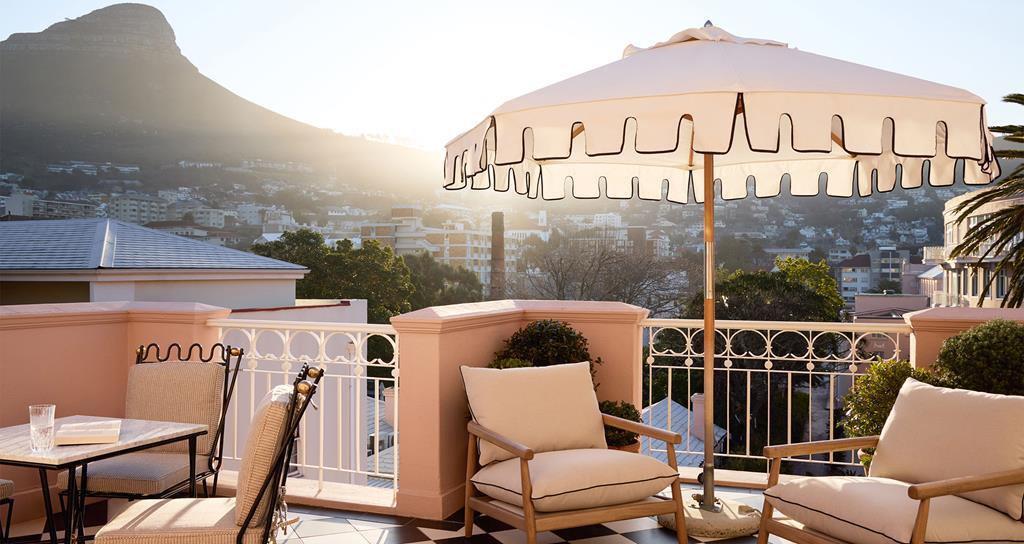 Belmond Mount Nelson (Copyright: Inge Prins)
The Dorp Hotel – a collection of white buildings spread across the foot of Signal Hill, where the city’s lights blink below – has arguably the best city views, with rooms that look like they’ve been plucked out of the English countryside (think raffia rugs, pastel-green and pink shutters and clawfoot bathtubs). The family-owned Sabi Sabi Collection, known for its properties in the Greater Kruger National Park, has opened The Claremont Boutique Hotel in a Cape Dutch-style 1920s manor house in the Southern Suburbs. In the pipeline, a 127-room Mama Shelter hotel from Ennismore is set to open its first hotel in Africa in the city centre in 2026. From Kove Collection, which already has The Marly in Camps Bay and The Alphen Hotel in Constantia, comes The Cole, a sharp 60-room property with views of the ocean and Lion’s Head, that will be unveiled in buzzy Sea Point by the end of the year. “The Atlantic seaboard was a dead space,” says Mitch Terry, sales manager of the Kove Collection. “Now it’s the hot spot.” With more people travelling to the city year-round, it makes sense for this homegrown brand to expand. “They are realising there’s another side to it.”
With all these new developments, it would be easy to assume that Cape Town has totally transformed. But the truth is that it hasn’t – it’s just that there’s so much more to do and see. What drew people to the city in the first place – those dramatic mountains and creamy beaches – is still there. In fact, Brundyn’s favourite thing to do to soak up the scenery is to take a drive along a winding road, wedged between the dramatic mountains and the Atlantic Ocean, where a coffee truck parks each day. “I pick up an espresso and a traditional rusk (breakfast biscuit), stand at the edge of the world, and take it all in.”
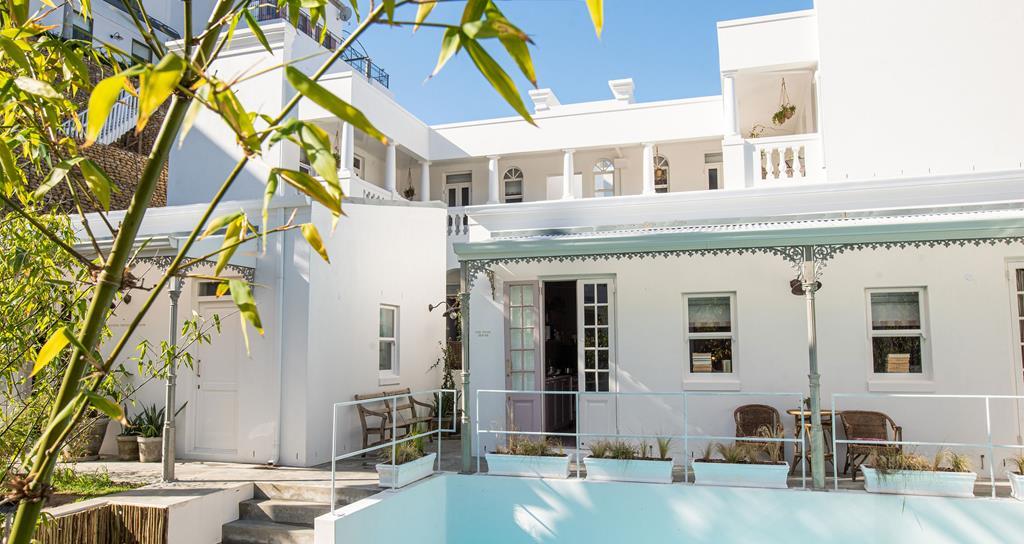 The Dorp Hotel (Copyright: Claire Gunn)
Weekend Escapes
Two easy-going destinations in the city’s pretty surrounds
Paternoster
Two hours north of Cape Town, this tranquil coastal fishing village is dotted with seafood-forward, whitewashed restaurants such as Wolfgat, an award-winning spot set in a tiny sea-facing cottage, and Dispens, the chef’s other, more casual restaurant with a quiet, plant-filled patio. Spend the night at the Strandloper Ocean Boutique Hotel, where modern fisherman‑cottage‑style rooms have decks that roll onto the pearly beach.
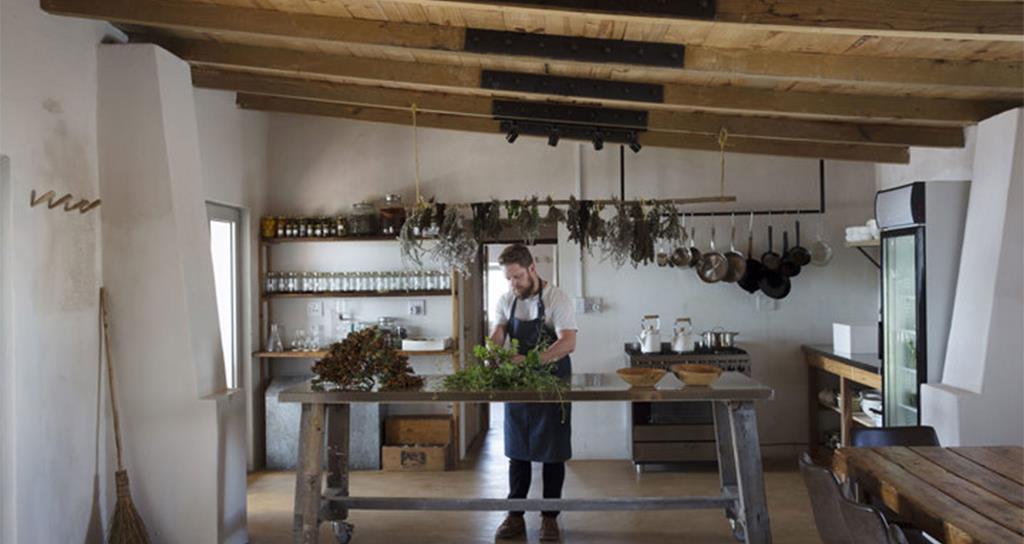 Wolfgat (Copyright: Jac de Villiers)
The Winelands
A weekend escape to the Winelands takes travellers to Franschhoek and Stellenbosch, with fêted wineries and chic farm hotels. Check into Babylonstoren, a collection of converted Cape Dutch cottages and striking new buildings filled with stark white furniture. Or consider Sterrekopje, where guests stay in plush, colourful suites with thatched roofs. Pick up gorgeous handcrafted handbags from Okapi before grabbing dinner at Jan Franschhoek at La Motte wine farm from Michelin-starred chef Jan Hendrik van der Westhuizen. In March 2026, the Winelands will host the first-ever African edition of the Montreux Jazz Festival.
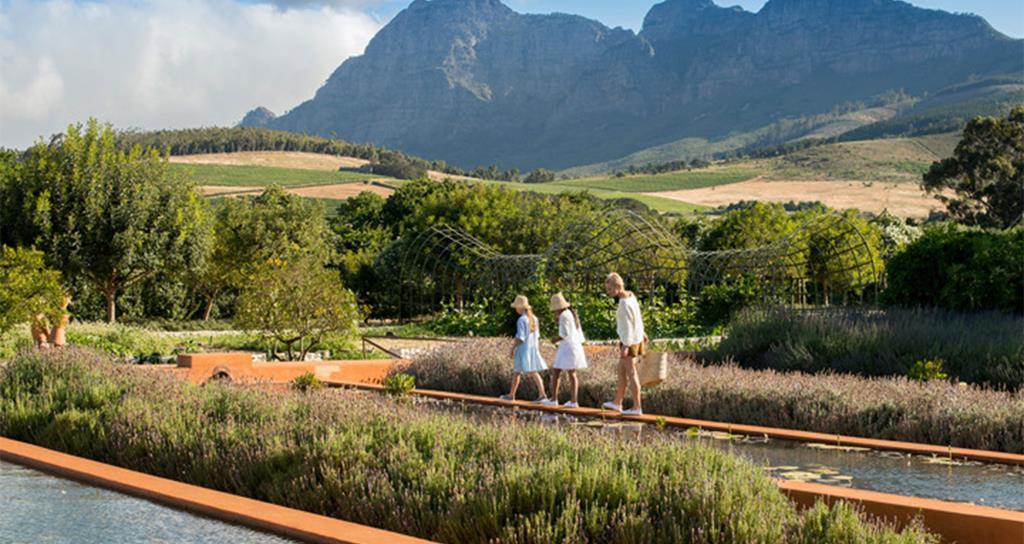 Babylonstoren
Header image Copyright: Claire Gunn