Whisky Now?
An exclusive interview with collectable whisky expert James Mackay, who talks about the tumultuous market over the past few years, the parallels between whisky and wine and why now is the right time to start his new private whisky cask programme.

There are few people in the industry who understand the market for rare whisky better than James Mackay. Having spent three decades working with the spirit in both Europe and Asia – including as global private client director at Diageo – he has sold some of the most expensive whiskies ever and worked closely with some of the world’s most prominent collectors.
Earlier this year, Mackay launched Artisan Casks, the new private-cask programme under the umbrella of The Artisanal Spirits Company (known, among other things, for owning the Scotch Malt Whisky Society). The programme is focused on rare casks – they work only with specimens that are 20-plus years old – and they guarantee impeccable provenance and quality, as well as an owner experience that’s second to none, from privileged access to distilleries to special events and a range of bottling opportunities.
The market for high-end whisky has been up and down over the past few years, but Mackay remains bullish on the long-term viability of whisky – especially for those who enjoy not just the craft of the whiskies but also the joy of tasting history with others.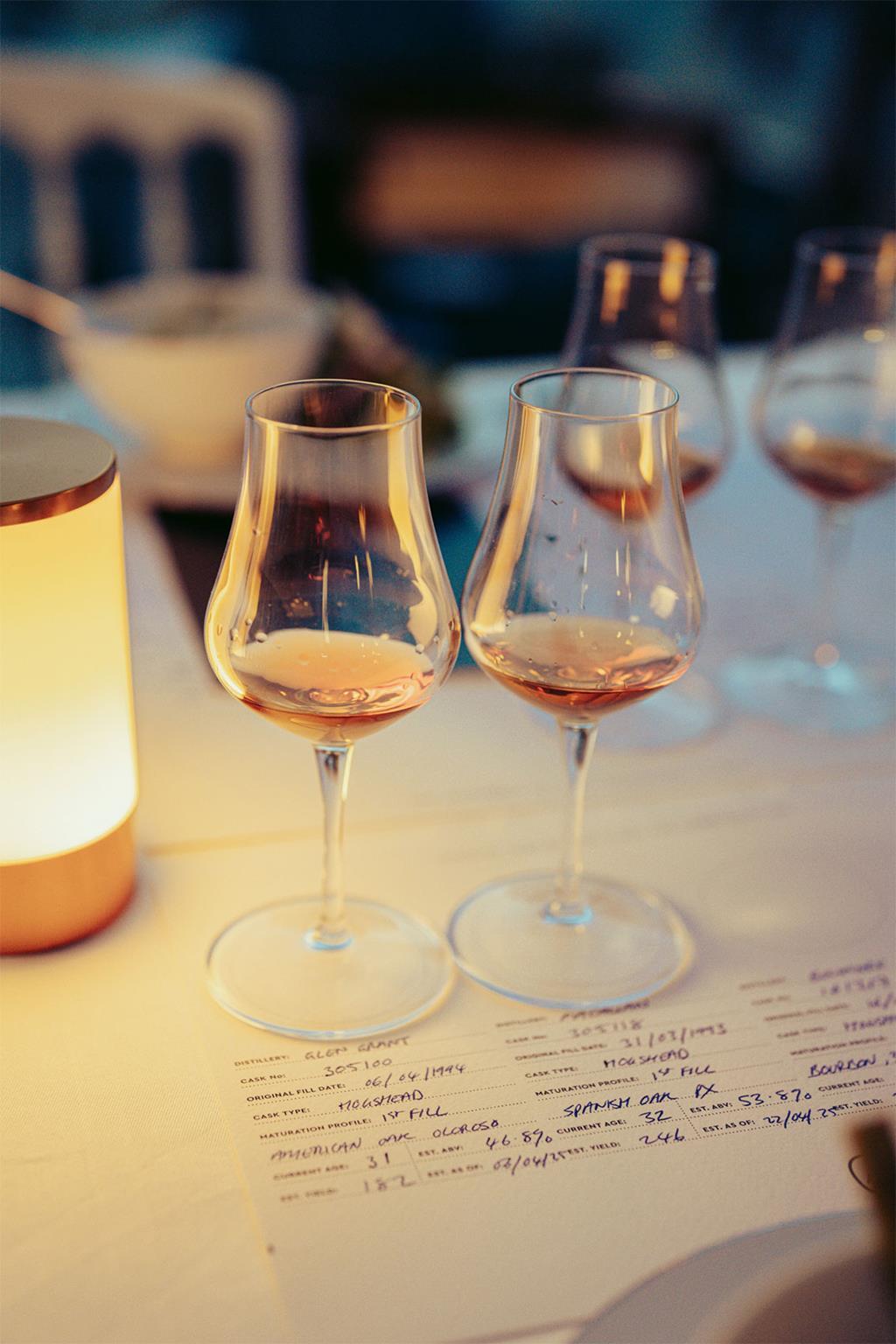
Centurion: Why is now the right time to start Artisan Casks?
James Mackay: With the Artisanal Spirits Company, I was immediately struck by the opportunity to create a very special kind of cask programme, one that is properly artisanal as well as offering a truly personal experience. This was informed by nine years of conversation with private cask collectors, listening to what they liked and wanted. We see a market for an exclusive community of whisky lovers with a discerning appreciation for the finest craftsmanship and luxury experiences. We have the inventory, the technical artistry, the infrastructure and the network to bring people together over a shared love for exceptional casks of impeccable provenance.
Many people ask, “Why now, during a market downturn?” But high-end whisky isn’t a fad that’s come to a close; it’s simply the market reaching a point of maturity. IWSR [a global beverage-market analyst] is still projecting continued growth, albeit at a more modest rate than before.
I’m very gratified to note that interest in cask ownership is as strong as it has ever been – particularly at the luxury end of the marketplace when cask ownership is combined with networking and exclusive luxury owner experiences. The Artisanal Spirits Company, being a business founded in hospitality through its ownership of the Scotch Malt Whisky Society, is set up to deliver on this with a similar standard of professionalism and personal service the cask owners are used to in other areas of their lives. 
The market for collectable whisky has been volatile lately. What trends are you seeing?
It feels like the market for collectable whisky is getting back to normality, to those pre-pandemic times. With hindsight, the contraction in 2023/2024 was an inevitable correction to the excess that occurred between 2019 and 2022. In terms of current trends, it feels as if rare, collectable whisky is becoming more and more part of the established repertoire of the connoisseur; it’s earned itself a firm place alongside fine wine, champagne, watches and so on. As such, I see rare-whisky collectors opening bottles as a regular part of their entertaining and gifting lifestyle, rather than simply holding them while watching their values rise. This trend really started during the pandemic lockdown, but it looks set to continue.
It’s a buyer’s market now: prices are significantly lower than during the 2019-2022 peak, so there is certainly plenty of value to be found. This applies to both the newest releases as well as releases bottled in previous years that are still available. As always, I would advise buyers to trust their instincts and to taste before buying something, to ensure that they know it is something that will bring them great pleasure, regardless of prevailing market prices.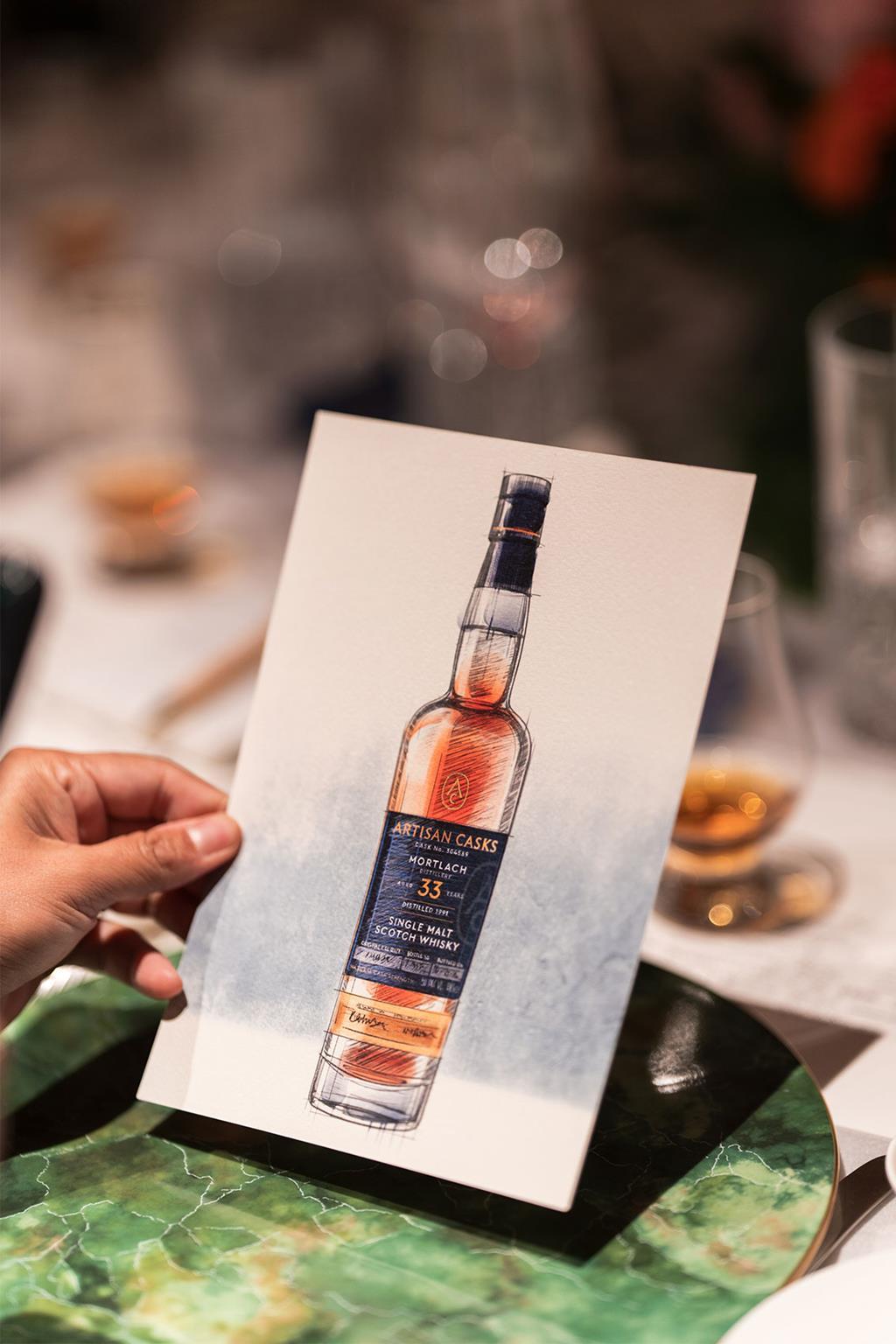
How have private clients evolved over the past decades?
When I started in wine and spirits in the early 1990s, rare-whisky collectors were really a small niche of hobbyists, primarily interested in consuming for their own interest and enjoyment. Typically, they were a very sophisticated and knowledgeable community who would meet regularly at whisky fairs; back then, the term “private client” might have been applied to fine wine, but very rarely to whisky.
From 2012 onwards, we’ve seen rapid growth of the high-end whisky market, with single malt being viewed more similarly to the world of fine wine. With that came a new breed of clients acquiring large volumes of rare whisky to hold in their cellars as prices appreciated. The pandemic and lockdown were the impetus for these collectors to begin consuming and sharing their whisky collections with like-minded souls, rather than just acquiring. Post-pandemic, the mindset of my private clients has evolved into one where gifting and entertaining with rare whisky has become a key part of their social and business lives and a primary motivation for the purchase of private casks.
During these last 30 years, I’ve also witnessed an increasing diversity of the profile of the whisky collector with significantly more female and younger participation, particularly in Asian markets.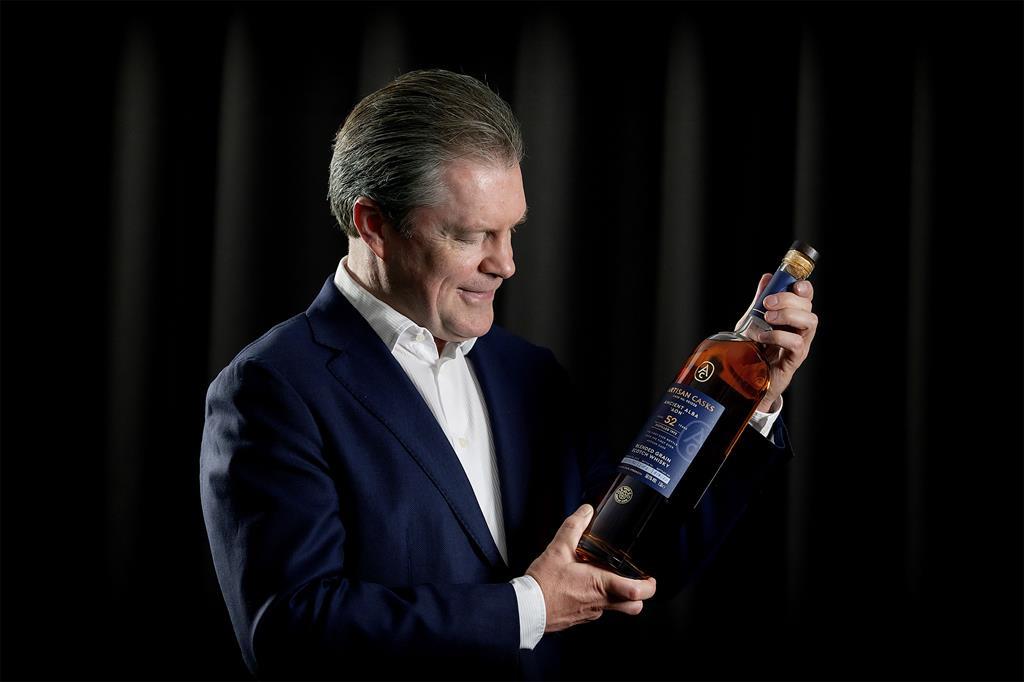
You’ve spent a lot of time in both Europe and Asia. Are there still significant regional differences between the attitudes of collectors?
Generally, the community of rare-whisky collectors is a global one – I see them meeting each other at the regular events I host, and it’s remarkable how a shared passion for fine whisky can transcend differences in age, culture, gender and background. That said, I do see more diversity in the “newer” markets such as Asia, where whisky has fewer pre-existing stereotypes as compared to traditional markets such as Europe. In these newer markets, collectors are often more adventurous; for example, jumping straight into heavily peated styles of whisky that previously may have been seen as an acquired taste for seasoned experts only.
Images: © Artisan Casks, Joel Lim