New Worlds of Tailoring
Now extending far beyond the hallowed ateliers of Savile Row into new sartorial capitals like Singapore and itinerant studios the world over, today’s tailoring caters to a fresh breed of fabric-savvy client ready to move past the constraints of their grandfathers’ suits.

We may never lose the connotations that give weight to the word “tailoring”. And why would we want to? They’re evocative, romantic and reassuring. There’s the Savile Row of two centuries ago, with its anachronistic Regency-era Beau Brummell-style hyper-masculine menswear codes, flipping the bird to the powdered wigs and flamboyance of the hommes of Paris. That olde world of dark wood panelling and leather-bound swatch books of tweeds continues to seduce. But tailoring isn’t static. Unlike the ever weirder world of high fashion – redesigning its product twice a year and allocating fortunes to sell merchandise over actual clothes – authentic tailoring is still about the making of beautiful suits. It is also, in the 2020s, developing fresh twists and becoming more international in nature, thanks to an ever-growing number of independents.
When Edward Sexton died in London in 2023, his passing closed a chapter in the history of British tailoring. He was the man holding the shears behind Tommy Nutter in the swinging 1960s. His rock’n’roll bespoke was worn by The Beatles, Mick and Bianca, Hockney and Warhol, and in recent years, Harry Styles. The most senior cutter at Sexton – still an ongoing concern under new management on Savile Row – was Nina Penlington, who started her career over 15 years ago with an apprenticeship at Dege & Skinner before moving to Gieves & Hawkes. Now she has left the Row entirely. Her current studio is in Devon, just outside the English Riviera. “I’m in Budleigh Salterton,” she tells me, “a funny little seaside town that’s only ever been referenced in episodes of Blackadder and Poirot. I could have stayed in London, but this is where I live now, and 90 per cent of my clients are in the States. Being in Mayfair didn’t make a great deal of sense. I also like to walk from my studio and swim in the sea every day, summer or midwinter.”
Penlington left Sexton with an incredible client list and a style honed at the edgier end of the Savile Row spectrum. She creates tailoring informed by classic western wear, which is nuanced enough to appeal to Wall Streeters as well as rock stars. “Edward gave me the confidence to push my aesthetic forward,” she says. “If someone is coming to me, they want my look.”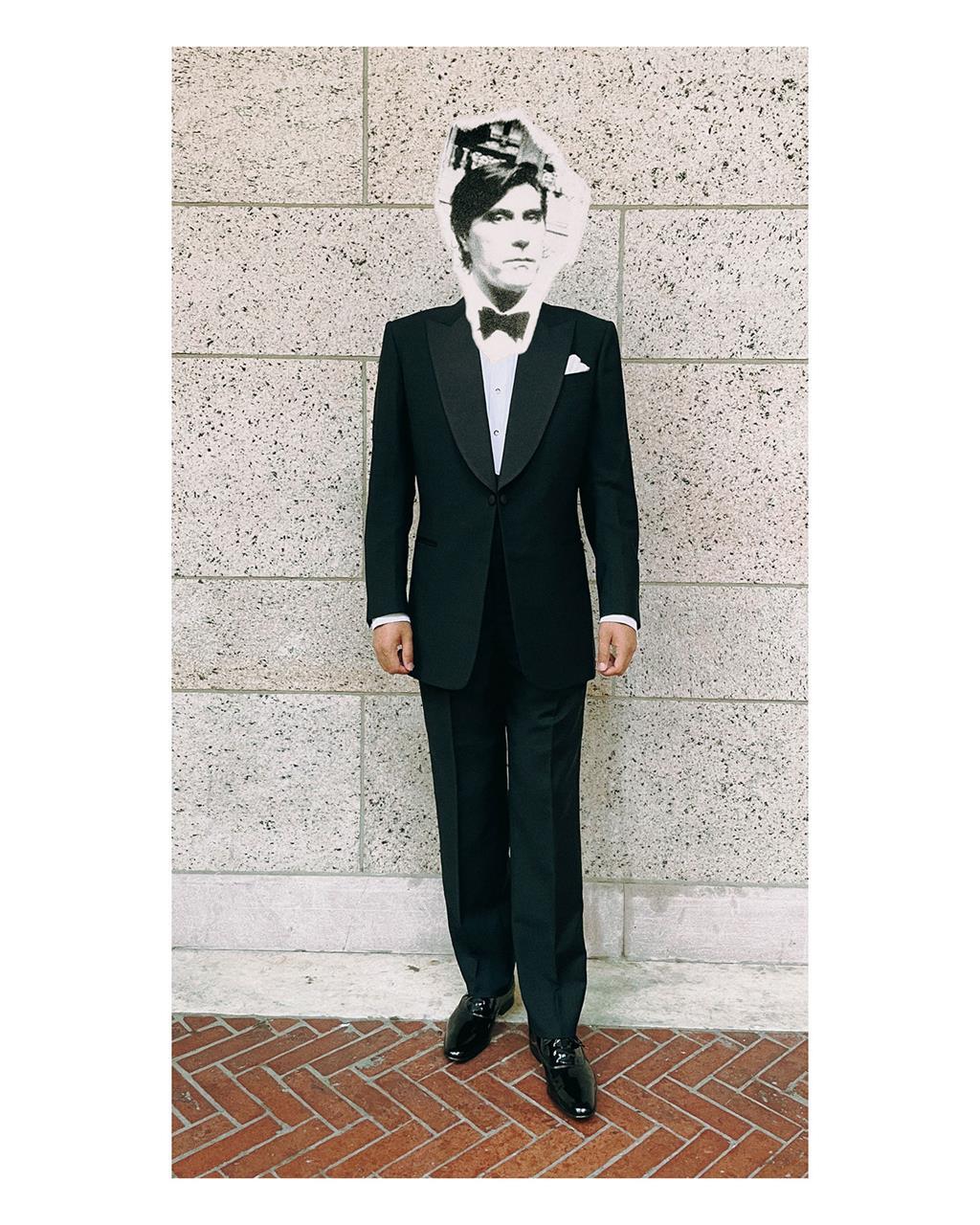
If you think “Elvis” when you hear the term “western wear”, you’re on the money. One of Penlington’s heroes is the tailor Nudie Cohn, who created the iconic gold lamé suit for Presley, as well as various rhinestone-adorned pieces for stage and screen. “Western wear goes back to the days of the wagon trails in the States,” says Penlington. “The workwear that was used was European suiting developed to be heavier. Nudie Cohn and Manuel Cuevas then tailored that into a brightly coloured Hollywood version in the mid-20th century. I’ve stripped it back to the core – a tough twill in beautiful dark navy; subtle details on the yokes; arrowhead stitching on smile pockets. From a distance, it looks like a beautiful Savile Row suit, but up close, you notice accents and details. My velvet suits are really striking a chord at the moment, and my customers are varied, from the Instagram photographer Peter Zottolo to a restaurateur from Wisconsin who drives nine hours to see me when I am in Nashville for a fitting.”
What Penlington is doing with her nomadic trunk shows is fresh, but other tailors have taken inspiration from the same source in the past. When Giorgio Armani died in 2025, tributes were paid to his 1980s take on the soft Neapolitan unstructured cut and how it defined his early era. If you rewatch American Gigolo, the 1980 Paul Schrader film that propelled Armani into the upper echelons of pop culture, you’ll see Richard Gere’s character in quintessentially Armani suits, but there are western-style blazers by Giorgio, too. The nuance of those seam arrangements sits well with Milanese minimalism, demonstrating how a skilled eye and hand can mix details without purist notions of geography. It’s a slick architecture.
When Gianluca Isaia wanted to expand his now 106-year-old family business after taking it over in the 1990s, he wanted to bring Neapolitan tailoring to the world. It’d be tacky to call it a “trend”, but that soft cut – perfected in the 19th century with unstructured shoulders, and the charming, imperfect rippling where sleeves connect with the higher-and-tighter-than-the-norm armhole – has enjoyed a resurgence in popularity in recent decades. It has shifted menswear silhouettes on runways. Now Isaia has 22 shops worldwide, but only 10 per cent of the business is in Italy. The Neapolitan look belongs to the world as the antithesis of the boring business suit. It’s attire for a louche weekend of negroni sbagliatos.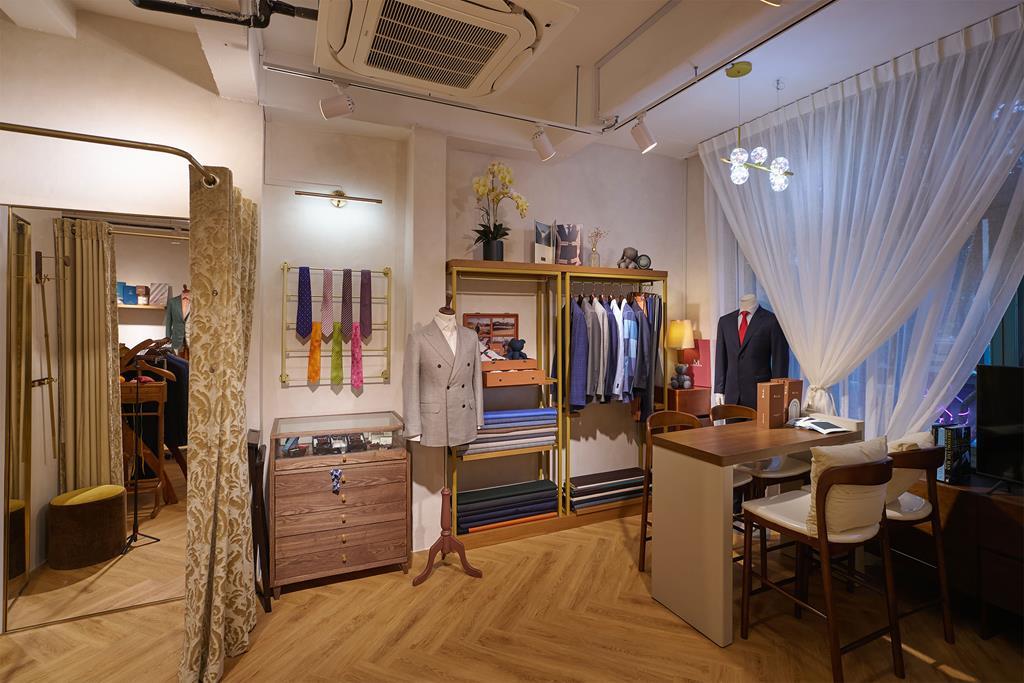
Bricks and mortar still make sense for tailors. While trunk shows take the tailoring to you, many want the grandeur of a visit to a tailor’s HQ. Meiko Tailor was established in Singapore in the 1970s by Chung Chi Kwong and quickly became one of a handful of go-to artisans for the modern businessman. If Tommy Nutter and Sexton were 1960s London, Meiko Tailor represents Singapore in the 1970s – a decade which saw the implementation of Operation Snip Snip, a government directive that fined men for having long hair, and/or having them fired from civil service positions.
In the 2020s, Singapore remains fairly conservative, but Meiko Tailor is developing for a new generation. “We have global customers, and we want a global presence in the future,” says Adele Chung, who joined her father’s business in 2018. “We opened a new retail space at Boat Quay in 2025 because we were getting feedback from younger customers that our main space at Pan Pacific was too traditional. We wanted a place with a lifestyle experiential vibe. We also launched Uncommon Hem, a ready-to-wear brand using surplus fabrics.” The Chungs appreciate that the future is to take their vision on the road: “I used to travel with my dad once a year to Europe to take orders,” says Adele. “We stopped during Covid, and it’s time for us to start travelling together again.”
Singapore and Hong Kong, just like London and Naples, have had a reputation for solid tailoring for decades. Some cities with major luxury markets never quite achieved the same status. When New York boomed in the 1980s, and Armani flooded its high-end department stores with single-breasted herringbone blazers, the key financial players didn’t shop locally: they flew in Savile Row tailors for fittings. The transatlantic traffic for tailoring was a phenomenon. Now, alongside the modern-day trunk show, there are serious contenders in the city, including Alexander Black and Cad & The Dandy. Thom Browne also needs to be acknowledged for his radical re-proportioning of the grey suit. While the Browne business booms on the back of thousands of grey sweatshirts with white stripes, you can still get a phenomenal made-to-measure suit via Browne boutiques in his hometown as well as his myriad stores in China, Japan and Europe.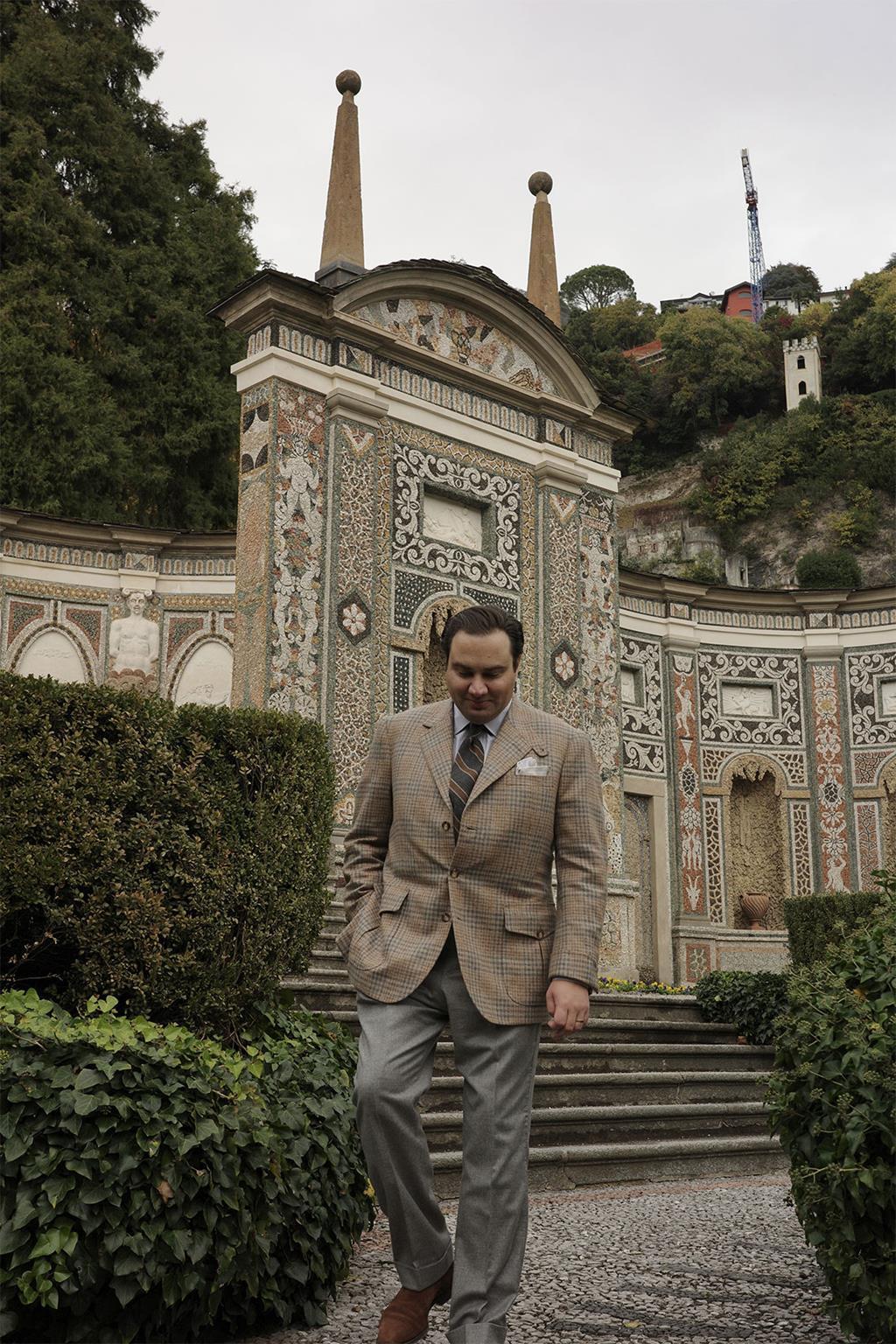
New York City has a small but notable and burgeoning bespoke side. Tailor Paolo Martorano set up his own atelier in 2017 after working as a bespoke specialist at Dunhill. He opened up in a showroom that was once Charlie Chaplin’s apartment. Bookings for his trunk shows across the States are brisk, and there’s a proven market for full-canvassed suits that can take 120 hours to make. “We have clients from different generations within the same family,” Martorano tells me. “The average age of our customers is 45. I call our style ‘New York Refined’ – British-style on the outside, but with a lack of padding in the shoulder and a lightweight canvas that gives a lighter feeling.” Again, a touch of Neapolitan know-how.
Styles in tailoring have developed alongside an increase in men knowledgeable about fabric and construction. The Martorano customer knows what they are paying for, and they are aware that anything off the peg on Fifth Avenue has a mark-up factoring in brand advertising spend and the rent on the footprint of the fancy flagship store itself. As profits in various parts of the luxury market dip, and people become jaded with hikes in price and cheaper, sometimes shoddy manufacturing, many want quality, not a designer label. “When a customer comes to see me, they have often done their research,” says Martorano. “They often know not only the mills they want to see, but the names of the bunches and reference numbers. I don’t imagine that was the case 20 years ago when clients didn’t know anyone other than maybe Loro Piana.”
Great tailors know great cloth and where to get it. It’s another example of how international the tailoring game has become. Loro Piana has been a heavy hitter for years, but so have the weavers in Hawick in the Scottish Borders. Chanel bought the local cashmere mill, Barrie, in 2012, while Johnstons of Elgin is the go-to maker for core product at Hermès as well as tailors like Buzz Tang, who co-founded The Anthology with business partner Andy Chong in 2018, with locations in Hong Kong and Taiwan. Tang – a fresh-faced twentysomething, immaculately dressed in his own suits – spends a chunk of the year living and doing business in London. He has been obsessed with tailoring for decades: “My late uncle was a big customer of The Armoury, and he got me addicted to it.”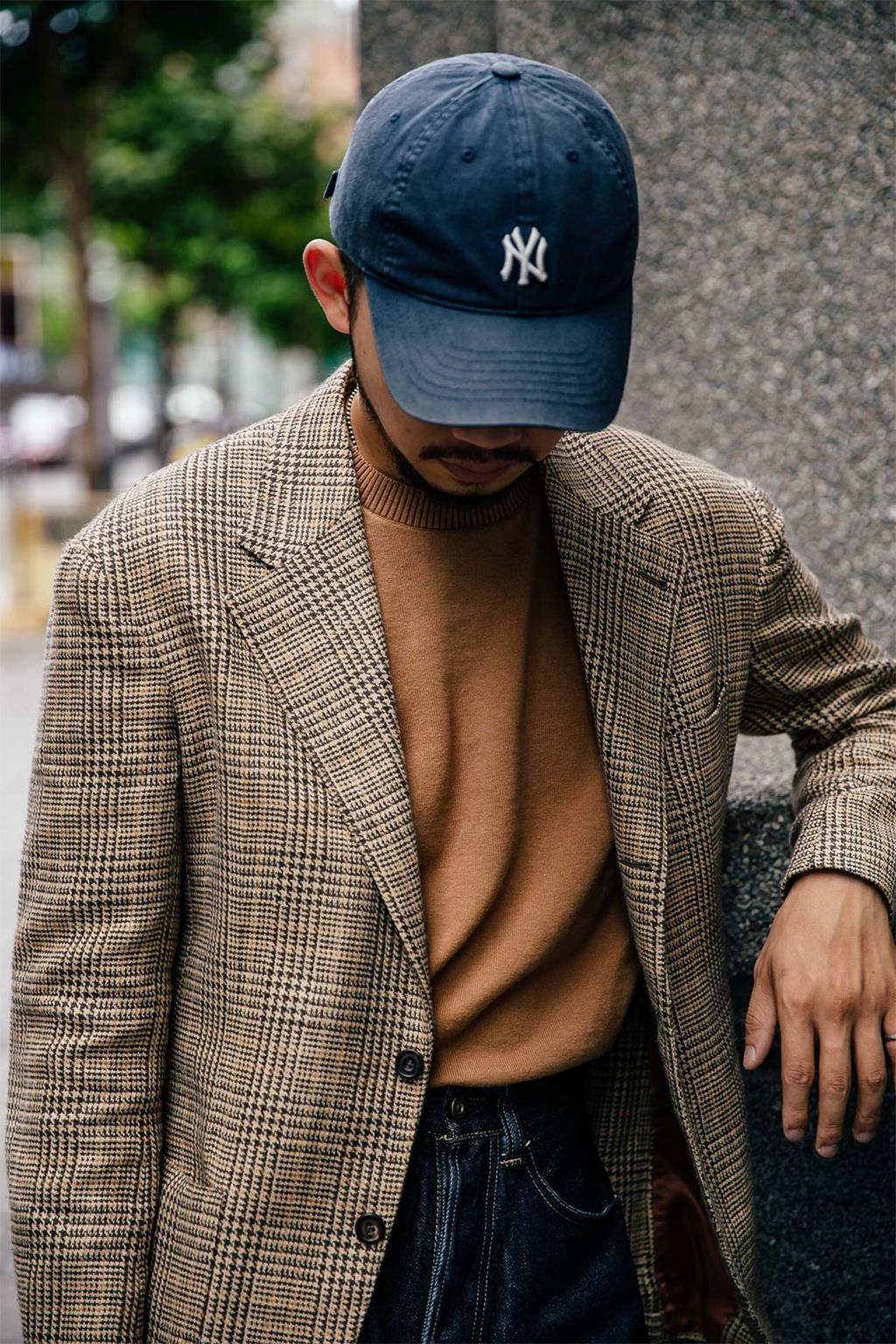
The Armoury changed men’s fashion in Hong Kong when it opened in 2010, bringing European tailors to the city for trunk shows while also developing an in-house line of separates and luggage: a classic men’s outfitter for a new century. Tang studied at the London College of Fashion, and then – by chance – came across a fabric distributor who worked on Savile Row and gave him an apprenticeship. “That’s how I have such a strong industry background in textiles,” he explains. “We can get vintage cloths from mills we have links with and develop exclusive linens. We use Thai and Chinese silks, but for our cashmere, we go to Scotland. I know instinctively when to reach out to one mill over another.”
The tailoring at The Anthology reflects changes in men’s lives this century. We live in perpetual air conditioning and expect the kind of comfort previously only synonymous with sportswear. It’s also all fed through a truly international lens: “We are exploring our Eastern heritage while drawing from softer Italian silhouettes,” says Tang. “I tend not to use the term ‘Neapolitan’ because we are developing our own identity. I like to geek out over the internal construction and the lightness of a garment, but, as a former British colony, we have a tradition of more formal English tailoring that has subsequently been adapted because of the weather in Asia. That said, I am pro-Anglo fabrics because I like the sturdiness and honesty of the cloth. I think juxtaposing them with our softer tailoring spec complements it excellently.”
Chang often travels to Europe and New York for trunk shows and is looking at expanding in terms of physical sites for The Anthology. I ask if he’d open on Savile Row. He doesn’t rule it out, but Shanghai is next. As a nimble independent, he will move where the market is. Meanwhile, back on the Row, new generations of tailors are being put through their paces. 2025 was the 50th anniversary of the Golden Shears Awards, which invites UK-trained talent to showcase a single coordinating outfit that will be judged on design, cut, tailoring and style. Nina Penlington won the award in 2011. It’s a valuable showcase for young tailors who want to innovate while evaluating their future from a global perspective.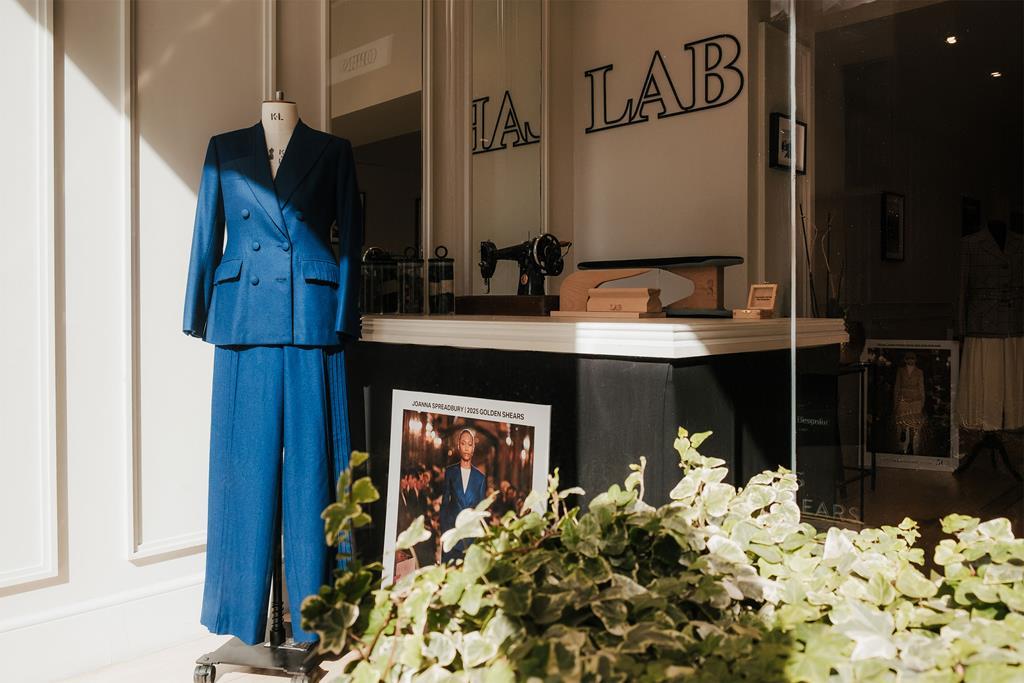
The most recent winner was Joanna Spreadbury, an apprentice at Huntsman. Simon Cundey, managing director of Henry Poole & Co, one of the tailoring houses that helps coordinate the awards, praised her combination of technical craft and design: “She demonstrated remarkable creativity, incorporating pleats on the pockets and sides of the trousers, as well as intricate stitching details on the suits and coats.” Spreadbury is ensconced in the tradition of the Row but is going places.
With the future of mass-produced luxury fashion uncertain, there’s something of an open goal for dynamic young tailors to fill the gap. There are customers who want something amazing, who can pay what it’s worth, and who can be enticed by a new world of fresh styles. “There will always be a place for the classic tailoring of Savile Row,” says Penlington. “But now, people are wearing suits because they want to, not because they have to. People’s eyes have been opened to possibilities in how to dress, and there are no rules.”
Every Stitch a Story
From Naples to Hong Kong, a closer look at a handful of the world’s leading bespoke ateliers – and how they are refining the suit for a new era.
Nina Penlington, UK
A lot of clients who came to this independent tailor during her Savile Row years still rely on her for bespoke suits that look just a little (or a lot) rock‘n‘roll. She is known for a strong shoulder, broad lapels and a tapering at the waist that’s wonderfully flattering. Her “Get Back” suit is a three-piece inspired by what Paul McCartney wore during the traffic-stopping Beatles show on the roof of 3 Savile Row in 1969. She is adept at working with fine wools, but it’s the velvet suits that really stand out, bringing a touch of vintage groove, with a notch lapel and large patch pockets, to something contemporary. Fittings take place in London or at trunk shows in key cities in the States.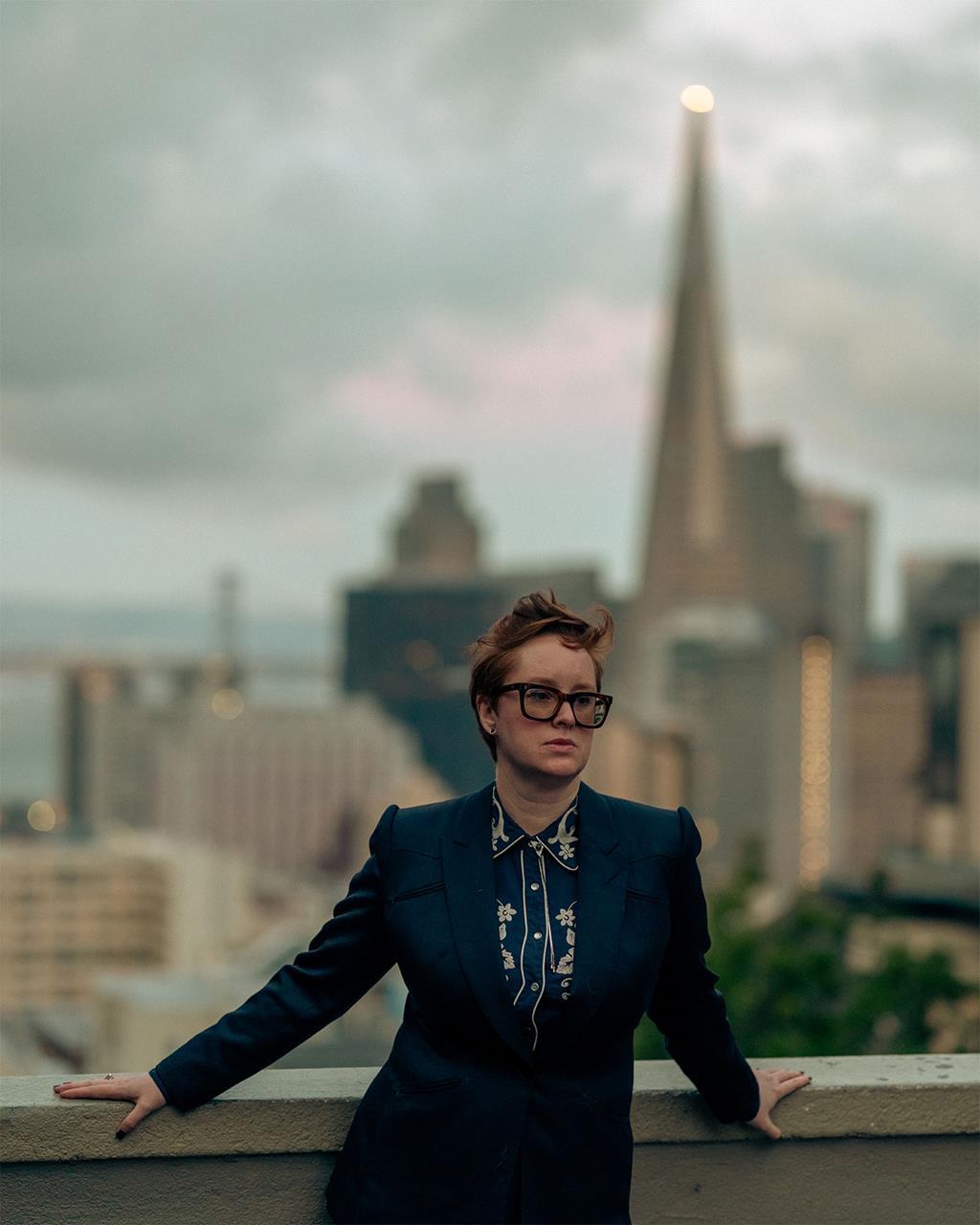
Meiko Tailor, Singapore
In a city that thrives on international trade as much as air conditioning, Master Chung is the man who cuts lightweight linens into CEO-worthy suits for both men and women. This is also where to come when you’re working your way up the career ladder: along with the bespoke that uses Loro Piana and Holland & Sherry textiles, there are ready-to-wear options in mixed wool for under $1,500 that will last years. Everything is fully canvased (no glued interfacing here, which puckers after a few visits to the dry cleaner). Meiko Tailor is for anyone who travels a lot and needs a full wardrobe of best-quality basics, from shirts to head-to-toe black tie to a wrinkle-free suit that will still look good after 12 hours in the air.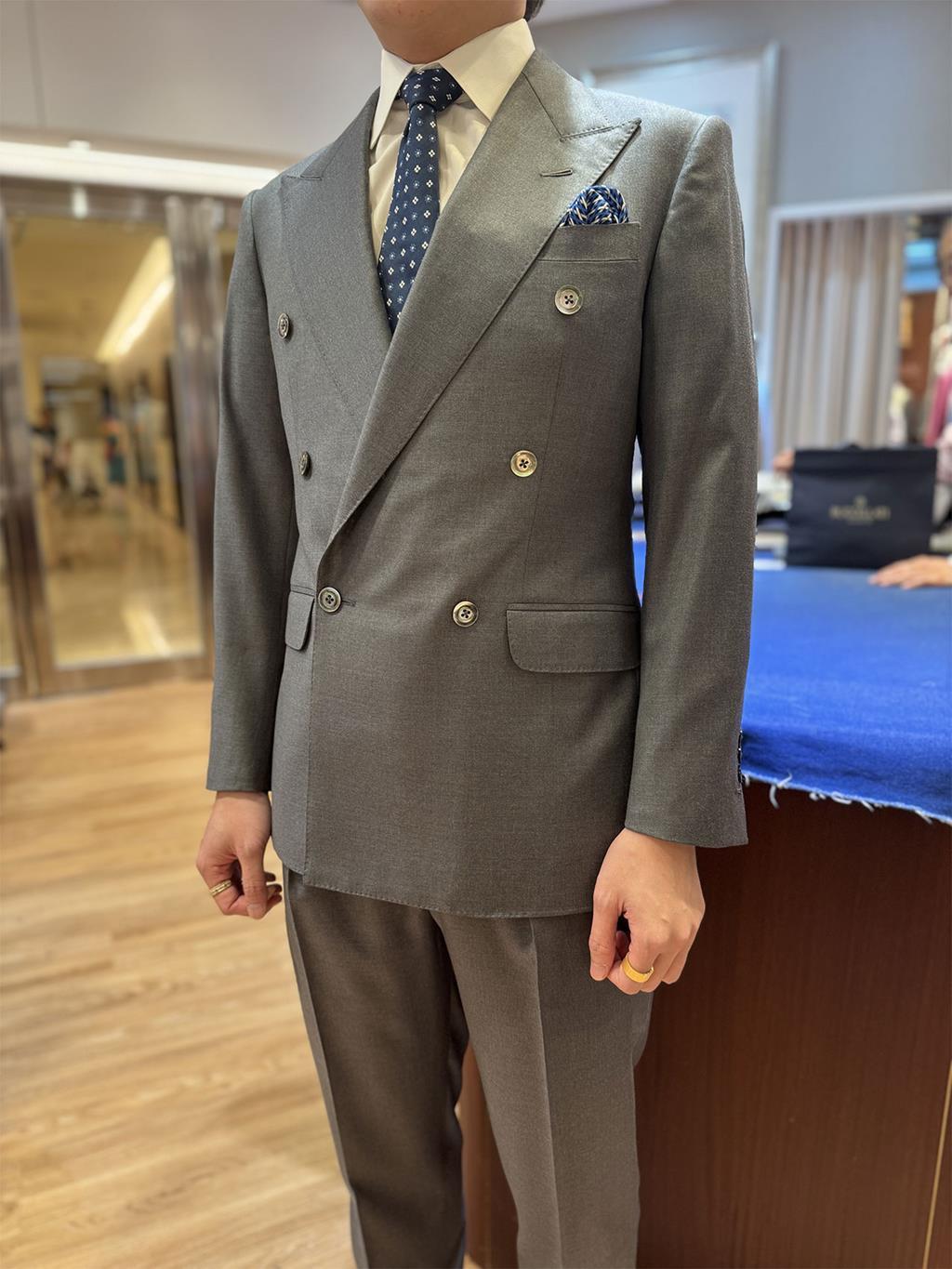
Paolo Martorano, New York City
A lot of Martorano’s customers have a penchant for a lining far fancier than you’d find at Paul Smith, and he’s happy to oblige. This is serious tailoring, though, whether made to measure or true bespoke, and everything is done here in New York City. He’s become known for his trousers, which he says are now his best-selling garment. They have a hand-sewn lap seam with elegantly shaped side adjusters, but, as with everything else, you can have them how you want them. One non-negotiable is the six hours of manual pressing for each pair that locks the construction into place. He also offers the perfect pair of bespoke jeans from $1,800 – pure Americana luxe! Fittings are in Manhattan or at his various trunk shows across the country. 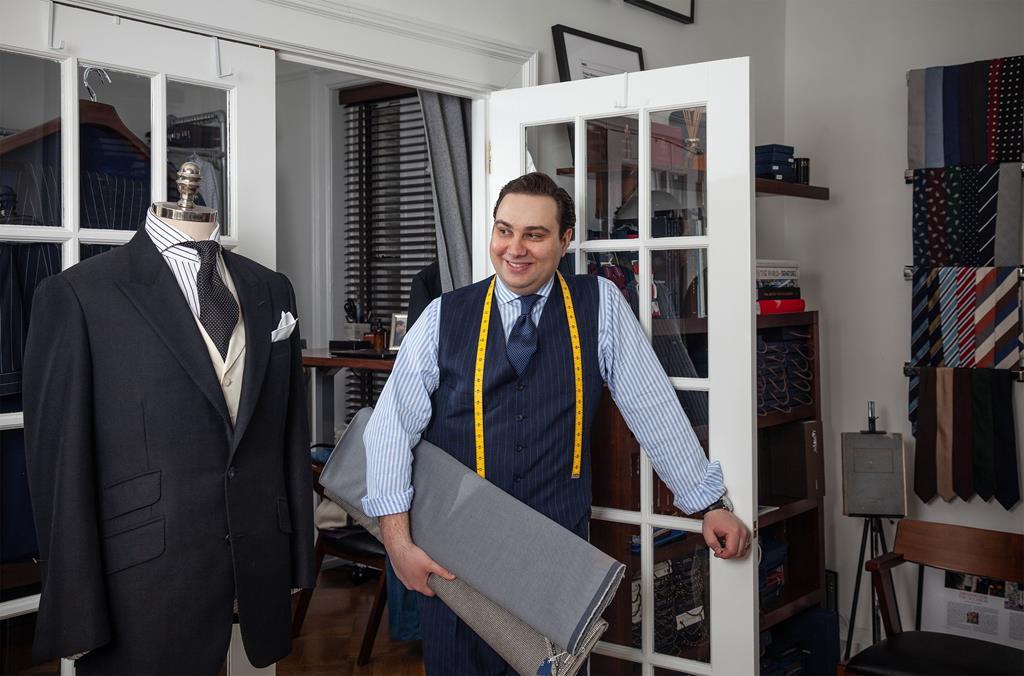
The Anthology, Hong Kong & Taipei
This is where to find Italian cuts in Asia. At this classic menswear label founded in Hong Kong in 2018, expect a silhouette somewhere between Florentine and Neapolitan, but with a focus on British-sourced cloths, and an attractive price point: starting at about $2,500 for made-to-measure garments. The vibe is young and fresh – not quite fashion forward, but definitely something you’d wear with sneakers, with extended shoulders and a lower gorge (the line where the lapel meets the collar; a nuance that really reads when you come face to face with it). Come for something in a check or a light colour, double-breasted, that you might wear sans tie. The ready-to-wear collection complements the custom-made offering perfectly, particularly the soft jade-green jersey shirts and lightweight silk-linen-blend knitted T-shirts.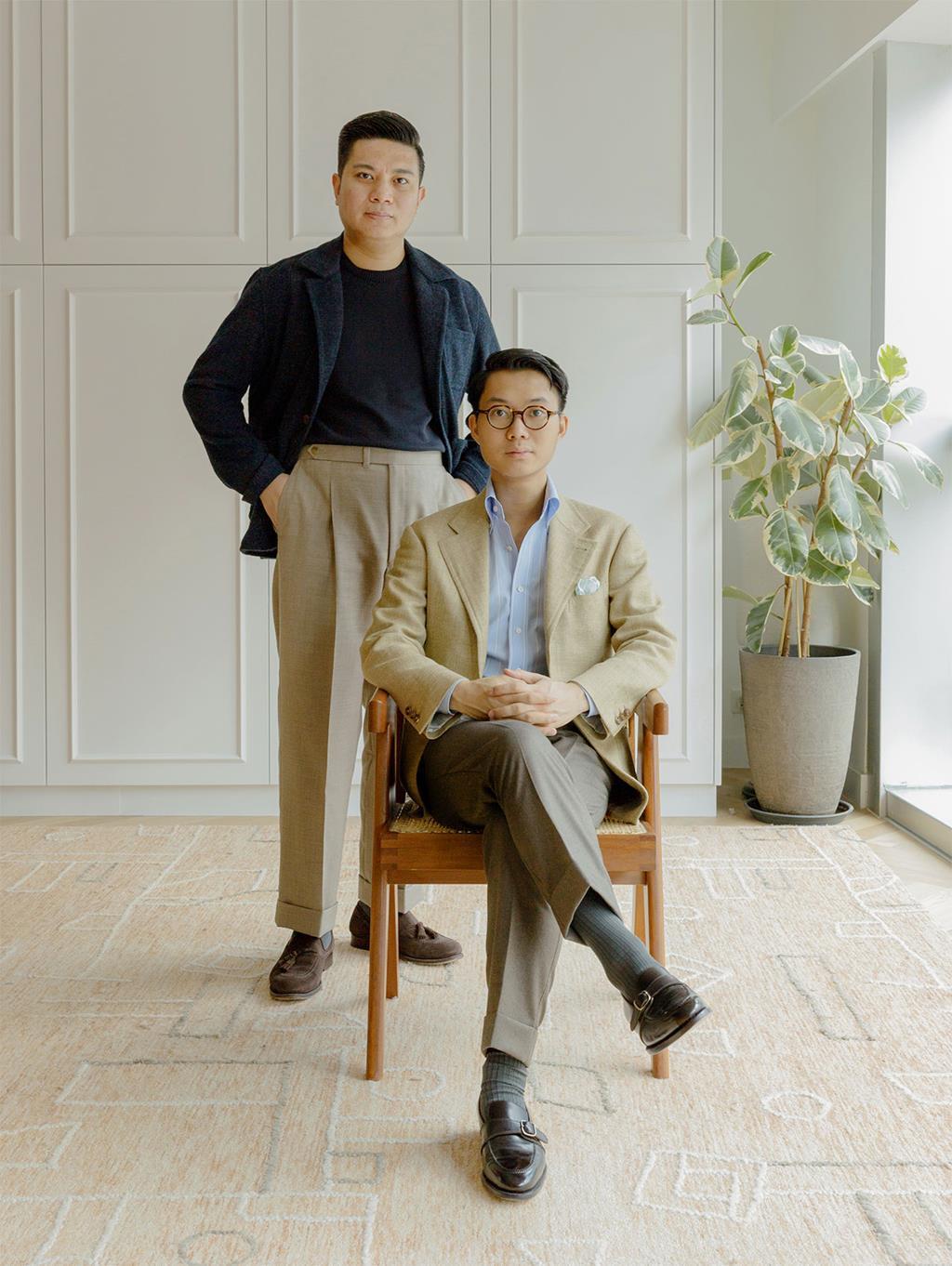
Isaia, Italy
The family-run business has its roots as a fabric store in Naples in the early 1920s, eventually establishing itself as a tailoring house in the late 1950s. Think The Talented Mr Ripley and double-breasted blazers with soft shoulders and white buttons. You come to Isaia for exclusivity of fabrics, including the Isaia AquaSpider 160s wool that is light, soft and miraculously water-resistant. Tailoring nerds will spot an Isaia piece by the extra flap of fabric that wraps around the edges of the collar – something of a style affectation today, it’s a hangover from the days when poorer customers would extend the life of a jacket by flipping the fabric inside out to look crisp again. As well as hand stitching on everything, Isaia is known for often more dramatic textile patterns crafted in its own workshops.
Images courtesy Nina Penlington, Joanna Spreadbury, Meiko Tailoring, Paolo Martorano, The Anthology