A Stitch in Time
Long dismissed as a decorative, domestic handicraft, a new breed of high-concept embroidery is now being threaded into the contemporary canon.

Sun-blushed swimmers luxuriate on a buttercream beach, feet dipped into frothing surf. Candy-stripe parasols shield families from the midday glare. This nostalgic summer scene from the southern shores of France is the painstaking work of textile artist La Filature, who brings everyday scenes to life through her Lilliputian figures sewn from colourful yarn onto antique squares of linen sourced from her grandmother’s armoire or a local brocante. Currently showing at Jessica Helgerson in Paris, her often sold-out exhibitions draw legions of collectors. La Filature – whose real name is Sandrine Torredemer – is one of a new wave of textile artists bringing this tactile form to the fore. Scouring flea markets for fabrics and snapping beach scenes creates the starting block for her pieces, which are then crafted in her light-filled Perpignan studio.
Parisian gallerist Emilie Teyssier, who represents La Filature at gallery Amelie du Chalard in Paris and New York, believes that the medium brings the artist more in tune with the senses. “Textile art has something really special – it’s intimate, and feels closer to us than many other types of art,” she explains. “Unlike painting or sculpture, it doesn’t just speak to the eyes; it also invites touch, through its textures, materials and techniques.” With a strong sense of tradition and craftsmanship behind it, the works “often tell stories in a very human, down-to-earth way”, she says.
Long seen as a minor art form, fabric art is now being reclaimed and reinvented by contemporary artists in ways that are bold, thoughtful and totally relevant. “Textiles are part of our daily lives,” Teyssier continues. “They’re everywhere, from the clothes we wear to the spaces we live in. That makes them feel approachable and familiar, and maybe a little less intimidating than other art forms. People connect with textile art instinctively because it speaks a language they already know.”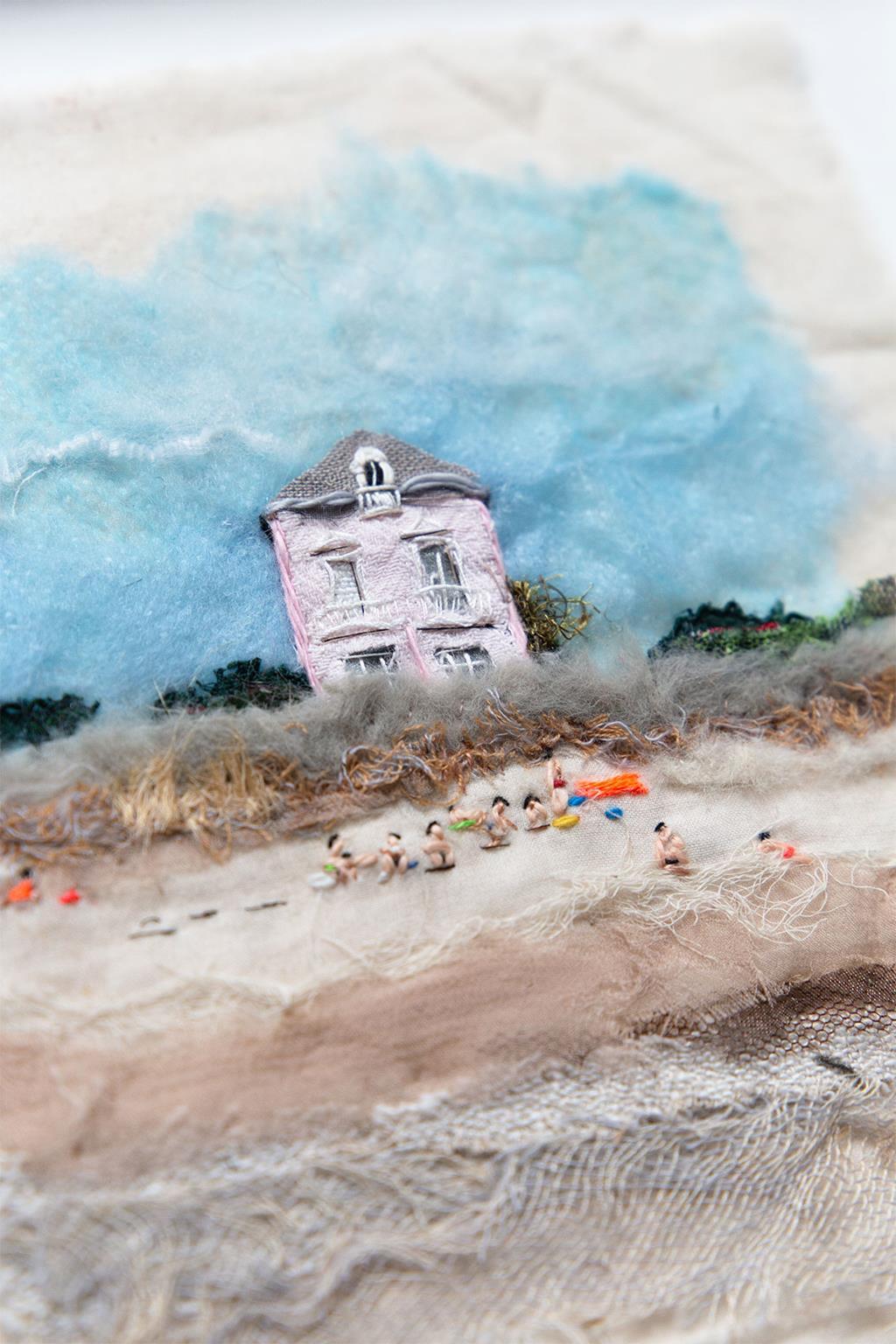 La Filature (© Amélie du Chalard Gallery)
The gallery started representing textile artists 10 years ago, from the knitted pieces of Cyril Maisonnave – crafted from fishermen’s nets found on beaches – to the delicate silk works of Juliette Sallin, who makes her own natural dyes from materials including bark, leaves and roots.
Sallin highlights how the medium is so dependent on the artists’ relationship with the cloth itself, arguing that “to be a good textile artist, you need to know your materials intimately – literally at your fingertips. Each fabric – satin, organza, habotai, chiffon – reacts differently: it absorbs colours, directs the inks, and behaves according to its weave.” Fashion can be a rich source of inspiration: South-of-France-based artist Agnès Dosmas Krier credits designers like Issey Miyake and Comme des Garçons for her draped works. “Textile art is a deeply tactile form,” she says.
Outside Paris, American-born artist Michele Landel’s arresting pieces disrupt traditional paintings with machine embroidery. One of her collectors, Mary Souza, was drawn to the soft form of her works. “I was able to visit Michele in her Sèvres studio and bought a wonderful piece, For There She Was 68. I love looking at this piece every day, throughout the day, as I navigate my life. To me, it evokes the power of women to manage their worlds creatively and with beauty.”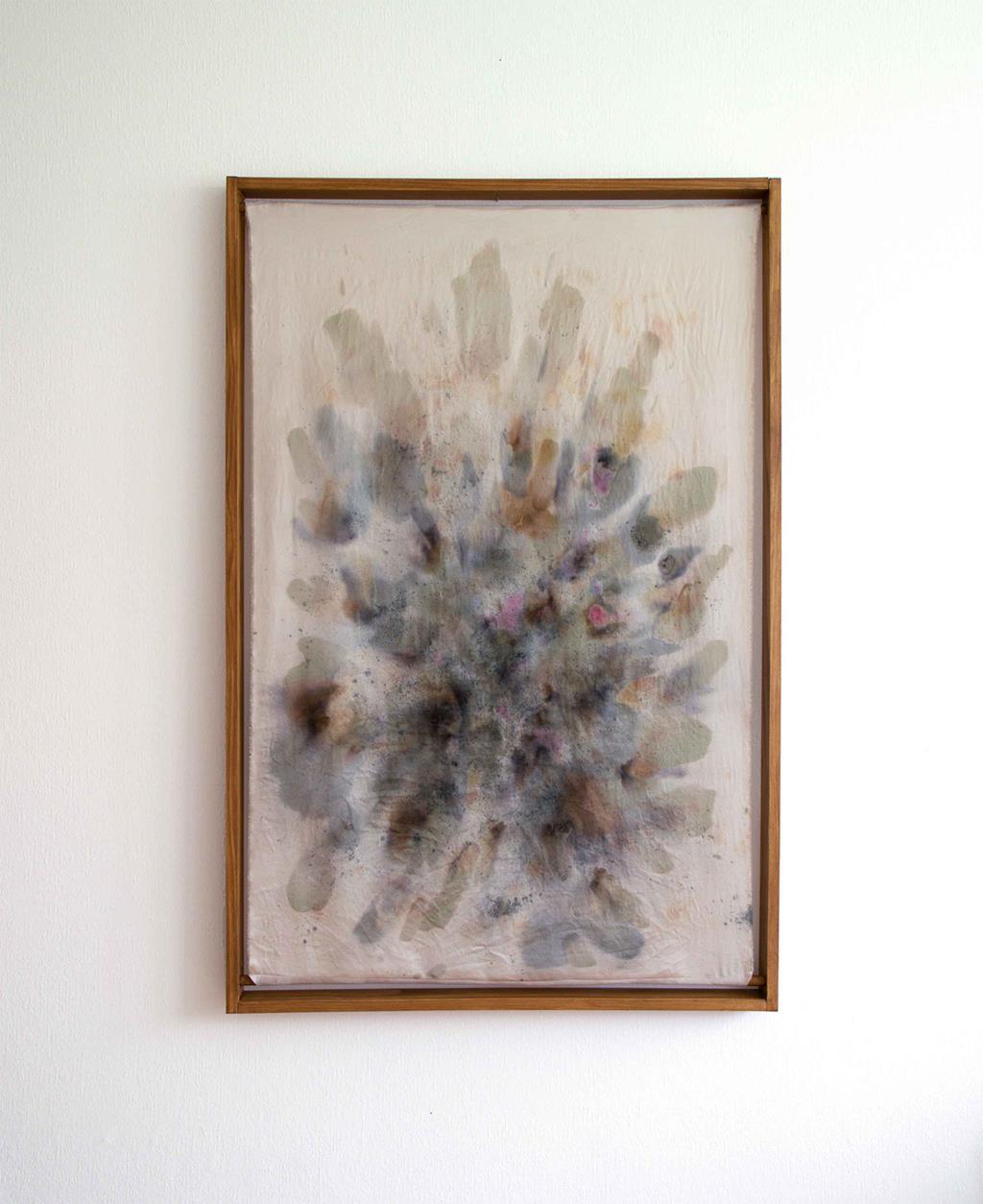 Events on the Skin III, Juliette Sallin (© Amélie du Chalard Gallery)
Textile art is nothing new, of course. A walk around Textiles: The Art of Mankind, a fascinating recent exhibition at the Fashion and Textile Museum in Bermondsey, London, reveals the first examples of using fabric string from 74,000 years ago – hunting gear crafted from willow, wisteria and sisal – long before pottery started appearing. From centuries-old ikat and prayer mats to the Bayeux Tapestry, there is a richly woven history; without textiles, there would be no sledging, climbing, carrying or spacesuits. A needle discovered 70,000 years ago in South Africa marks the beginning of all thread-bearing devices, from bobbins to pins to knitting needles, also evolving to surgical needles to save lives as well as to create gramophones. Industrialisation began with the needle, as did robotics.
“Textiles make us human, as we have the opposable thumb and we have more nerves in our first finger and thumb than anywhere else; that contact between the two fingers lights up the brain,” says the exhibition’s curator, Mary Schoeser. “Textiles are a language, what we say is textile-based, for example ‘fabric of society’.”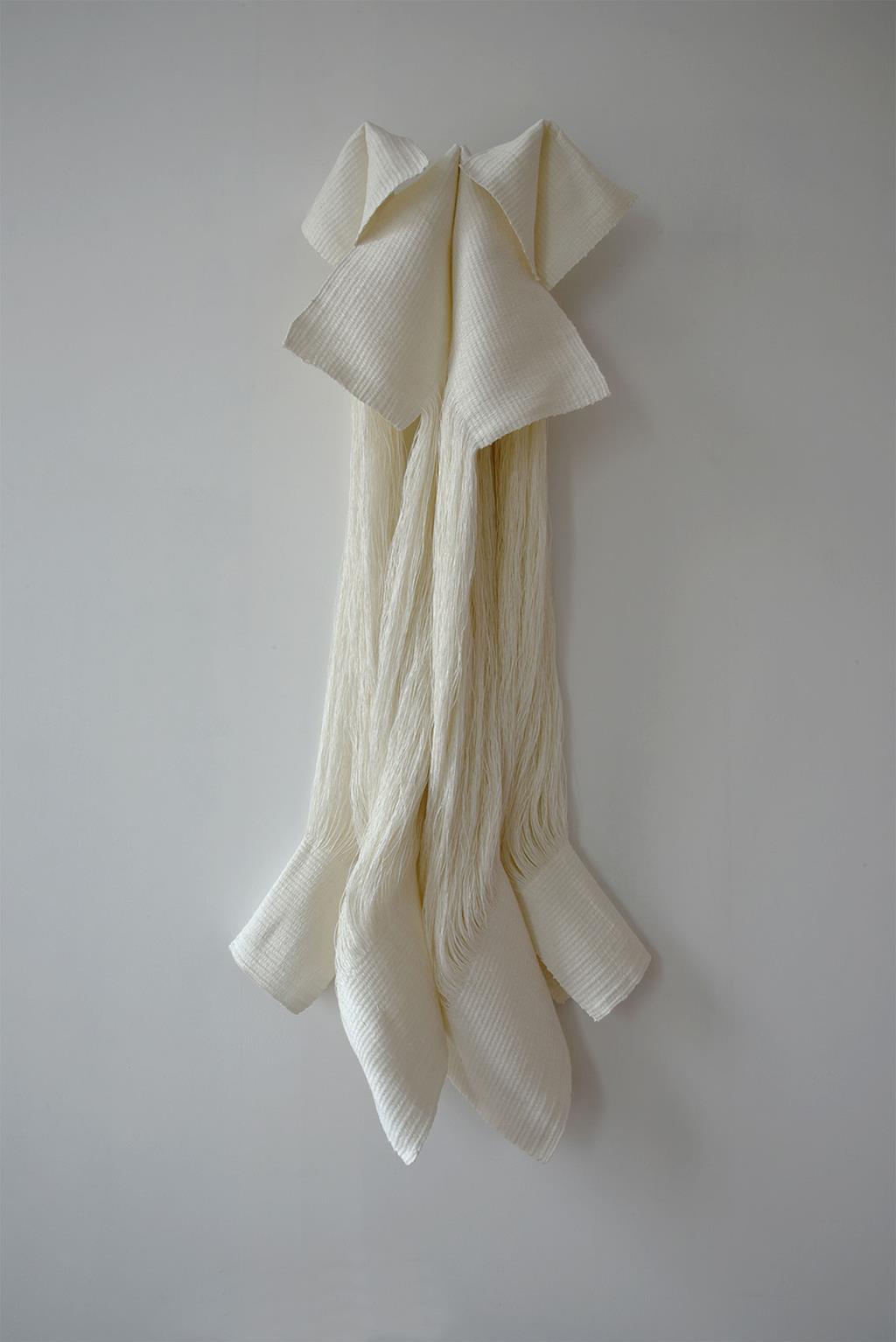 Choeur 3, Agnès Dosmas (© Amélie du Chalard Gallery)
Ashley Gray, director of the fashion-illustration, design and textile gallery Gray MCA, is one of the go-to sources for Modern textiles that straddle the decorative and fine arts of the mid-20th century. “What were originally produced as interior-design pieces have increasingly crossed that blurred line between applied art and fine art,” he points out. “The rarity of Modern artist textiles and the prestigious names of the Modern artists involved have made these textiles collectable artworks in their own right.”
As Gray explains, many of the great artists of the 20th century, such as Ben Nicholson and Barbara Hepworth, were approached to do incredible projects for textile companies such as Edinburgh Weavers and Ascher. Postwar, interior design democratised Modern art by making it literally a part of the furniture. Some of John Piper’s finest modern works were produced as screen-printed textiles for interiors. Such designs, including Arundel (1960) for Sanderson and Brittany (1969) for David Whitehead, highlighted his neo-romantic abstraction at its best. These beautiful textiles are now collectors’ items, although they are more often found safely behind conservation frames rather than as curtains in a downstairs cloakroom.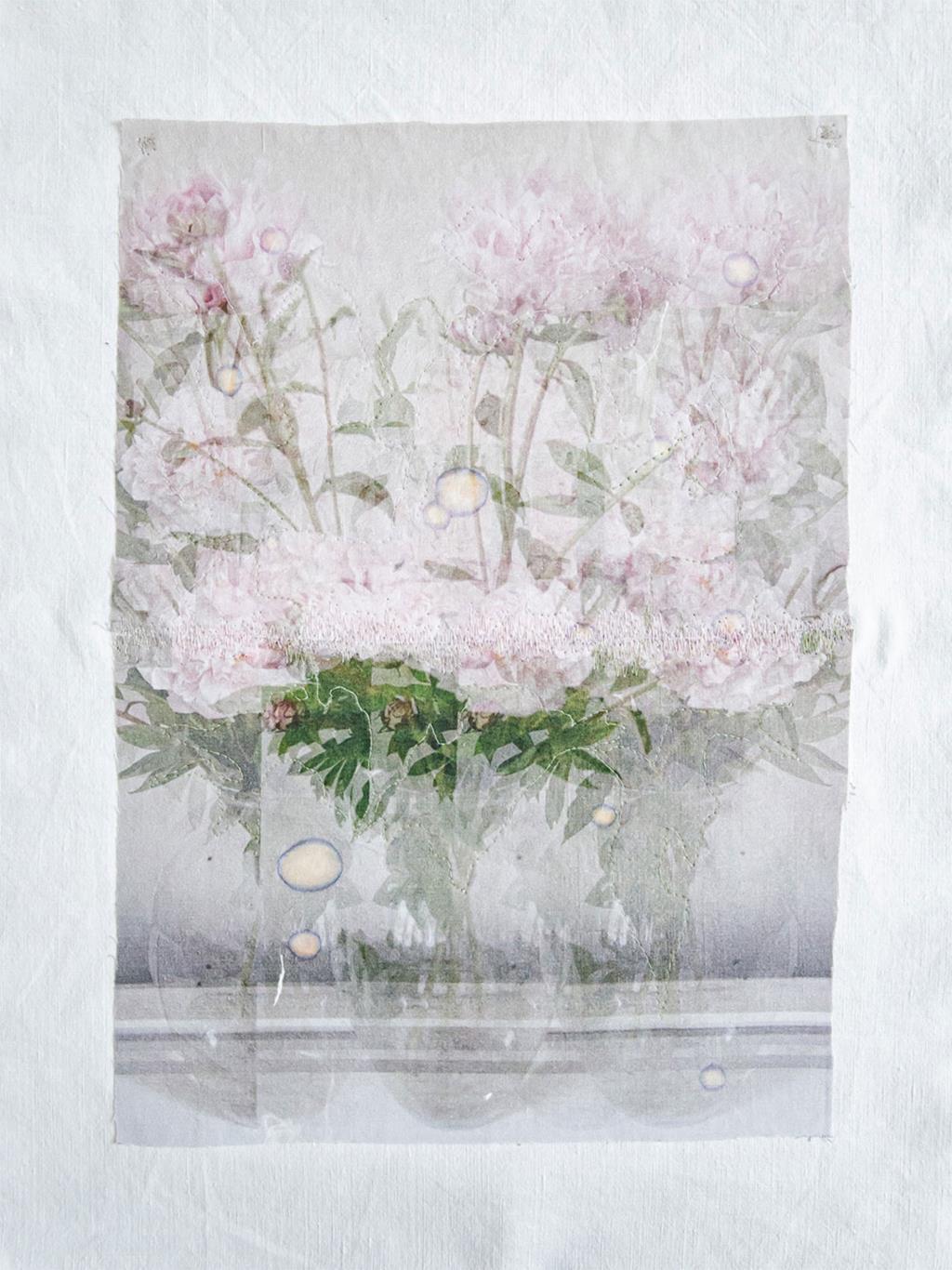 He Wanted to Come in Holding Nothing, Michele Landel (© Amélie du Chalard Gallery, courtesy Alison Jacques)
Historically, Scotland has a strong weaving culture, from iconic tartans to Harris tweed and one world-renowned tapestry atelier – Dovecot Studios – specialising in textile artworks. The latter has long worked with big names, from David Hockney to Helen Frankenthaler, their master craftspeople turning paintings and works on paper into tapestries, often huge in scale.
“Textile art is fascinating – tapestries are profoundly complex and clever and have to be created by lots of different people from the fibre to blending, dyeing and warp setting,” says Dovecot Studios director Celia Joicey. “Textile absorbs colour and light in a way that paint might reflect instead.”
To have an artwork translated into tapestry might take up to four months and cost well into six figures, but there is a market for it, from new pieces made for Soho Mews House to one supporter of Dovecot who wanted one of her late husband’s artworks translated into gun-tufted wool. Others have had their children’s artworks made into tapestries.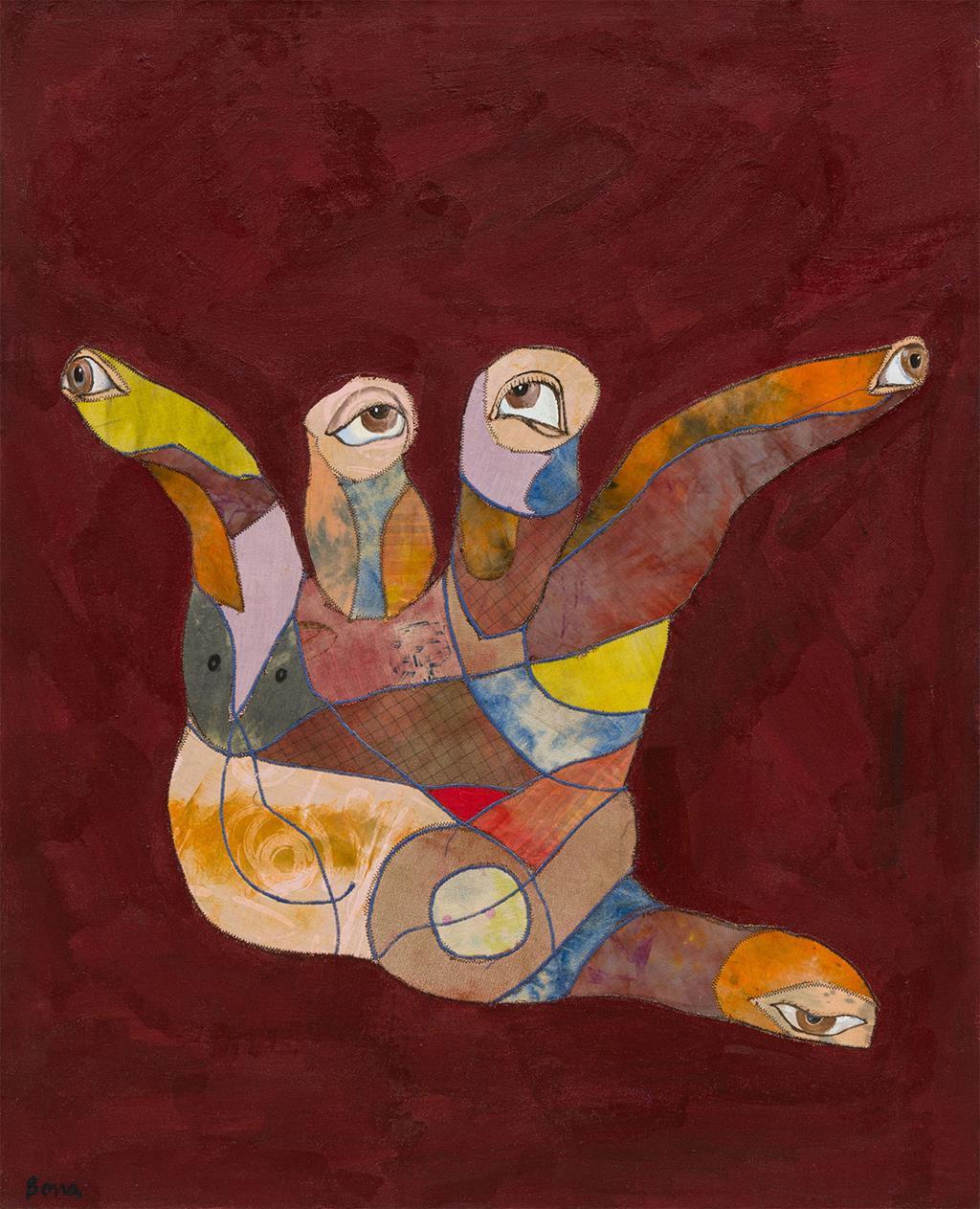 La Mano del Pittore, Bona de Mandiargues (© The Estate of Bona de Mandiargues)
In terms of contemporary collecting, there are some go-to names. Alison Jacques represents many of the world’s most prominent textile artists, from the haunting surrealist works of late Rome-born artist Bona de Mandiargues to American artist Emma Amos’s textural, collage-style pieces centred on race and gender.
There are many more trailblazers using textile art to talk about identity, culture and societal issues. Texan artist Diedrick Brackens, represented by Jack Shainman in New York, creates some of the most coveted works, using techniques from West African weaving traditions to explore themes of African American and queer identity. South Africa-based Billie Zangewa crafts beautiful pieces out of raw silk, challenging the exploitation of the Black female form through images of urban scenes and narrative collages.
“As a gallery, we have a long history of championing a diverse range of artists working with non-traditional materials, including handicraft,” says Rachel Lehmann, co-founder of Lehmann Maupin gallery, which represents Zangewa. “For collectors, there is a very sensory experience in living with a piece of textile art that isn’t always present in other mediums.” 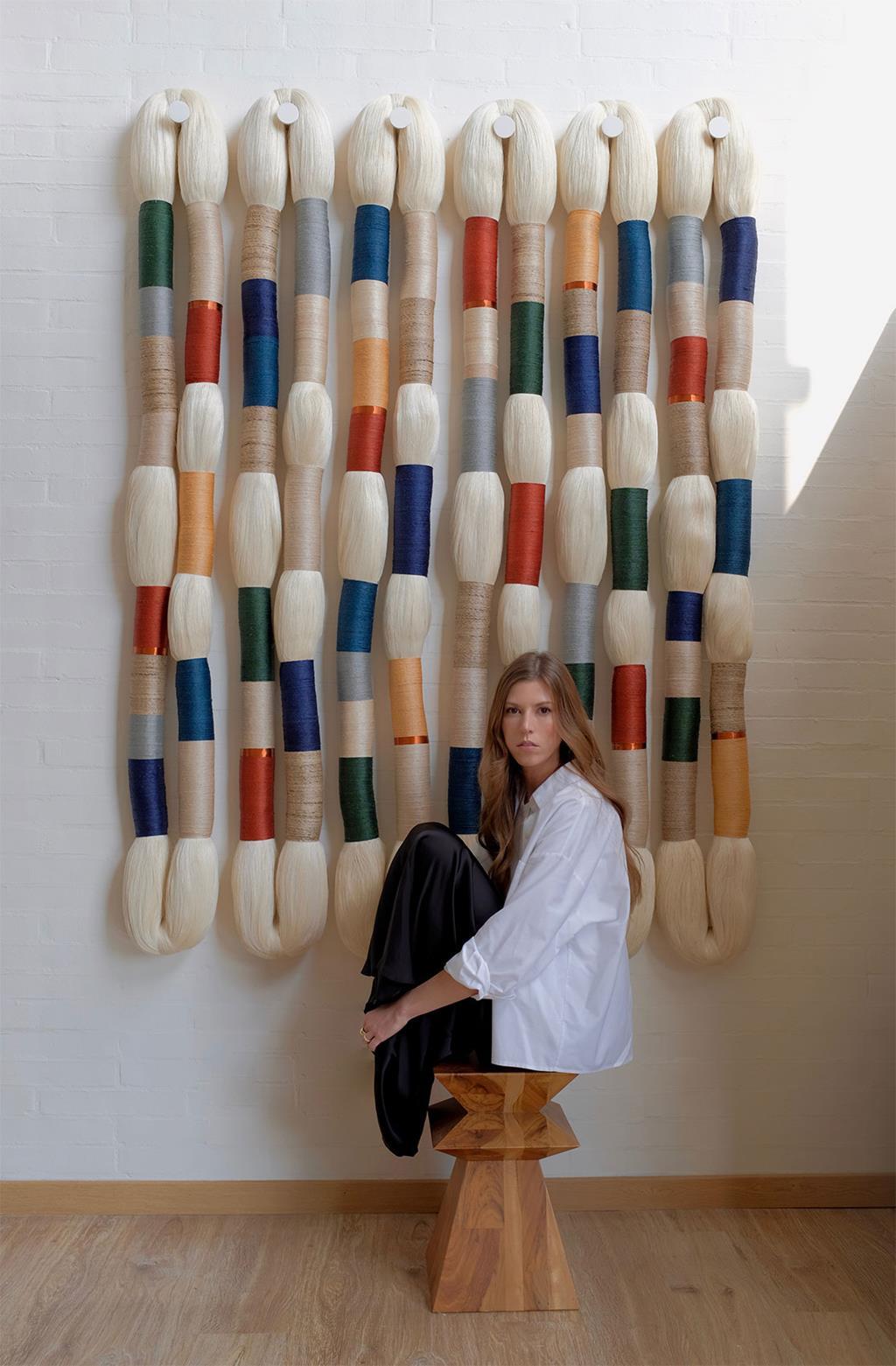 Alejandra Aristizábal (Courtesy of Alejandra Aristizábal and Nomad Gallery)
For others, sustainability is the focus. This is the case for Alejandra Aristizábal, displayed at Volta Basel this year. “My journey with textiles began in my hometown in Colombia, where my natural curiosity was piqued,” she recalls. “Colombia’s rich tradition and availability of natural fibres sowed the seeds of interest. Sustainability is a key focus, driven by environmental concerns. By implementing organic, natural and biodegradable fabrics in my art, I stay on that path. Throughout history, textiles have been more than practical items; they are cultural artefacts, symbols of status, and vehicles for artistic expression.”
The draw of long-lost artisanal techniques is strong for many, some gloriously niche. Artist Amélie Crépy, who showed during London Craft Week this May, is celebrated for her wall hangings and artworks painted in handmade ink crafted from oak galls formed by wasp larvae. Collaborating with Gainsborough and AO Textiles, her pieces are available as both interior fabrics and framed pictures in their own right. 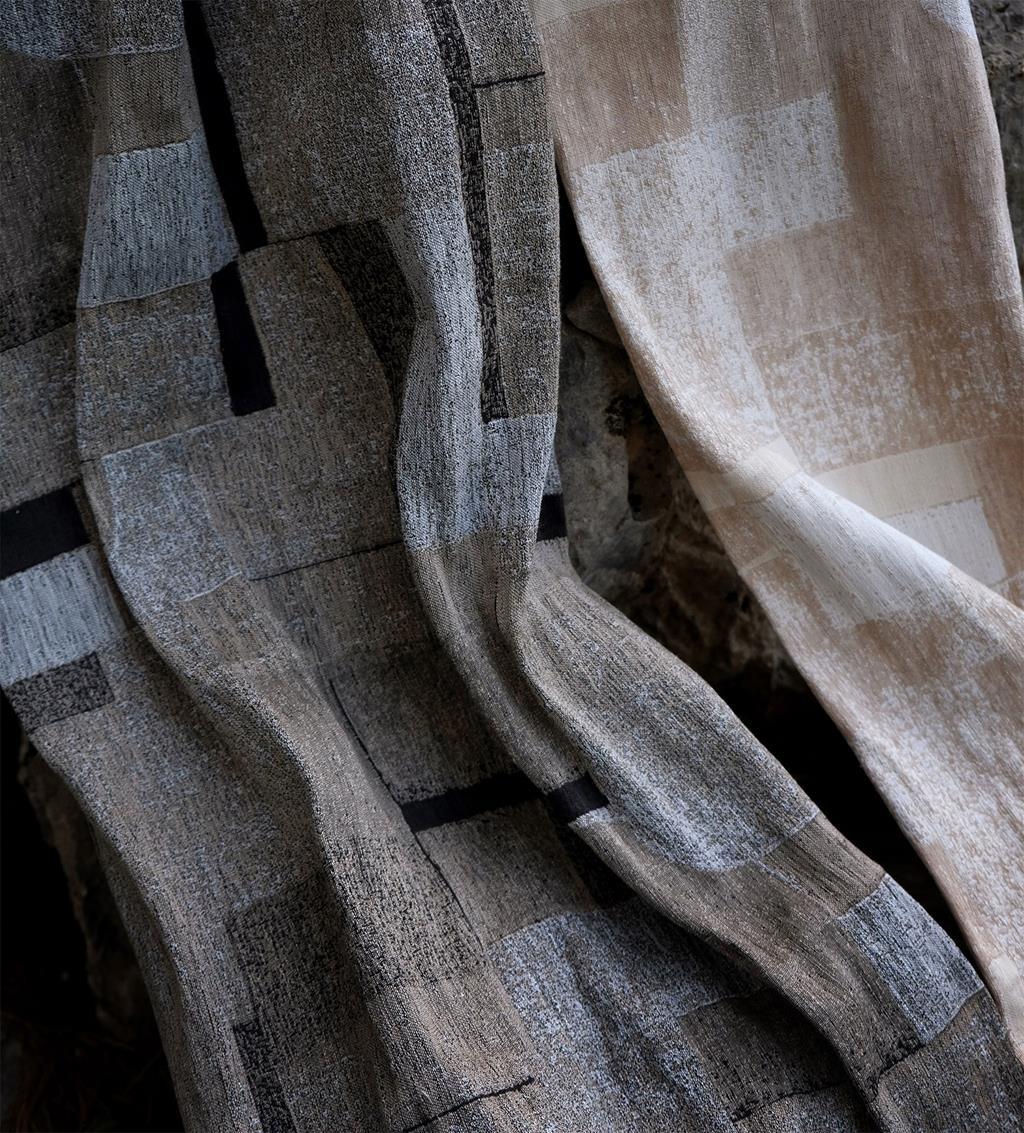 Amélie Crépy
One aspect of textile art is how it can be displayed differently from paper works, explains Rhonda Brown from Connecticut’s Browngrotta Arts, which looks after artists from Kay Sekimachi to Mariette Rousseau-Vermette, whose work will be the major retrospective at Montreal’s National Museum of Fine Arts of Quebec in 2026. “Fibre art can fit in spaces that other works cannot,” Brown explains. “We have worked with artists to create fibre works to hang in spiral staircases or to place in spaces in a bookcase. Fibre artworks are generally sculptural and dimensional in ways that paintings and photographs are not, and these works often incorporate dramatic shadows. The dimensionality and materials used also mean that these works change depending on the light and one’s vantage point, giving their owners multiple ways to approach and appreciate them.”
The gallery also handles a good proportion of resale work. As Rhonda Brown points out, “This is a significant change in the contemporary fibre-art field. Ten years ago, there was only a resale market for works by well-known names. Now we have clients who are acquiring previously owned works by a large group of accomplished artists, including John McQueen and Dominic Di Mare.”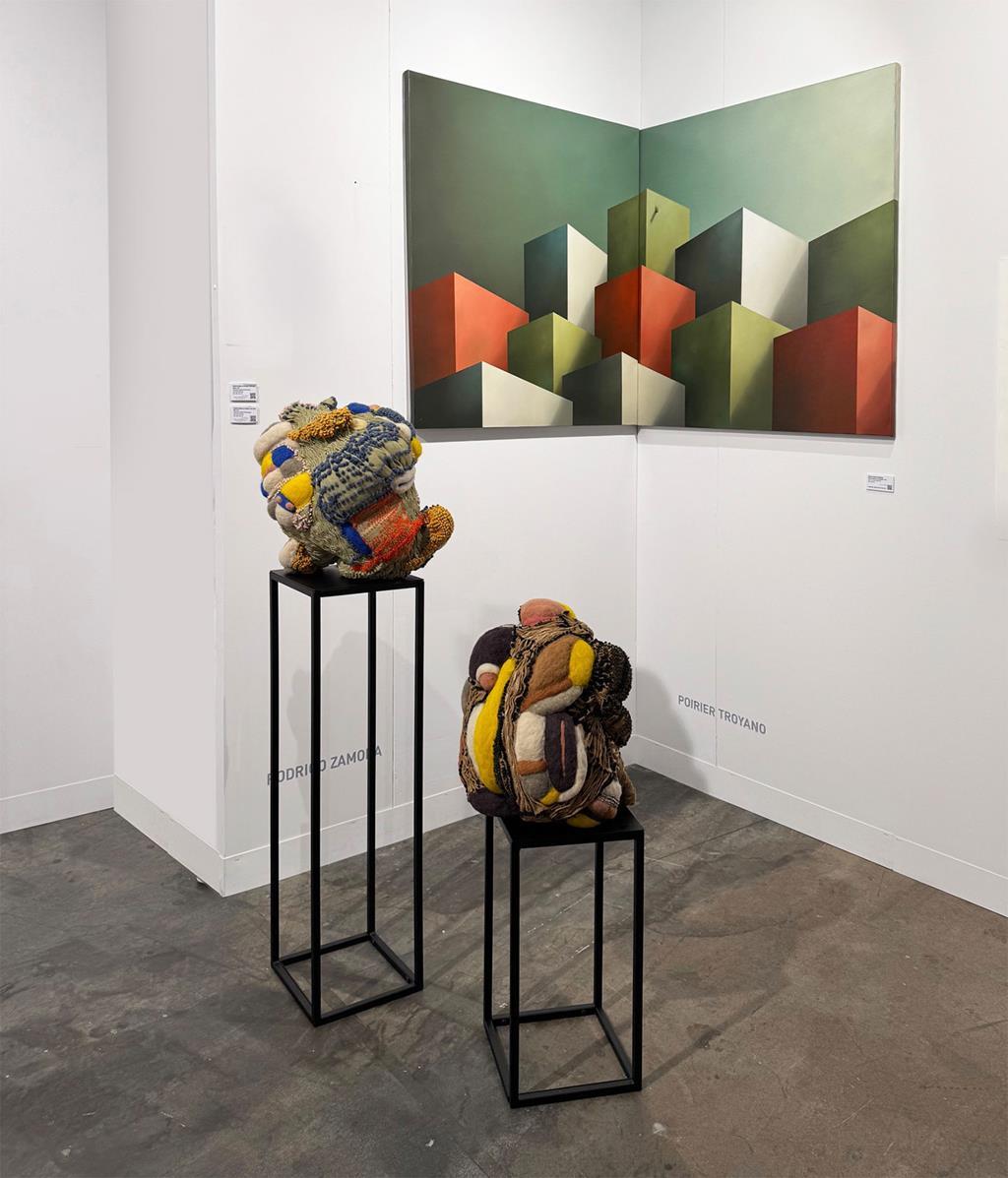 Marie Isabelle Poirier-Troyano (Photo: Isolina Arbulu)
In the end, there is something deeply enduring and warming about the medium, says Marbella, Spain-based gallerist Isolina Arbulu, whose artist, Marie Isabelle Poirier-Troyano, also took part in Volta Basel this year. “Textile art has a unique warmth and intimacy that often draws collectors in,” muses Arbulu. “There’s something deeply human about it – viewers can immediately sense the time, care and craftsmanship that go into each piece. The tactile quality, the visible labour and the intricacy of the technique tend to leave a lasting impression. It invites a slower kind of looking, one that connects people not just to the artwork, but to the hands behind it.”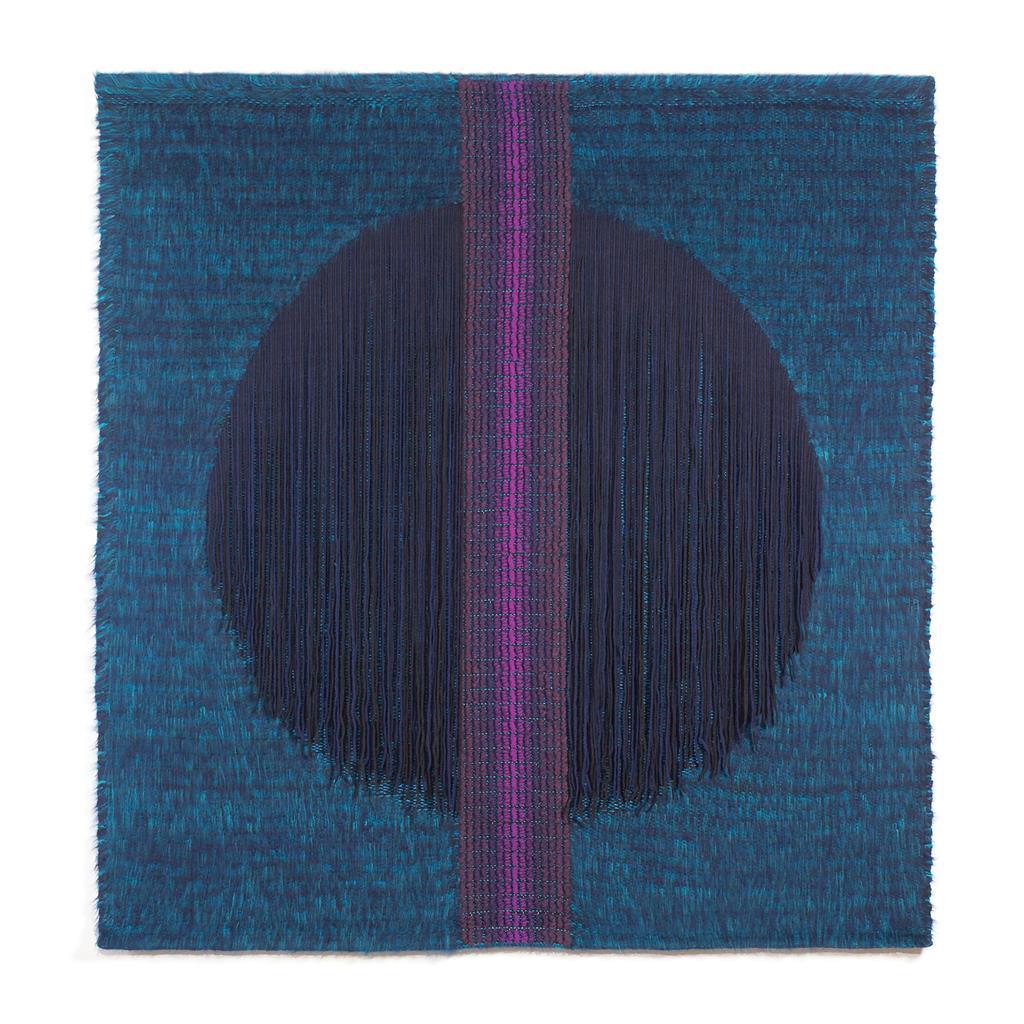 Hommage à Rothko, Mariette Rousseau-Vermette (Tom Grotta/Courtesy Browngrotta Arts)