Comporta Calling
By taking things slowly, the dreamy Portuguese enclave of Comporta has proven fertile ground for some of Europe’s most sophisticated private villas and luxe hideaways.

The best way to get to Comporta is to take the ferry to Tróia, then drive south down the slender peninsula. Along the way, construction cranes reach into the sky, cement trucks trundle over the two-lane road, and project trailers stand sentry beside worksites. Storks still nest atop the electrical towers, but it’s clear that Portugal’s most fashionable enclave is on the upswing.
“Comporta is truly unique within the European summer-destination and hospitality landscape,” says Rockstone CEO Dietrich Rogge, the founder of the region’s newest arrival, the Atlantic Club Comporta. “Unlike most established destinations, Comporta has only emerged on the global map in the past five years.” And while many coastal resorts have lost their character over decades of development, “Comporta remains remarkably untouched – it’s an incredible, unique natural habitat within a one-hour drive of a major European capital [Lisbon]. For me, that combination is what defines true luxury today: a destination that feels authentic, not overbuilt, and still offers something genuinely different.”
Atlantic Club Comporta consists of 24 privately owned villas spread over 15 hectares with hotel-like amenities, services and experiences. As with the area’s overall development, everything is low-density and low-slung, thanks to strict environmental protections and a collective desire to avoid the high-rise mistakes of the Algarve.
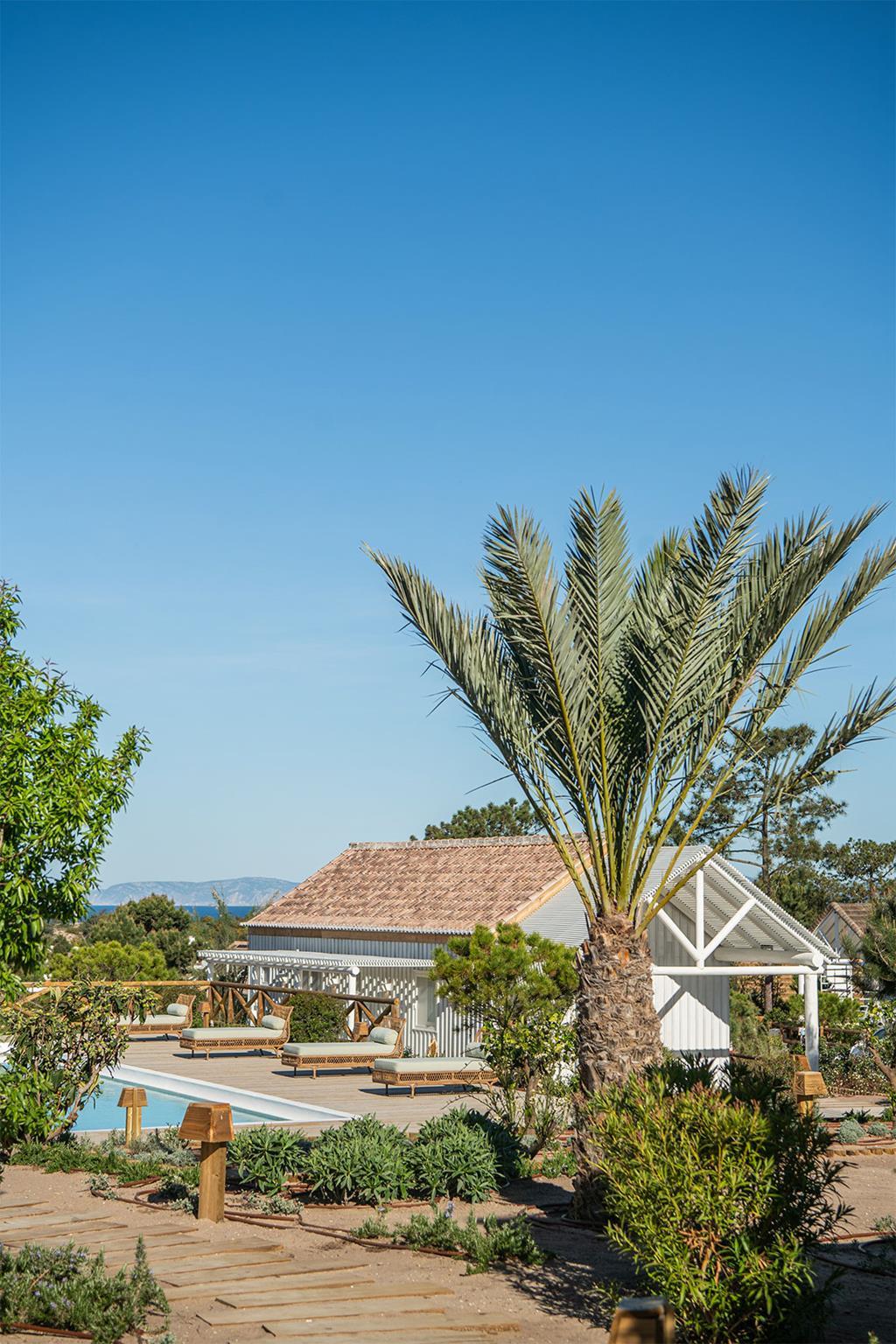 Atlantic Club Comporta (© Atlantic Clubs)
“Comporta is developed around private homes rather than large-scale hotels,” observes Rogge, who himself discovered Comporta and the early movers who had already decamped there in 2008. “This is true luxury, because it brings in people with a long-term vision for the area. You still have that high-end hospitality, but the balance remains.”
Architecturally, the Atlantic Club villas follow the “Comporta cabana” concept first popularised by early arrival Jacques Grange, the famed French designer who first fell in love with the thatched fishermen’s cottages among the pines some three decades ago. “This is a region with a strong architectural identity, like the Hamptons or Alpine chalets,” Rogge explains. “The idea was to create a true village of homes that captures the spirit of Comporta.”
Grange oversaw that village creation, filling the villas – each with four to eight bedrooms spread through multiple cabanas, along with courtyards, pools and saunas – with the natural textures and rustic chic that defines Comporta. He emphasised local materials such as reed or rice-straw thatch for the roofs, a traditional craft that’s at risk of disappearing.
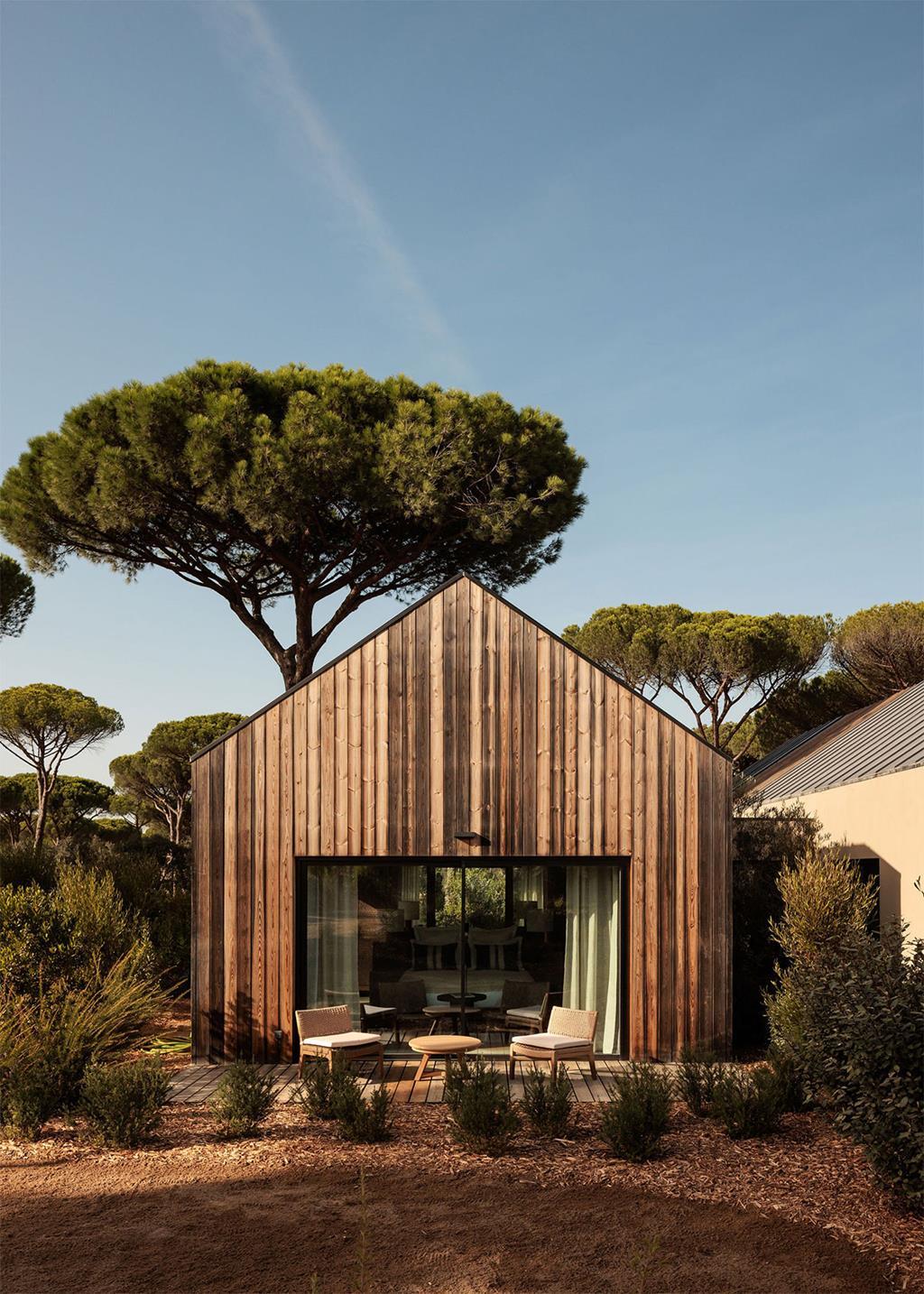 Sublime Comporta (Photo: Francisco Nogueira)
But it’s never been only about the architecture. “Owners and guests today are seeking space, privacy and a genuine sense of belonging,” says Rogge, who notes that the first 10 villas sold to people of 10 nationalities. “The Atlantic Club is first and foremost a private residential community – one that brings people together through shared values and a deep connection to place.”
The hospitality arm manages many of the villas for weekly rentals – these started in April, even as construction continues – and provides resident owners with housekeeping, private chefs and concierge support. Each one is a self-contained world overlooking the rice fields of nearby Carvalhal, the scrubby dunes and the Atlantic horizon, a rarity in a region where many developments are several kilometres from the shore. “The Atlantic Club is about allowing the landscape to dominate, not the houses,” Grange points out. “And about making something harmonious.”
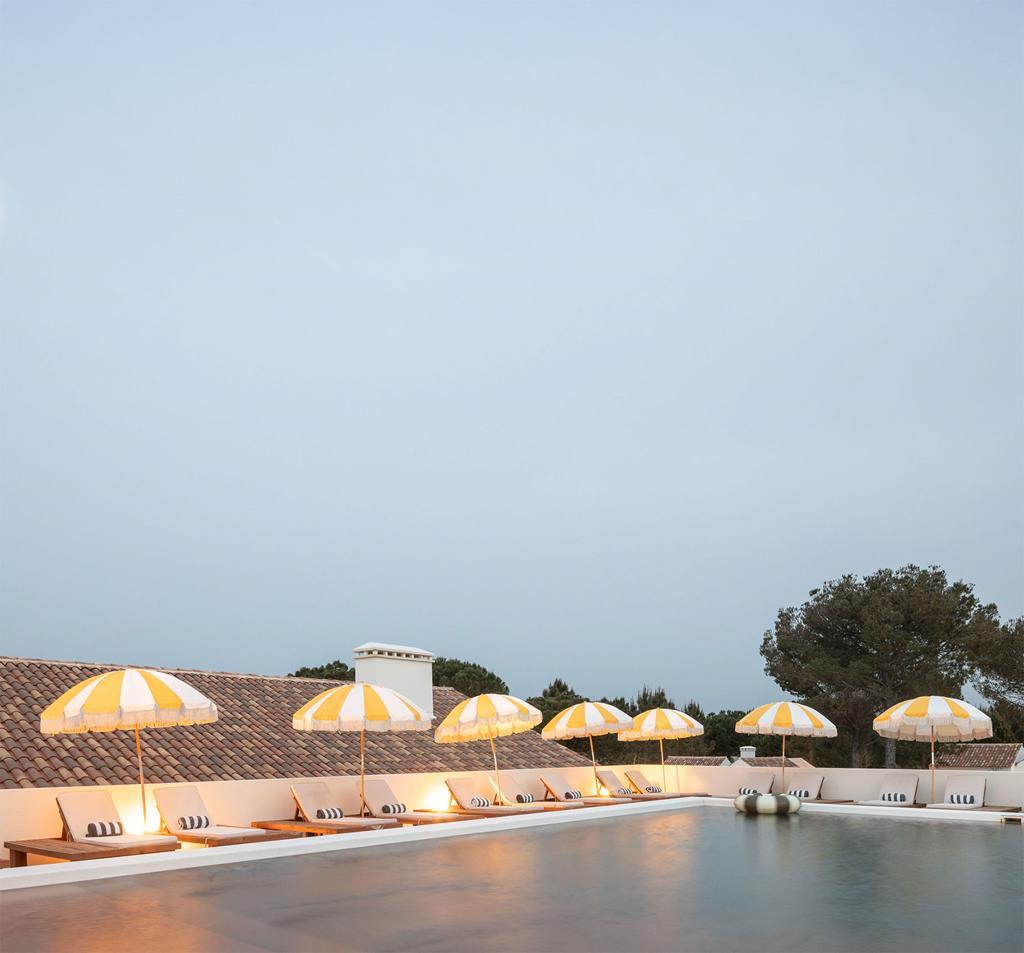 Independente Comporta (Photo: Francisco Nogueira)
The landscape dominates at Comporta’s luxury hotel pioneer, which just doubled in size. Sublime Comporta’s new Sand wing opened in May with 43 individually owned villas spread over 51 hectares, plus its own reception, restaurants, spa, pools, event space and Comporta’s first nightclub.
But for all the bells and whistles, it’s still the towering cork oaks and umbrella pines that give Sublime its (sublimely scented) sense of place. The other small hotels in the region are spotlighting their larger accommodations as well. The three-bedroom pool villas are the accommodations to book at the design-forward Quinta da Comporta, a member of Small Luxury Hotels. And when a Lisbon hotel group planted its flag with Independente Comporta, it built 24 freestanding villas – from studios to five-bedroom houses – alongside the 40-room hotel.
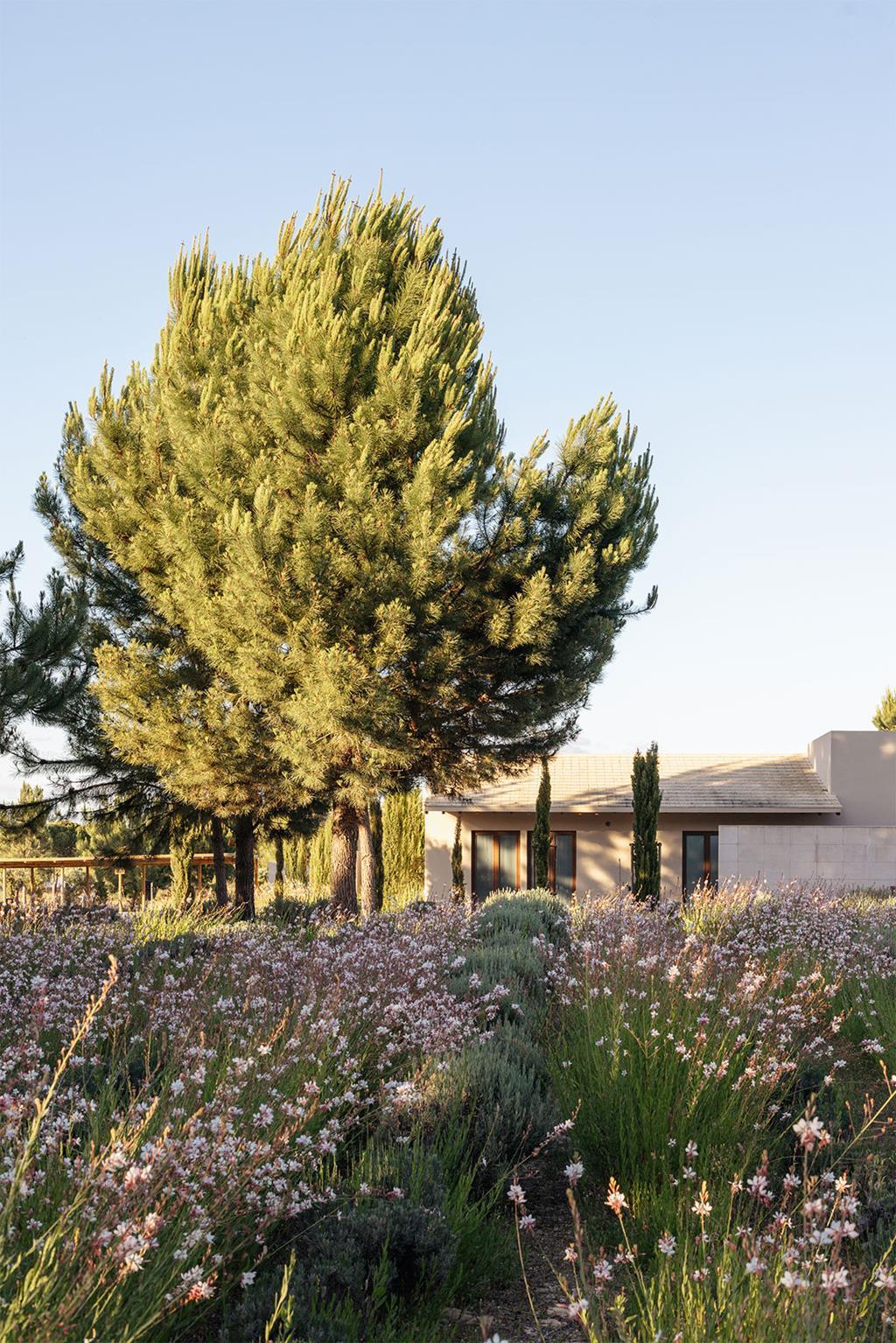 Spatia Comporta (Photo: Luis Nobre Guedes)
Across the road from the Independente, Spatia Comporta opened in 2019 as a small hotel with a handful of villas attached. In the years since, several extensions have turned it into a place that lives up to the “space” in its (Latin) name and feels more like a residential community than a hotel. The freestanding accommodations range from romantic cabanas to 38 sprawling “Estates” with a minimalist, contemporary aesthetic. Throughout, there’s a restrained serenity that belies the activity that’s going on beyond the property walls.
But there’s a whiff of that activity on a card that greets arriving guests on the kitchen island. The card announces ownership opportunities at Spatia Melides, set to open in 2027. There, 51 bungalows and 86 villas will be spread over 170 hectares of coastal pine forest further down the coast, near the newly fashionable hamlet of Melides, with the same management structure for hotel-style bookings.
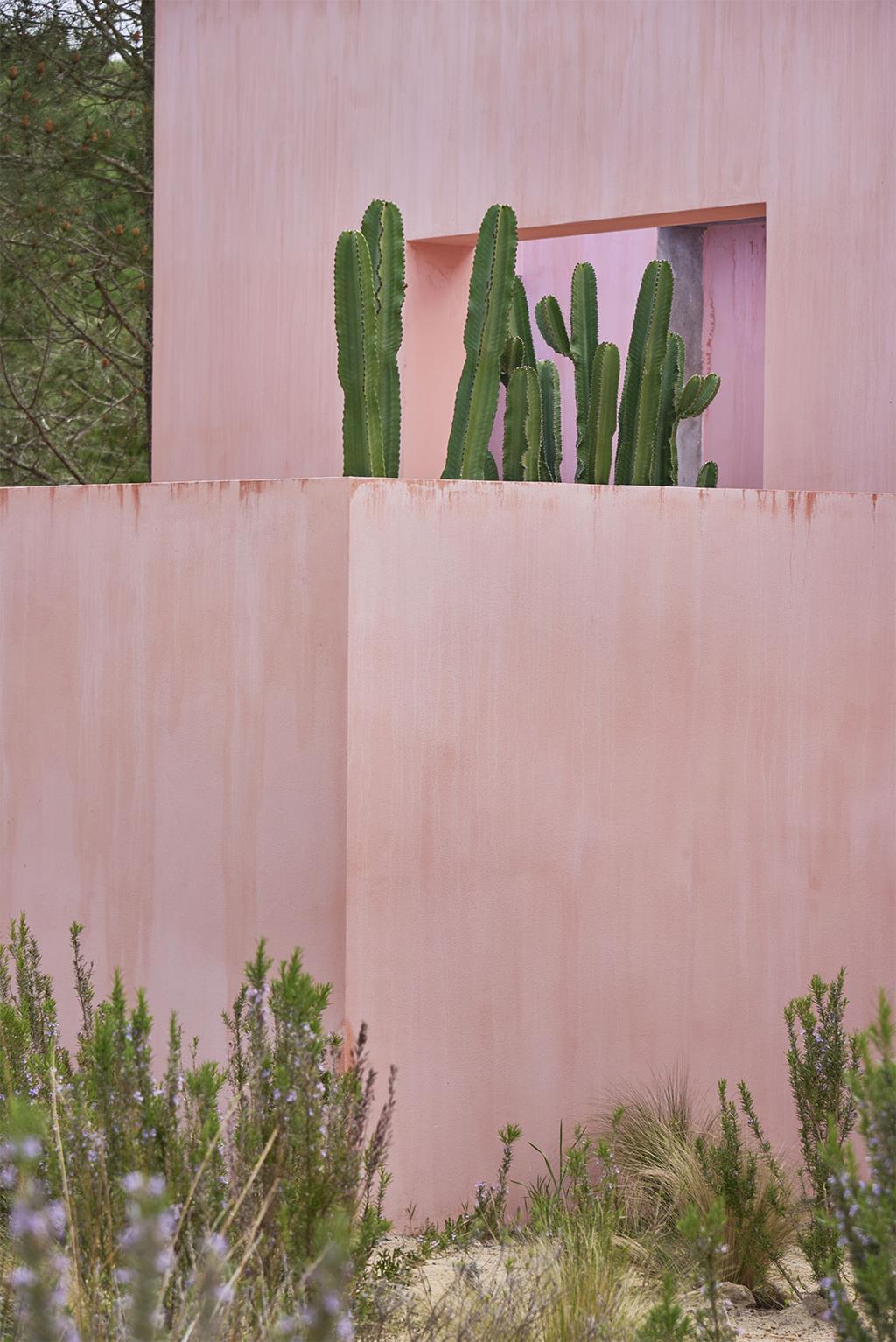 Vermelho (Photo: Ricardo Junqueira)
It’s joining an elite, artsy club led by Christian Louboutin’s maximalist Vermelho, a Relais & Châteaux hotel that takes its name from the Portuguese word for the colour of the shoe designer’s signature soles. Last summer, Louboutin opened two villas under the Vermelho brand, and his second Melides hotel, beside the lagoon that’s as close to the ocean as anyone is allowed to build, is slated to open next year.
The flipside to the Frenchman’s exuberance is the organic, elemental style that acclaimed Portuguese architect Manuel Aires Mateus is bringing to Melides. A few years ago, Pa.te.os opened with four of his houses around a shared swimming pool, putting forth a dialogue between contemporary architecture and the eternal Alentejo. And a few months ago, it was joined by RockRose, a gorgeous five-suite villa made of rammed earth, with amenities that focus on wellness and seclusion.
And for those who prefer community to seclusion, Portugal’s richest family and most prominent lifestyle brand is also planting its flag in the heart of Comporta. JNcQUOI already has a beach club, restaurants, boutiques and hotel suites in the area. Its Vincent Van Duysen-designed residential development, JNcQUOI Club, is set to debut in 2028.
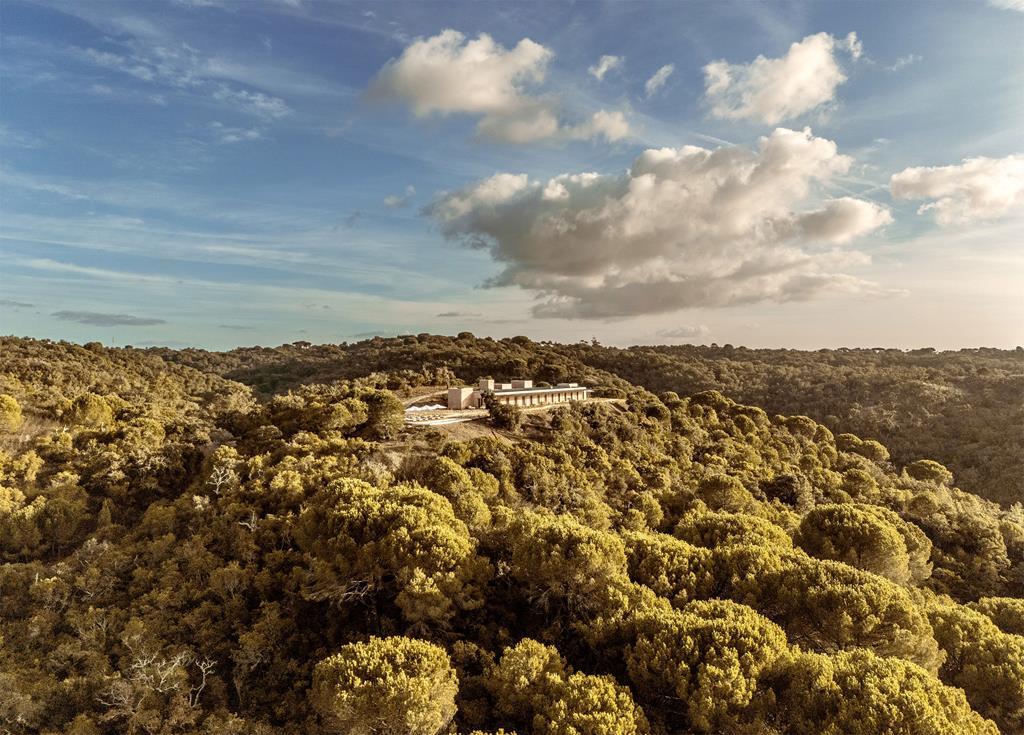 RockRose (Photo: João Guimarães)
“Demand has been extremely strong,” says Miguel Guedes de Sousa, the founder and president of the Amorim Luxury Group. “The first phase is almost sold out. This confirms what we have always believed: people are not simply buying a home in Comporta; they want to belong to the JNcQUOI world.”
Asked whether this growth and world-creation can continue, he nods to reality. “Only if development is done intelligently,” he says. “The region cannot support projects that are purely speculative, aggressive or disconnected from the land. However, it can support high-quality, low-density, well-managed developments that respect nature, bring international visibility and increase long-term value without destroying identity.
“Portugal does not need more volume,” he continues. “It needs more value. Comporta has the potential to become one of Europe’s great lifestyle destinations, if developed with taste, restraint and respect.”
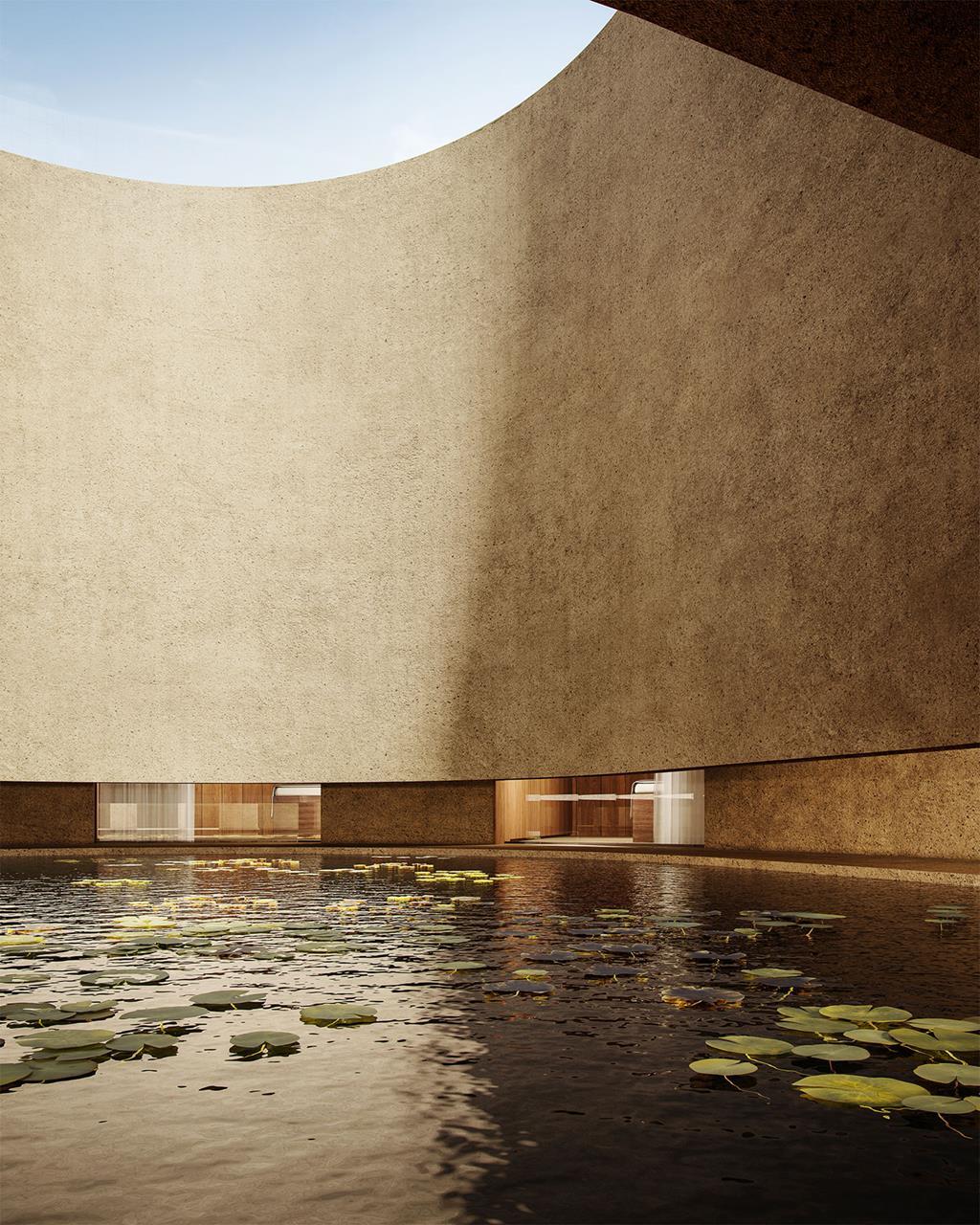 JNcQUOI Club (Photo: Hayes Davidson)