Why House
The where and why on Sri Lanka
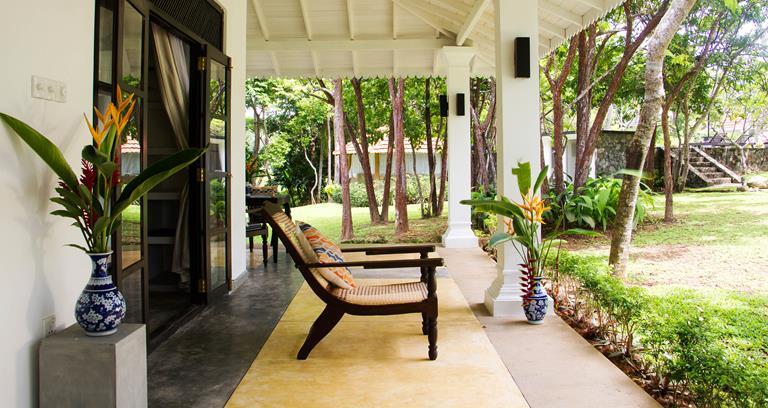
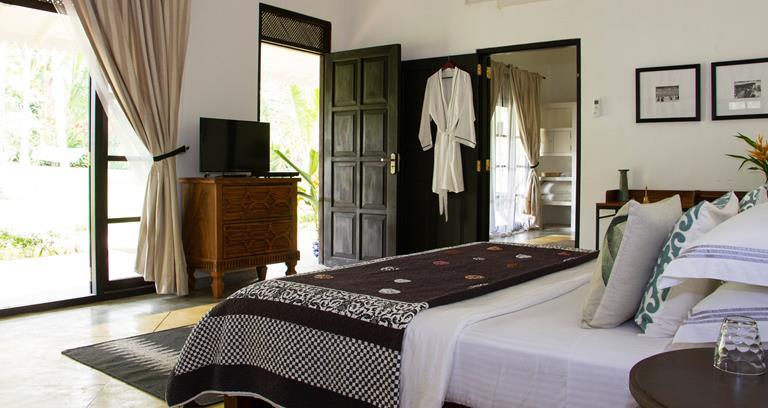
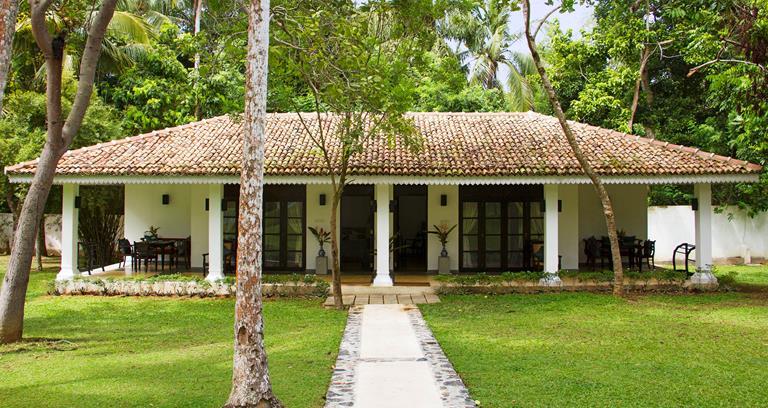
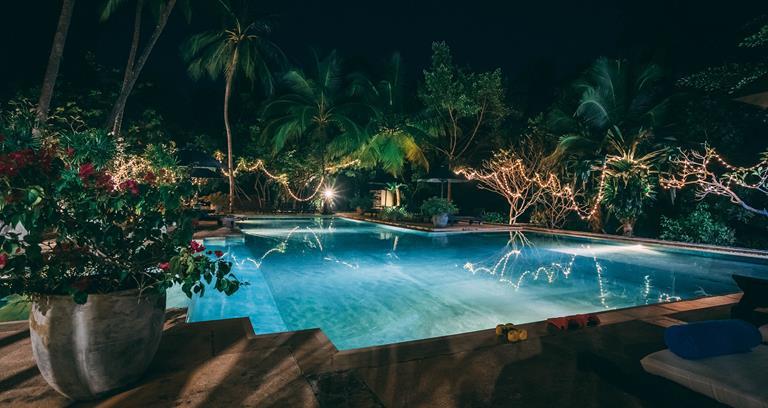
This family-friendly hotel is an informal yet opulent stay, set within a three-acre walled garden of tropical plants, fruit and spice trees (there’s also a large swimming pool). Up to 24 guests can stay in ten individually designed, double en-suite guest rooms boasting private terraces.
Food offerings include Sri Lankan, Western or Asian dining, adapted to guests’ needs (with family and children’s options). The hotel’s two dogs welcome guests, and in particular enjoy entertaining younger visitors.
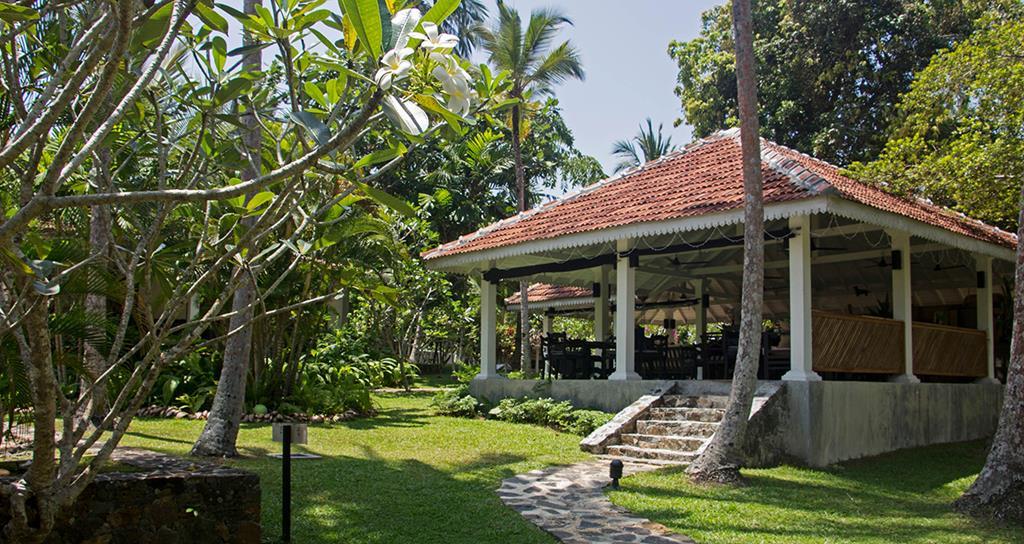
Situated a mere 15 minutes from UNESCO world heritage site Galle Fort, the hotel is also a short walk or tuk tuk ride away from the beautiful lagoon and sands at Dalawella Beach.
LATEST ARTICLES
Return To Nature
From dinner for two in a lantern-lit cave in Morocco to futuristic spa treatments in primordial forests, the natural world is increasingly taking centre stage on jet-set itineraries. Herewith, 20 of the most enticing destinations where the elements set the pace.
A Feast for the Senses
From fine dining in soaring skyscrapers to Michelin-minted eateries inside the world’s great art institutions, today’s most memorable restaurants pair serious culinary chops with extraordinary – and Instagrammable – settings.
The Shrinking of Art
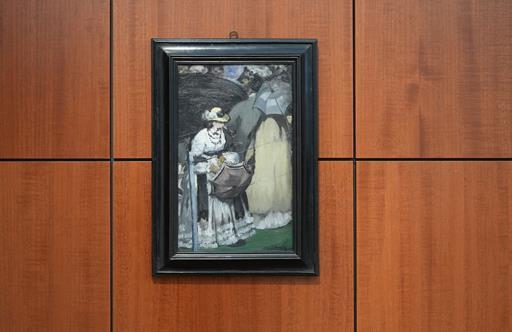
While some numbers point to a flailing global art market, a closer look reveals the advent of a new generation of collectors – one who eschews large-scale paintings and sculptures in favour of readily portable pint-sized treasures with a more pocket-friendly price tag.
A New Golden Age
The hotly anticipated debut journeys of the Orient Express Corinthian trace some of the Mediterranean’s most beguiling sites, pairing storied coastlines with the brand’s signature glamour
Connection Over Convention
With his 111m Oceanco yacht Leviathan, Gabe Newell challenges long-standing superyacht conventions and reimagines life on board through a philosophy that places people at the centre
Back to Wine’s Roots
More than 160 years ago, a tiny insect – phylloxera – upended the wine world by decimating European vineyards. In recent years, a growing number of winemakers have been resurrecting the grapes and traditions of ungrafted vines to get a taste of that lost history, but also to prepare for the future.