Weinhaus Neuner
Munich’s oldest wine-bar, afresh
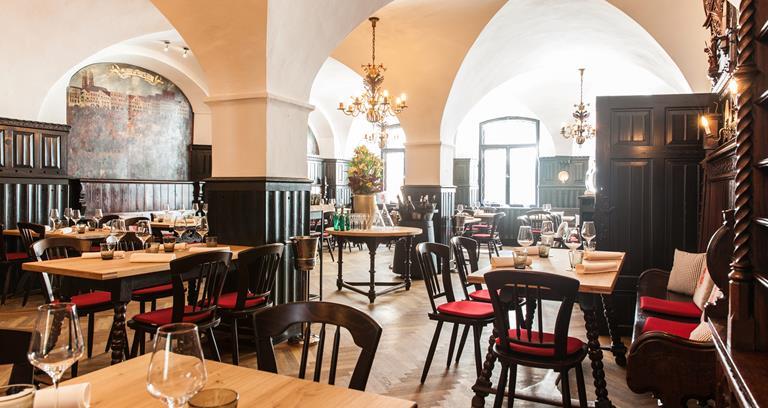
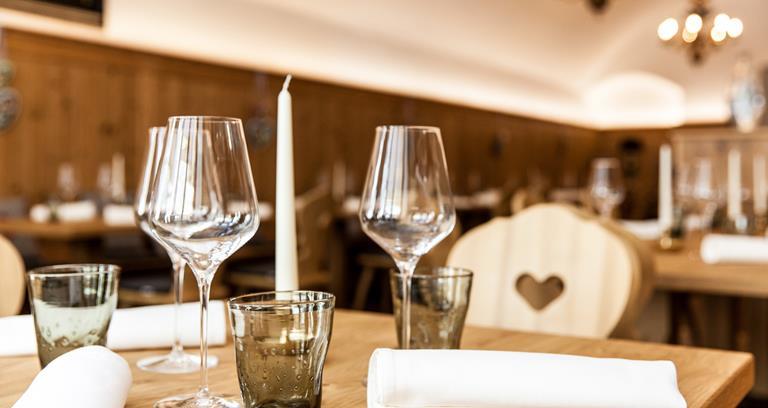
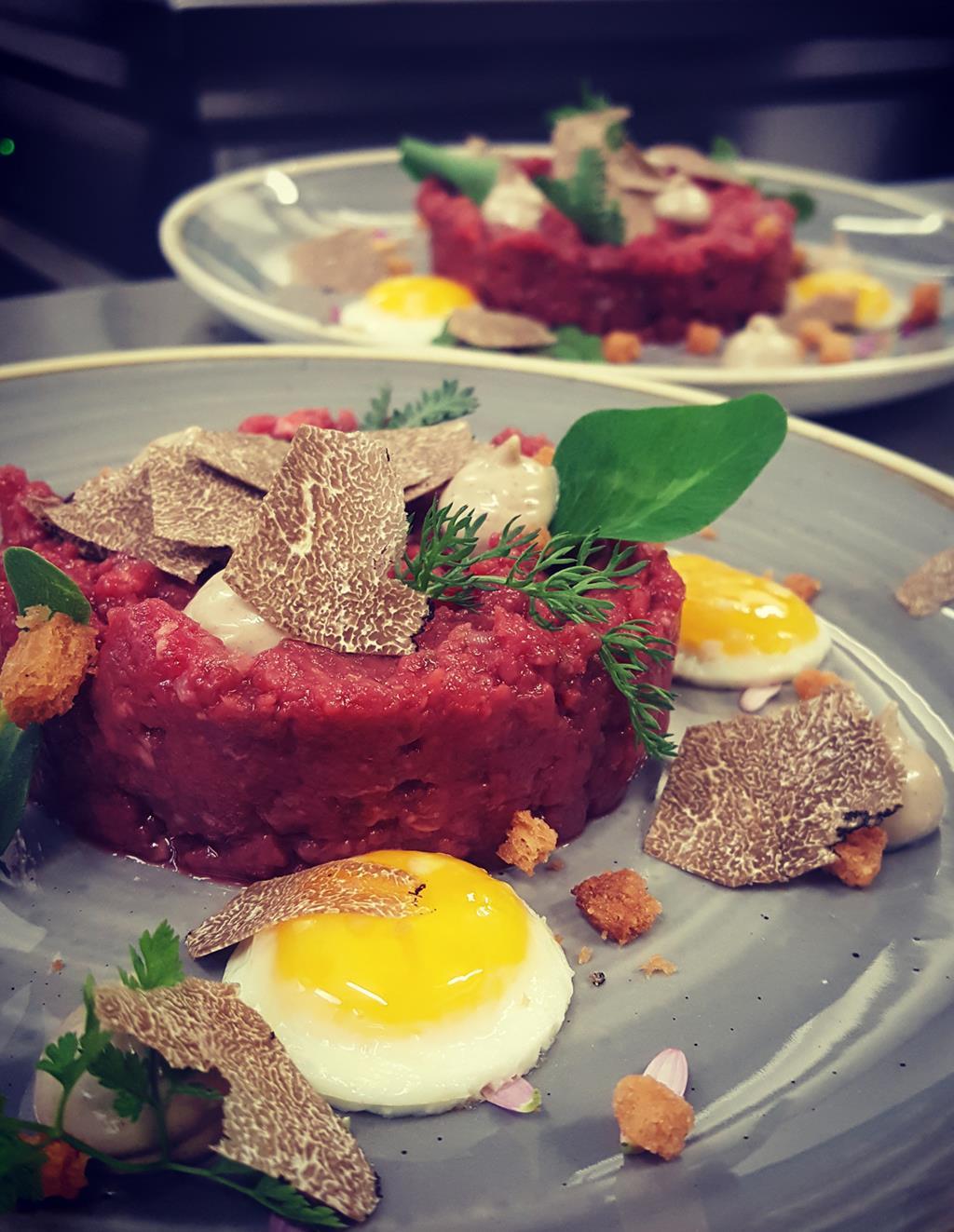
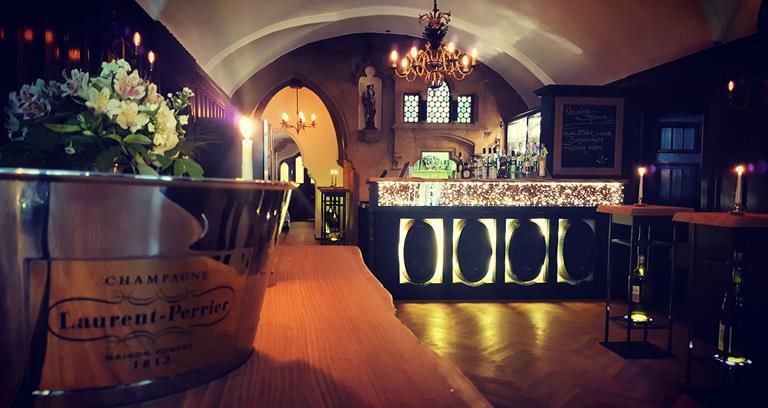
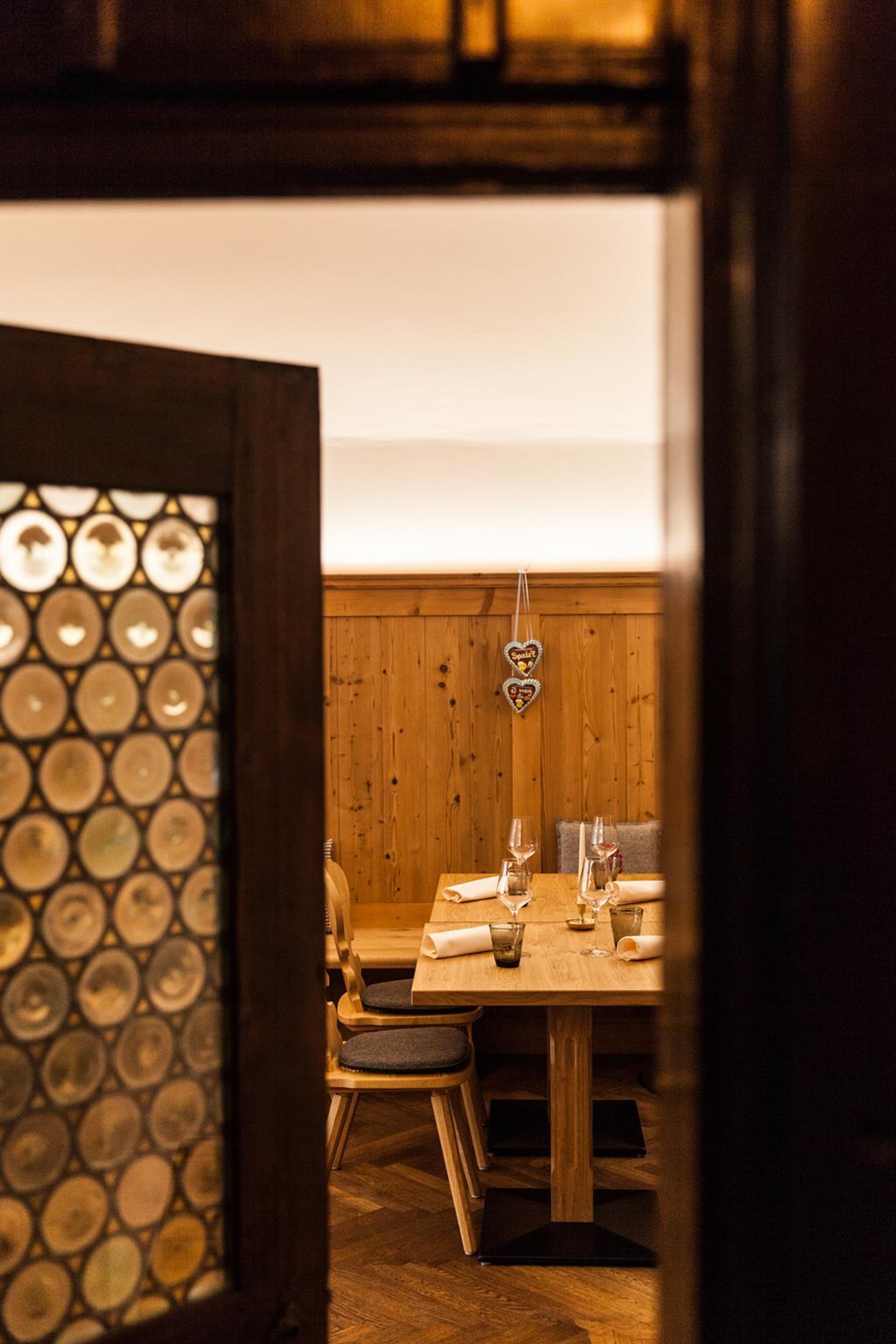
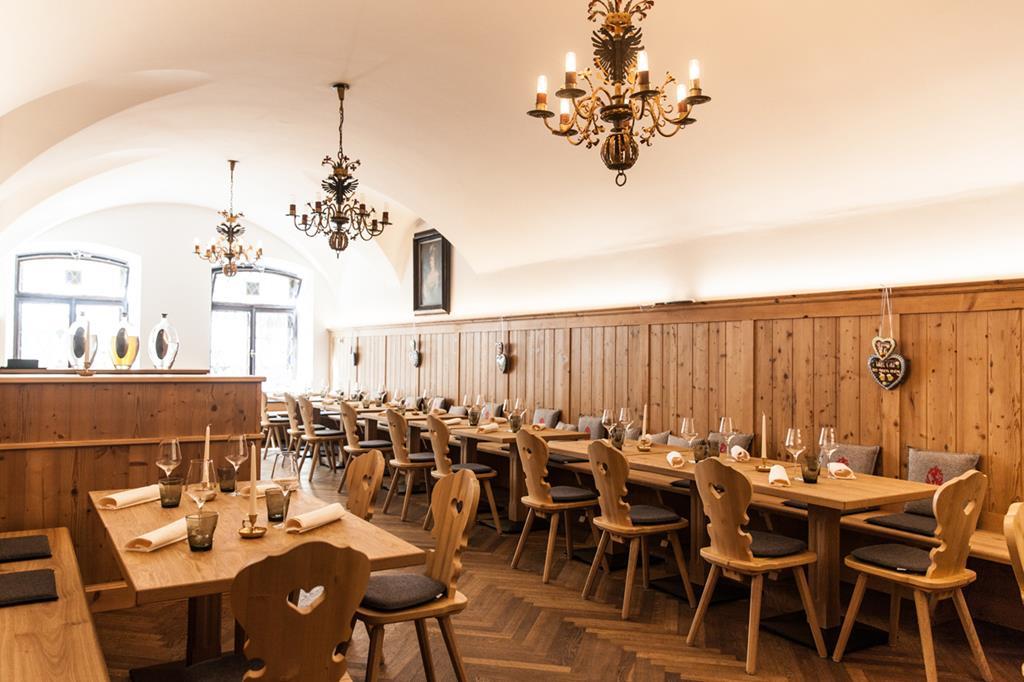
Taken over recently by the team responsible for Michelin-starred restaurant Les Deux – another Munich staple – this traditional guest house boasts a long history dating back as far the 15th-century. Today, the Weinhaus Neuner is split over three areas: Restaurant, Stüberl (an informal, pub-like room) and Schwemme (bar). Bavarian and Austrian cuisine lead the culinary proceedings, with chef de cuisine Johann Rappenglück’s elegantly presented dishes an eye-pleasing spin on Teutonic classics. A well-stocked cellar hosting primarily German and Austrian labels fuels the wein of this haus, the cosy Schwemme – aside from the restaurant and Stüberl – a welcoming space that pours by the glass and serves smaller morsels.
LATEST ARTICLES
Return To Nature
From dinner for two in a lantern-lit cave in Morocco to futuristic spa treatments in primordial forests, the natural world is increasingly taking centre stage on jet-set itineraries. Herewith, 20 of the most enticing destinations where the elements set the pace.
A Feast for the Senses
From fine dining in soaring skyscrapers to Michelin-minted eateries inside the world’s great art institutions, today’s most memorable restaurants pair serious culinary chops with extraordinary – and Instagrammable – settings.
The Shrinking of Art
While some numbers point to a flailing global art market, a closer look reveals the advent of a new generation of collectors – one who eschews large-scale paintings and sculptures in favour of readily portable pint-sized treasures with a more pocket-friendly price tag.
A New Golden Age
The hotly anticipated debut journeys of the Orient Express Corinthian trace some of the Mediterranean’s most beguiling sites, pairing storied coastlines with the brand’s signature glamour
Connection Over Convention
With his 111m Oceanco yacht Leviathan, Gabe Newell challenges long-standing superyacht conventions and reimagines life on board through a philosophy that places people at the centre
Back to Wine’s Roots
More than 160 years ago, a tiny insect – phylloxera – upended the wine world by decimating European vineyards. In recent years, a growing number of winemakers have been resurrecting the grapes and traditions of ungrafted vines to get a taste of that lost history, but also to prepare for the future.