Heart & Sole
Makers of fine leather footwear for nearly 150 years, the fifth generation of the family-owned Crockett & Jones is betting on an in-house training school to keep the art of the craft alive.

Handmade shoes are a beautiful thing. In an increasingly, alarmingly AI-driven world, the Goodyear-welted brogues produced in the family-run Crockett & Jones Art Deco HQ and its attached factory in Northampton, England, represent reassuring, classic luxury. The brand’s signature welting means that worn-out soles can be snipped off and repaired time and time again, for a lifetime or more. The business itself has proven just as enduring as its shoes: founded in 1879, it is currently run by assorted members of the Jones family, including managing director Jonathan (great-grandson of founder Charles), his brother Nick, and Jonathan’s son-in-law James Fox. This is a brand based on longevity.
In a handsome wood-panelled showroom on the first floor, there are rows of new-season styles close to shelves of highly ornate, elaborately decorated Victorian riding boots. On a plinth below them sit the wooden lasts produced to make shoes for the late Queen Elizabeth II, marked in Biro that reads, matter-of-factly: “HM THE QUEEN”.
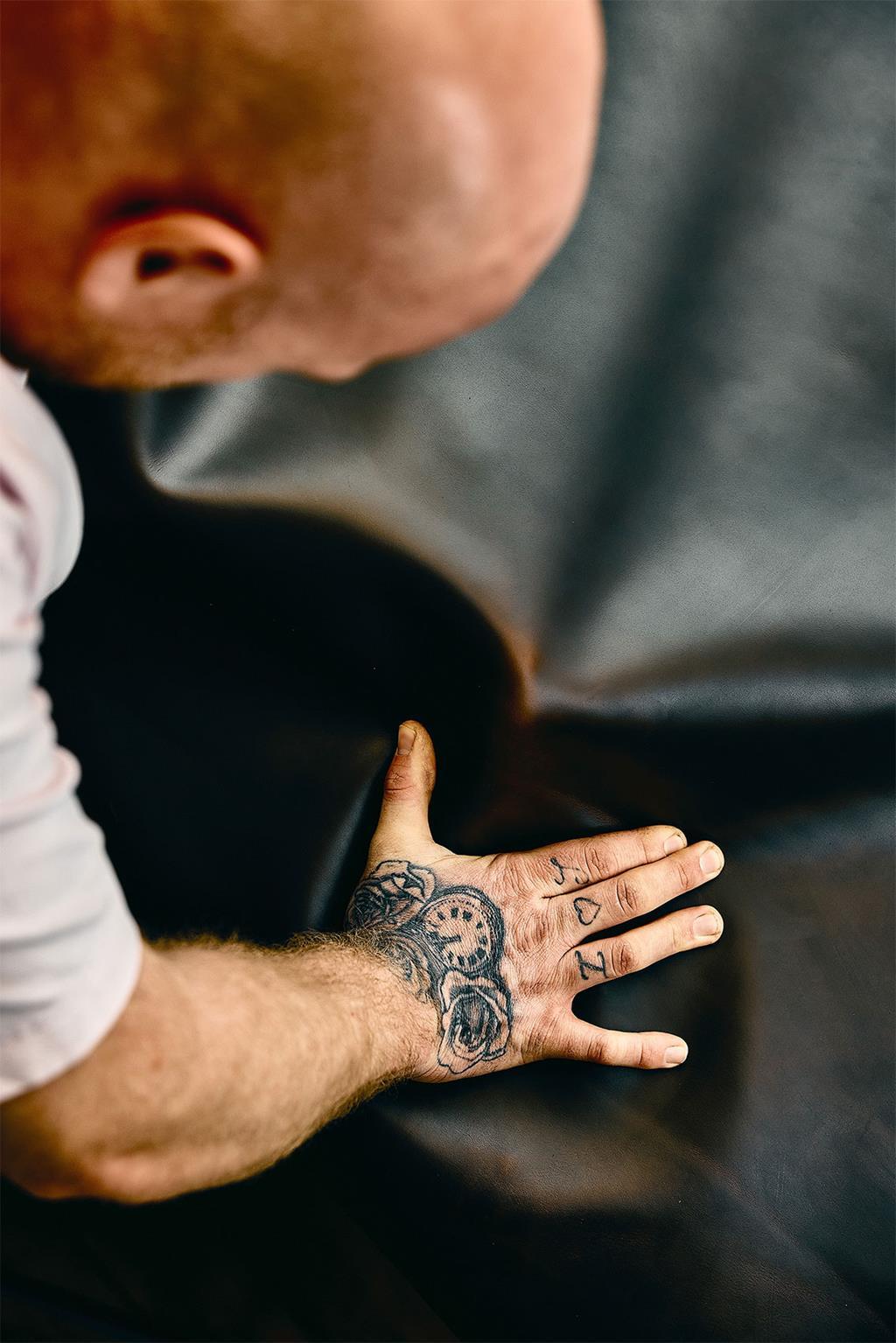
“Our biggest expansion was between launching in 1879 and the First World War,” says head of marketing James Fox, who is married to Philippa Jones, who became the first of the family’s fifth generation to join the company at age 21, 20 years ago. “The company was commissioned to make soldiers’ boots. And that happened again in the Second World War. Fast forward to the 1980s, and we were developing shoes with Ralph Lauren. We’re enjoying huge growth again right now and making 85,000 pairs of shoes a year because the trend for sneakers with suits has passed. We are even making walking boots for the customer who is loyal to Crockett & Jones and wants something to wear at the weekend with their jeans.”
On the top floor of the main factory, staffed by 235 shoemakers, is the Crockett & Jones Training School. It’s at the end of a remarkable row of rolled-up leather hides stacked from floor to ceiling. There are Singer patching machines from the early 1900s, huge spindles of thick waxed cotton thread, and shelves of obsidian-like black patent-leather pumps agleam in the afternoon sun.
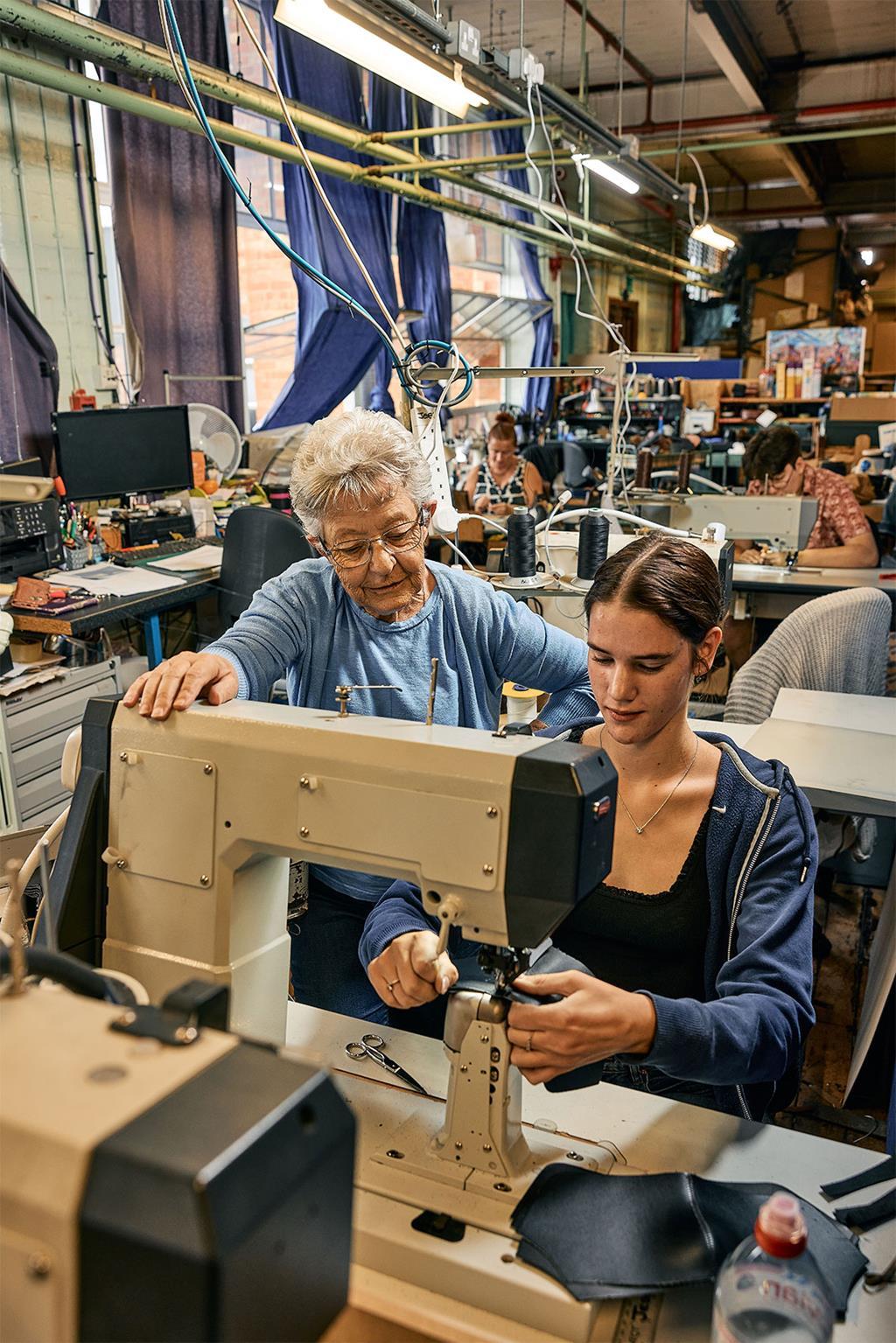
The school was set up in 2018, when production director Nick was introduced to Jess Mitchell, who had effectively retired after running closing rooms in various factories around the town. A skilled closing room is crucial – it’s where the upper of a shoe is hand-sewn, punched, stained and formed. Keeping the factory floor supplied with properly trained, enthusiastic and committed employees is what the future of the company depends on. “We have the biggest closing room in the country right now,” notes Fox. “It’s something we don’t want to outsource. About half the cost of a shoe goes into the closing. Before the First World War, all that work was done by people in houses near the factory. It was a cottage industry.”
Mitchell now has one of the most important roles in the business, constantly tutoring six or seven individuals at a time. “We get all sorts of students,” she says. “Some are straight out of school or fashion college, or they might just want to change careers and learn a new skill.” Mitchell gets her students to practise working on scrap pieces of leather to build their confidence. “The first thing they learn is how to set up the tension and stitch length right on a machine. The hardest thing to teach is how to recognise when something isn’t right. You need consistency.”
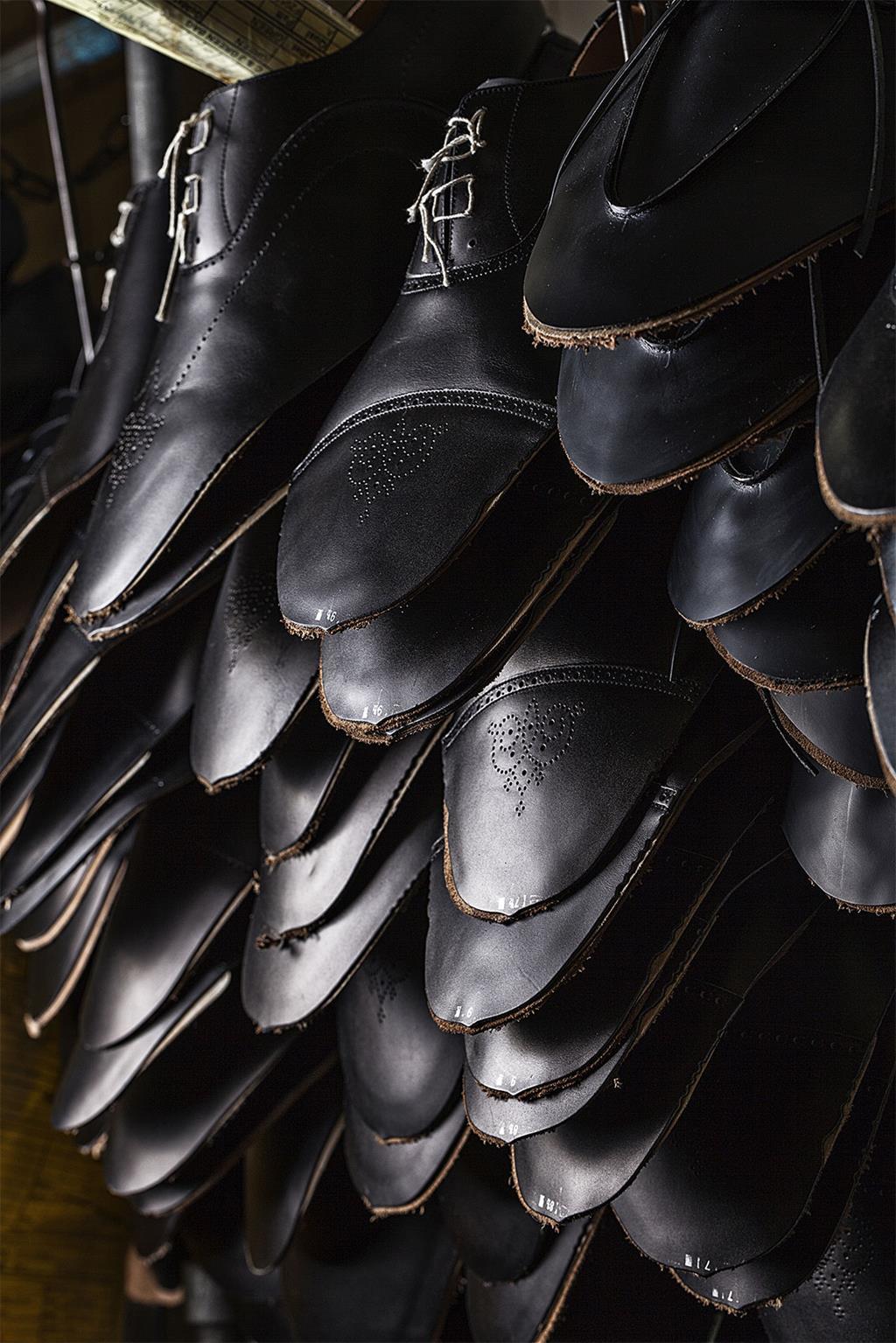
Factory manager Chay Cooper is in charge of production and works closely with Mitchell. “Having her is a real blessing,” he says. “Our standards are so high. Even if you already have machine skills, you may not be at the standard we require. So, we spend three, six or nine months training someone to reach that standard.”
Making shoes is hard. It’s part of cordwainer lore that the actor Daniel Day-Lewis retired from acting for five years to learn how to make them with a master artisan in Florence. “Some people can’t grasp sewing skills, but they have a natural skill for another type of work,” Cooper explains. “So we relocate them.” The school is making connections with Northampton College, where there’s already a footwear apprenticeship programme. It is also working on developing existing employees’ skills. There are several cases of siblings of fully trained employees being attracted to study under Mitchell with a view to long-term prospects.
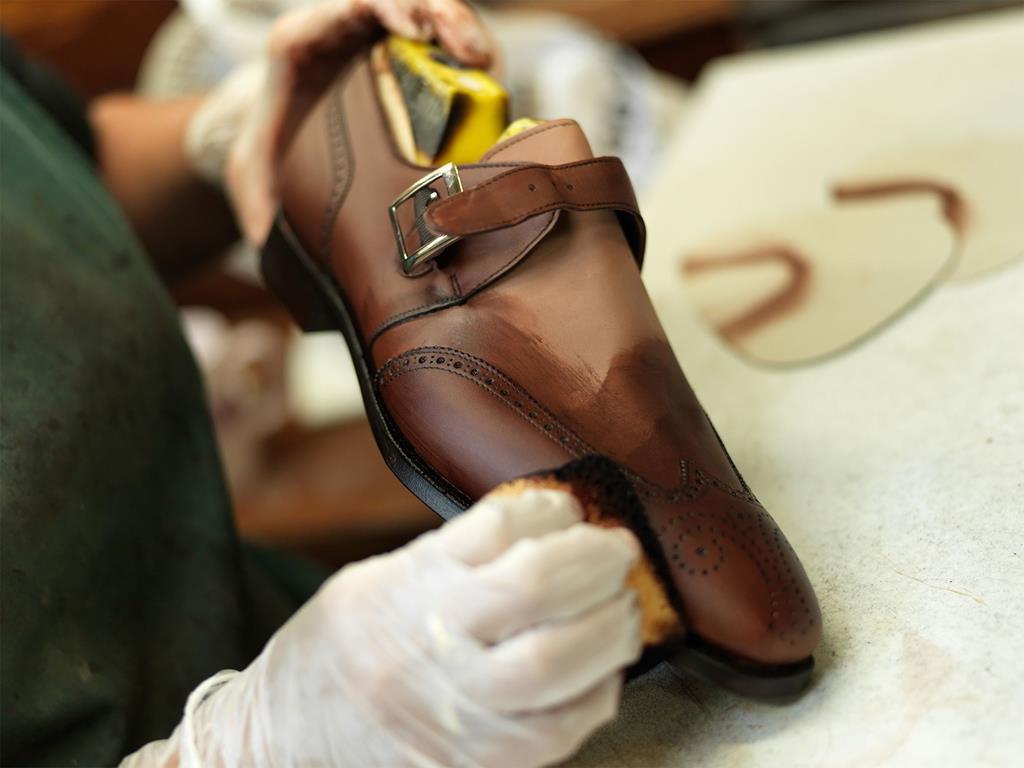
Shannon Love is one of Mitchell’s current students. She was already working for the company in the closing room downstairs before taking maternity leave. “I came back last summer, and management asked me how I’d feel about progressing and learning how to use machines I wasn’t familiar with,” she says. “It’s going really well. I love the environment here. Everyone knows one another, and it’s so friendly.”
The family at Crockett & Jones knew for years they wanted to establish a school, but it took Mitchell to make it happen. “The skill pool has got smaller in the industry,” Fox points out. “You used to be able to poach someone for a role, but that doesn’t happen any more. We can’t just put an advert out for a fancy stitcher. We had started a lot of buddy schemes, but we couldn’t just rely on that. We were putting people on production lines that weren’t production-ready. Jess had basically been cast aside, which is so typical in corporate business. We thought it was crazy. She had nearly 50 years of experience, and she’s a real pocket rocket. She knows every single job and skill in the closing room.”
The school is part of future-proofing Crockett & Jones. Northampton has been the centre of fine shoemaking in the UK since the 13th century and is world-renowned within the trade. This isn’t about anachronisms; it’s just the best way to make a pair of brogues. Prada bought into that reputation by acquiring the neighbouring family-run Church’s shoemaking business back in 1999 for £106m. “Our family would never sell,” says Fox. “There have been lots of offers over the years, but it’s their life. Even if someone else owned it, I think my father-in-law Jonathan would still turn up for work every day with his packed lunch and carry on working.”
All images courtesy of Crockett & Jones