Paradise Found
Double the size of Bali, yet with a fifth of its population, the Indonesian isle of Sumba has always moved at its own pace – and its burgeoning hotel scene is striving to maintain local traditions.

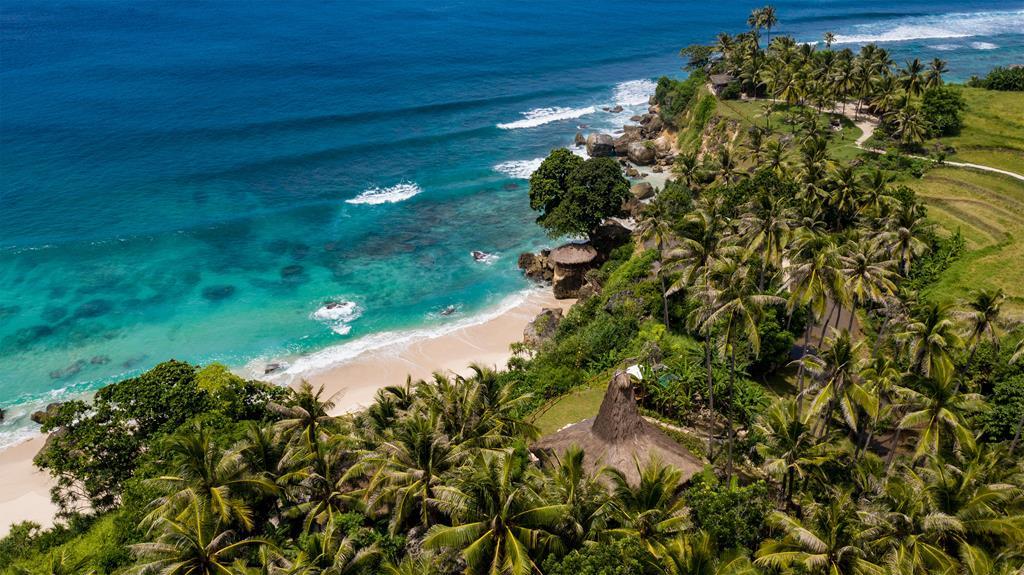
Some describe Sumba as a time machine. With just 30,000 visitors a year, the island is said to offer a glimpse of what Bali was like 50 years ago – an anomaly in a region of the world under siege by mass tourism. Until recently, this Asian frontier was known only to a handful of surfers in search of wide, hollow and seemingly endless waves. They came to challenge legendary breaks and encountered an even more legendary local culture.
Settled thousands of years ago by Austronesian seafarers, the Sumbanese adhere to the animist religion Marapu, which to this day governs daily life among the community and sustains an ancestral way of life. People stay in huts whose spectacular roofs shelter the spirits of the ancestors. Buffaloes are sacrificed for important occasions. And above all, life is devoted to preparing for the afterlife.
 (Photo: Tania Araujo)
Since the pandemic, numerous hotel developments and growing word-of-mouth interest have brought the island to a tipping point. So much so that Ratenggaro – perhaps the island’s most famous village, thanks to its photogenic appeal perched, as it is, on a cliff above a crocodile-infested lagoon – is gradually starting to resemble Disneyland. “Bali has exploded to such an extent that travellers are desperately searching for alternative destinations,” explains Felippe Dal Piero, founder of Mahalo Experience, an outfitter for tailor-made surf expeditions around the world. “Sumba ticks all the boxes, with both very wild nature and a high-end hospitality offering.”
For now, however, many obstacles remain: the island’s airport is tiny, infrastructure is modest, and there’s a strong local culture that places a premium on building community trust before any project can move forward. In 2026, the question is no longer “Is Sumba the anti-Bali?” but rather, “Do we want to turn Sumba into a new Bali?”
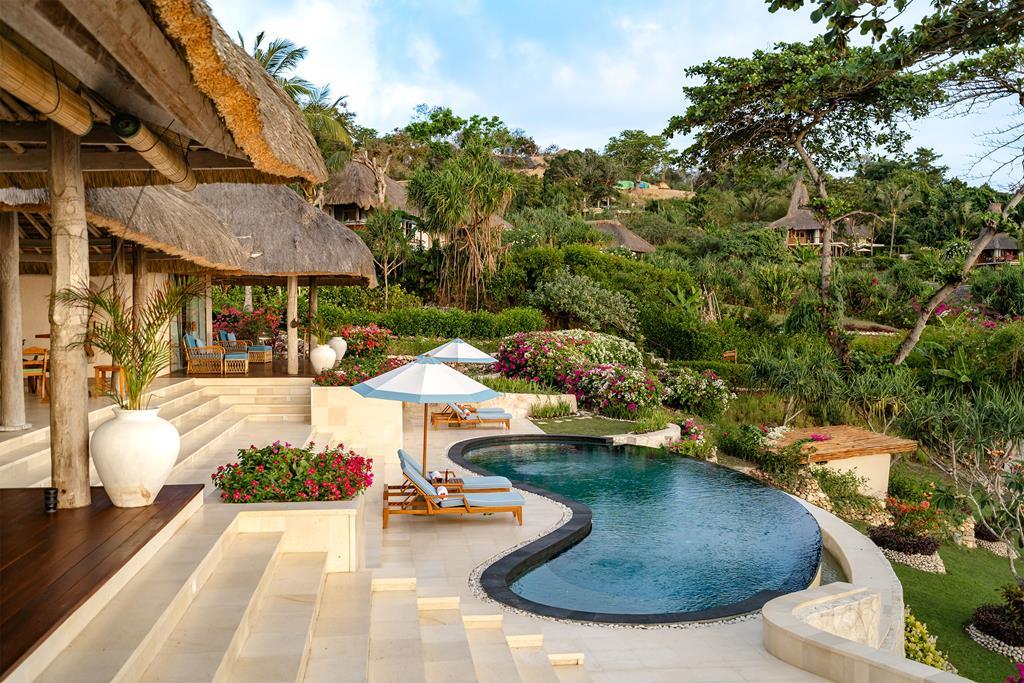
Thirty-eight years ago, NIHI Sumba put the island on the world map. Opened under the name Nihiwatu by American surfer Claude Graves and his wife, Petra, the project is now in the hands of entrepreneurs Chris Burch and James McBride. Although it still attracts travellers seeking isolation, the hotel now feels less like a secluded enclave and more like a traditional luxury resort, with a beach scarred by the construction of new villas and a notable wave – the famous “Occy’s Left”, now gated behind a $150 access fee.
But NIHI knows how to make visitors forget its shortcomings. These days, one of its greatest charm offensives plays out neither in its rooms nor in its restaurants, but through an artfully choreographed experience known as the “Spa Safari”. The adventure begins with a bracing 120-minute hike, a 90-minute horseback ride, or a 15-minute drive toward Nihioka Valley, traversing rolling hills and rice paddies along the way. Upon arrival, guests opt for one of 14 treatments, all created using natural, local ingredients: full-body massages, revitalising wraps, facial or hair treatments, or reflexology in the calming presence of one of the resort’s “retired” horses (part of NIHI’s wide-ranging “Equine Connection” programme). After lunch, served in a hut perched above a private natural cove, the ritual begins. Facing the immensity of the ocean, the geological grandeur of Sumba – believed to be a fragment of the Australian continental plate that drifted north millions of years ago – reveals itself in full.
 © The Sanubari
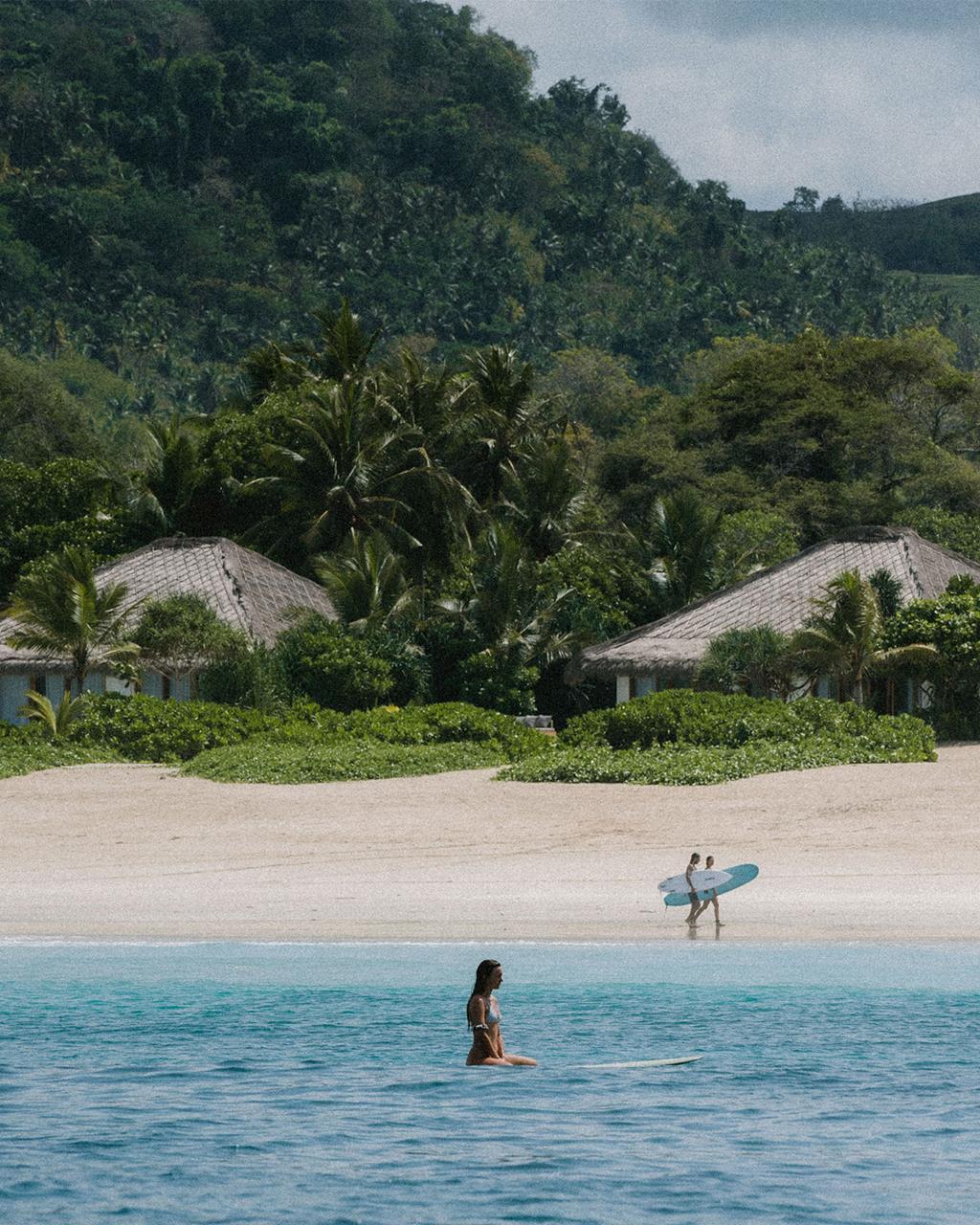
For a long time, visiting Sumba effectively meant paying a premium to stay at NIHI or accepting rudimentary comfort on a homestay along the coast. Rowan and Micha Burn, a young Anglo-Australian couple living in Bali, wanted to create a place somewhere between these two extremes. After four years of attending traditional local ceremonies to earn the ancestors’ approval to settle on Sumba, The Sanubari was born.
Set on the island’s southwestern coast, the intimate hotel boasts 15 spacious villas (some with private pools), direct access to the sea, and a front-row seat to one of the most beautiful sunsets on the planet. Despite a very contemporary aesthetic, the accommodations blend seamlessly into the landscape and incorporate local design vernacular: gabled roofs built from bamboo and alang-alang (a local grass), ikat textiles on the walls, and wooden sculptures representing Marapu symbols.
The Burns have ambitious plans and plenty of space, including a 2.5km white-sand beach framed by rice fields, rocky cliffs and exceptional waves accessible with just a few paddle strokes. Among the future expansions are a new restaurant, residential villas, stables and a farm yielding fresh produce. These additions will help strengthen a currently somewhat underdeveloped (though generous) gastronomic offering and improve service that is still a bit uneven.
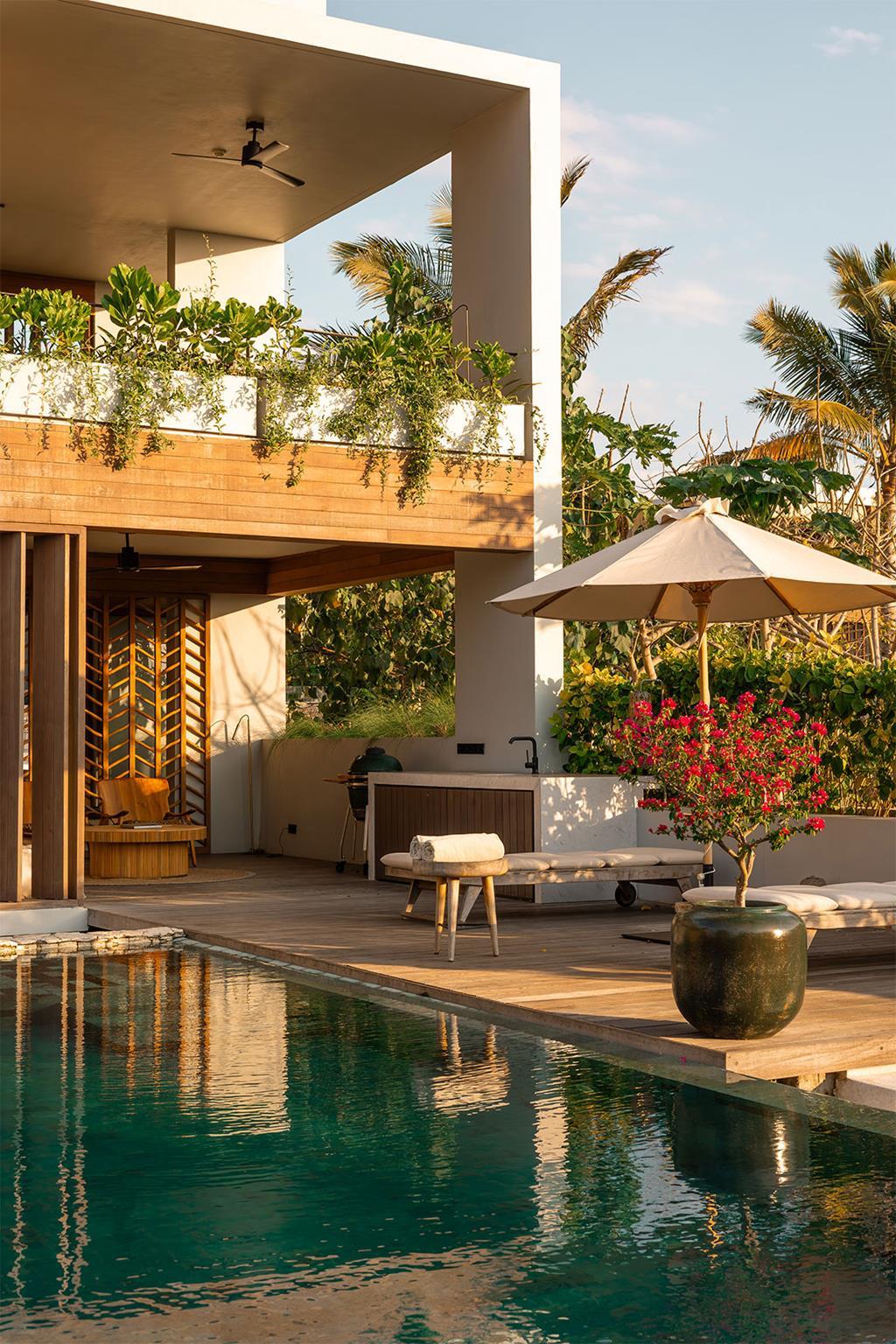 (Photo: Alexandre Pietra)
Food lovers, however, will still find bliss at Cap Karoso, a resort that has become something of a Sumba essential in the three short years since its opening. While its location on nine hectares of rolling hills is an undeniable asset, its restaurant, Julang, is an international-level star. It represents a meeting point between haute cuisine and local commitment, thanks to a brigade of visiting chefs-in-residence who work primarily with ingredients sourced from the garden.
Taking it one step further, owners Evguenia and Fabrice Ivara have launched the Sumba Food Festival, whose next edition will take place from 5 to 18 October. The programme includes two weeks of immersive experiences, tastings and inspired dinners alongside 10 of the most talented chefs from the Asia-Pacific region. It’s precisely this kind of inspiration and creative energy that invites one to ask whether Sumba should follow in Bali’s path – or resist it altogether.
The Right Guide
Half Brazilian, half Italian, Felippe Dal Piero has all the laid-back charm of a nomadic surfer. Yet with him, everything is planned down to the minute. Through his company, Mahalo Experience, he takes surfing enthusiasts to some of the most exclusive destinations on the planet, from Norway to West Papua, Sumba and beyond. His speciality? “Strike missions” – last-minute expeditions organised to chase the perfect wave. His method combines cutting-edge meteorological tools, highly specialised equipment (boats designed for off-grid exploration, desalination systems, etc), extremely rigorous planning and, above all, an intuitive knowledge of the ocean. To host his demanding clientele, he will soon open Konda Maloba, an intimate retreat on the central coast of Sumba. A yacht attached to the property will provide access to rarely surfed waves, with an unmatched level of comfort and exclusivity.
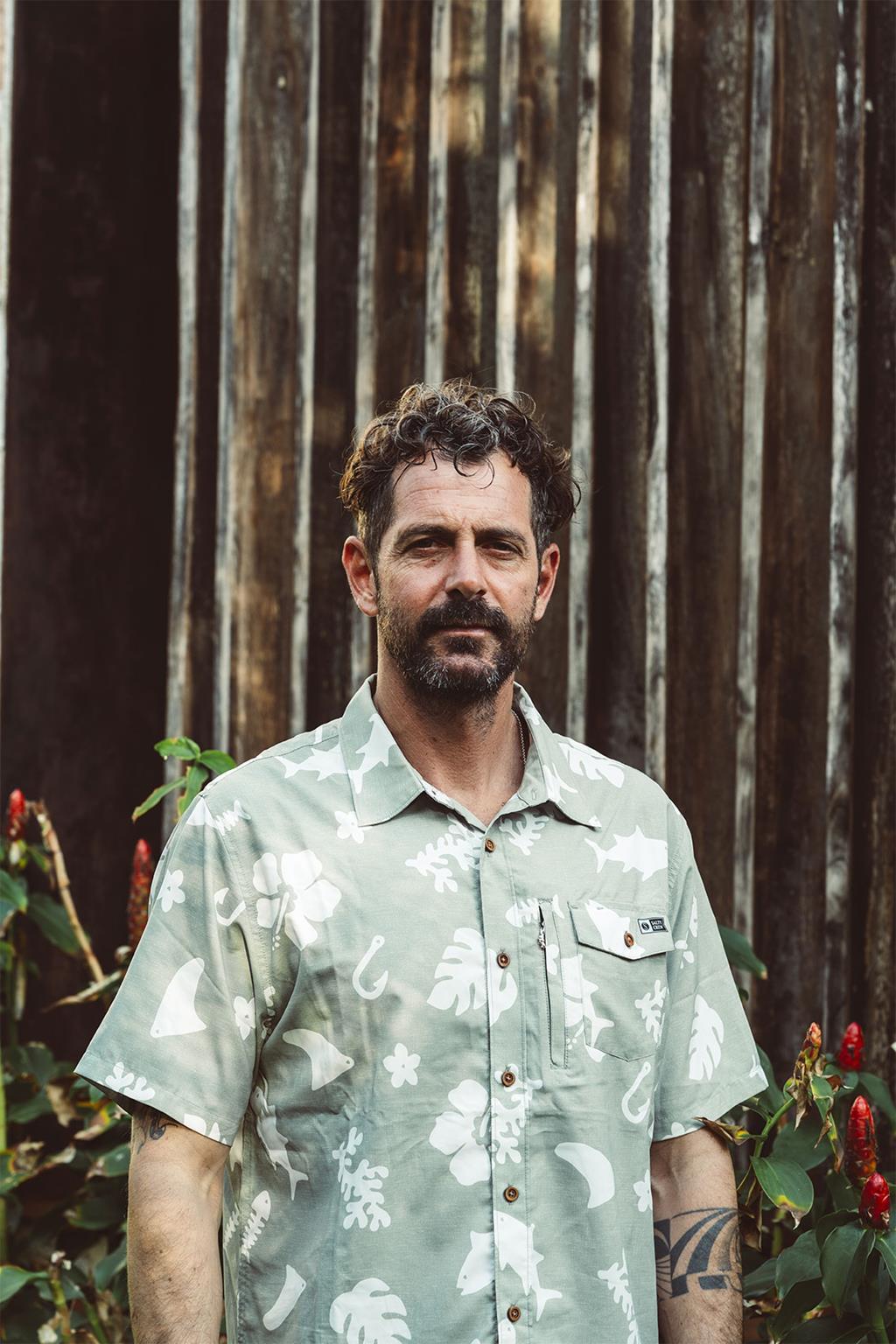 © Mahalo Experience