New Horizons
Nothing but you, awe-inspiring landscapes, the animals and every modern comfort imaginable – a private, fly-in safari is the only way to experience the Kenyan Bush.

There’s a moment, somewhere over the central highlands between Nairobi and the Laikipia plateau, when I realise that a safari is truly luxurious not only when it includes private digs, vehicles, guides and rare access to tailored activities (all of which I’m about to experience) but also extends to the “getting there” aspect. Our pilot, Fred, effortlessly steps into guide mode shortly after takeoff from Wilson Airport’s private air terminal, where the city’s sprawl gives way abruptly to Nairobi National Park. Now we’re banking low over dreamy hiking trails criss-crossing forested hills and verdant plantations, where some of the world’s finest tea is grown and handpicked – low enough to pick out neat rows of tea bushes and marvel at cascading waterfalls between wispy mist belts.
Part of a group of seven travel-savvy women with countless trips to Africa notched up between us, I’m flying in a Grand Caravan, its plush, reclinable tan leather seats and individual headsets for all eight passengers belying casual references to “our little bush plane” – lingo in Africa for all light aircraft capable of being landed on short, dirt airstrips and, more importantly, making the most remote and untouched parts of a vast country, like Kenya, same-day (and supremely comfortably) accessible. No queuing for scheduled charters, no strangers wedged into adjacent seats, and no compromising on timing. Plus, those headsets allow all of us to chat to each other and the pilot, as if it’s a helicopter transfer.
 (Photo: Kalepo Camp)
Private-charter flying feels like the ultimate flex in an era when true luxury means controlling not just what you do and when you choose to do so, but who you share it with. Even during peak migration season, when Kenya’s Maasai Mara heaves with vehicles, the concept of “exclusive use” offers a compelling workaround: you simply won’t be sharing your transfers, guides, animal sightings, sundowner spots or even your picnic breakfast table with anyone outside your party.
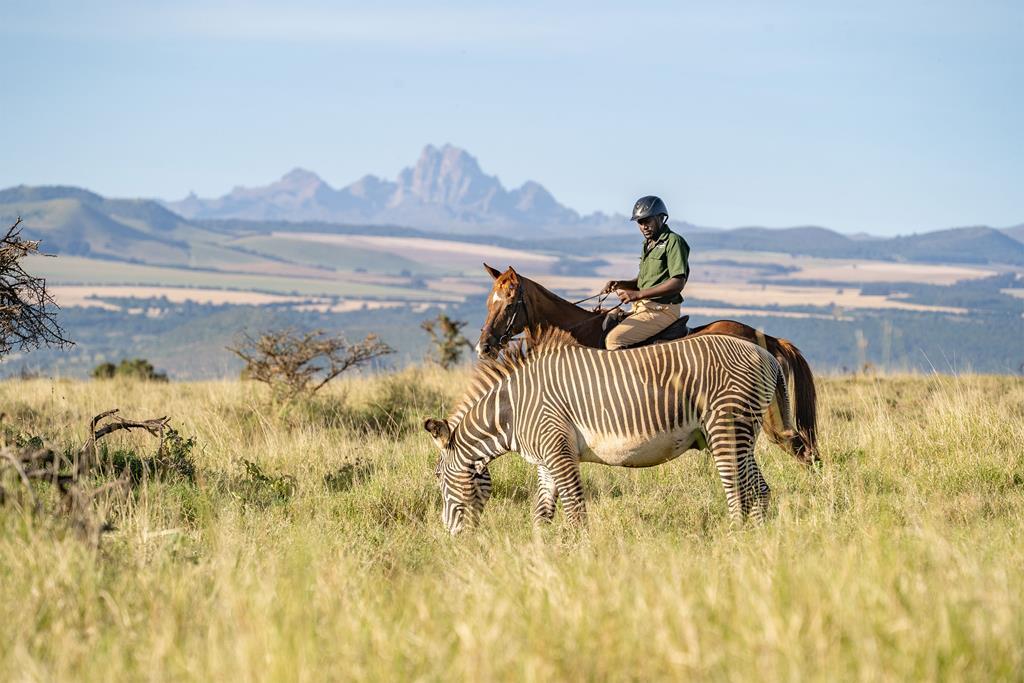
A 45-minute flight later, we’re skimming over Lewa Downs and the largest fever-tree forest I’ve ever seen, picking out rhinos and elephant herds from the air, before being delivered into one of northern Kenya’s most successful conservation stories – an almost 38,000ha expanse encompassing the Lewa and Borana conservancies that protects over 270 black and white rhinos. Private Wilderness – the newest offering from the Craig family, who’ve been welcoming guests to Lewa Downs’ lodge’s nine garden cottages since 1972 – is a thatched, open-fronted home with five guest cottages high above the Eastern Marania River, with armchair viewing of giraffes, elephants, gerenuk and Beisa oryx. The backdrop is close to clichéd: snow-capped Mount Kenya.
Lush gardens give way to the bush and a swimming pool perched vertiginously on the edge of the river, rapids gushing far below. My cottage feels spacious enough for an entire family, with a stoep to sip chai tea and spot some of the conservancy’s 493 bird species through binoculars – tawny eagles, an Augur buzzard, black-headed orioles and a chin-spot batis with its distinctive “three-blind-mice” call.
 (Photo: Teagan Cunniffe)
Privacy includes exclusive use of the lodge’s main living areas, including a grand dining room, bar and library, all furnished with heirloom furniture handcrafted from wood in Will Craig’s workshop. Tea trays, backgammon sets and children’s toys are a few of the packable items made on location, available to buy in the lodge shop, along with chunky, raw-wool rugs made from yarn woven on site.
Taking over Private Wilderness means claiming a private vehicle (two, if you need them) and a personal guide for the duration of your stay. Johnson Gilisho, Lewa’s head guide and our constant companion for three days, has the unhurried authority of someone who knows this land intimately. While the Maasai Mara will always remain synonymous with iconic East Africa, the challenges of overtourism, especially during the annual migration high season, have paved the way for the Laikipia region’s growing popularity for reliably spectacular game viewing – without the crowds.
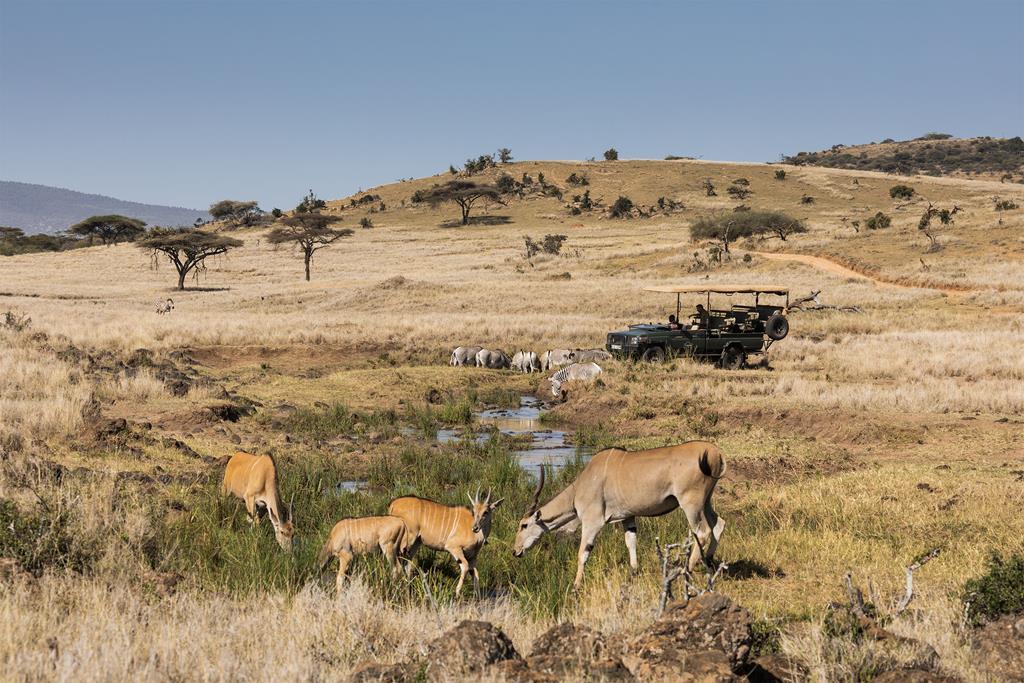
We tally countless rhinos, both black and white; so many crowned cranes and lilac-breasted rollers that we become blasé about them; Jackson’s hartebeest with their heart-shaped horns; and a black-backed jackal hunting a snake in tall grass – the most unusual kill, we watched transfixed from the elevated (and safe) vantage point of our vehicle for half an hour.
 (Photo: Teagan Cunniffe)
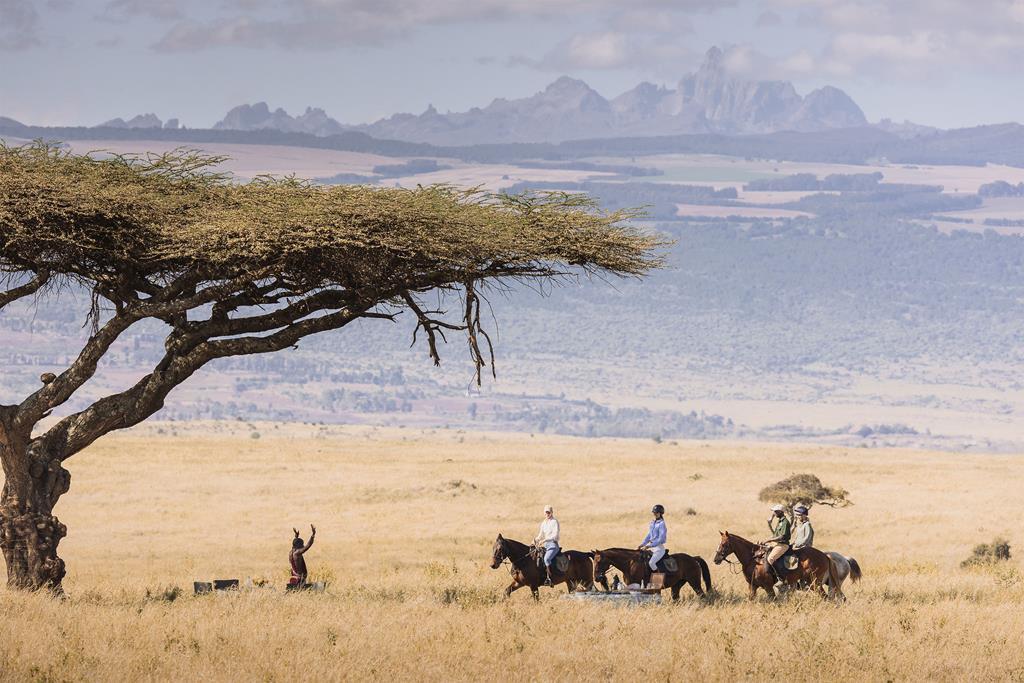
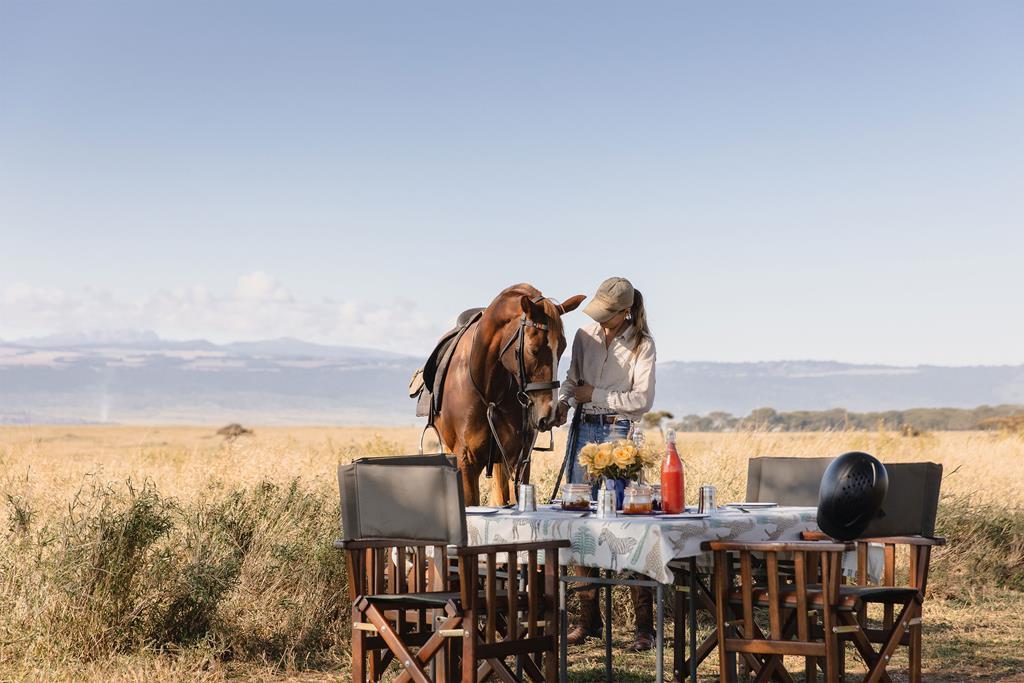
Activities beyond game drives include vigorous bush walks followed by a breakfast feast under a giant acacia tree before meandering back to camp on a camel. Even a novice like me can safely enjoy horse-riding past curious giraffe and impala herds, led by accomplished horsewoman Miranda Simpson (now Craig), who also gives us a sneak peek of her newest “baby”, a day-old foal, back at the stables.
Without a doubt, the most surreal experience of all is the open-cockpit exhilaration of flying over the dramatically varied terrain of the conservancy with Will Craig in his yellow WACO biplane, a replica of the Gipsy Moth flown in Out of Africa. Decked out in a sheepskin-lined leather jacket and ear muffs, it is a Karen Blixen moment to remember.
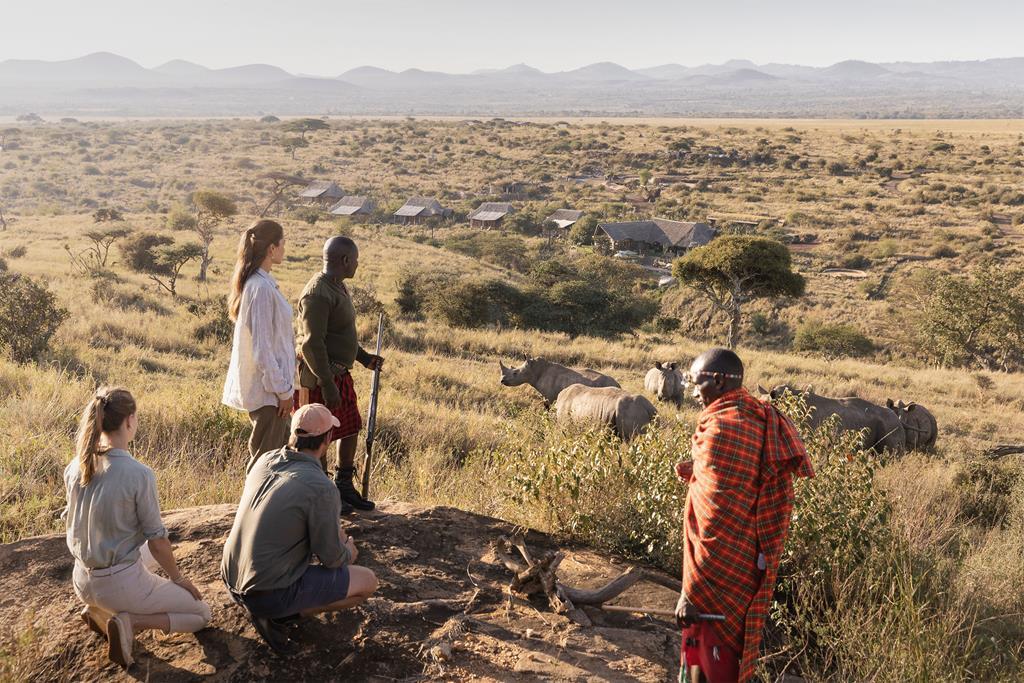
Rather than optional, a visit to Lewa’s headquarters, from which all conservation, community and anti-poaching efforts are managed, is a behind-the-scenes tour you cannot afford to miss to appreciate the staggering scope of the task, including daily accounting for every single one of its 273 rhinos. EarthRanger, software that helps conservationists track animal movements and detect poaching threats, was originally piloted here. For seven consecutive years, there has not been a single poaching incident.
 (Photo: Teagan Cunniffe)
But modern conservation does not succeed without community buy-in. Here, projects include a women’s microcredit programme supporting hundreds of small businesses, from beekeeping to weaving, shifting the pastoralist mindset that wealth equals cattle; four primary health clinics that treat an average of 50,000 patients a year; the provision of clean drinking water for everyone living around Lewa; 27 schools receiving infrastructure support; and fifth-graders taught to code on digital platforms that work offline.
A member of The Long Run, Lewa takes its sustainability mandate just as seriously. Solar power runs everything, and an organic vegetable garden supplies much of the kitchen’s needs, including heirloom tomatoes, aubergines and pumpkins. With almost everything grown, reared or produced on the farm, even the fresh, organic milk in my coffee is from its free-roaming cows. I relish a farm-to-table lunch beneath mango trees, following a guided tour of the garden where the chefs had hand-selected all the fruits and vegetables. This is the sort of place where you can spend three nights and still feel you’ve barely scratched the surface.
Flying north from Lewa into Samburuland, the landscape shifts from green highlands to semi-arid savannah. Kalepo Camp sits at the northern end of Namunyak Conservancy with sweeping views of the Mathews Mountains across some 186,000 hectares of traverse. The camp itself – just five guest tents plus a family tent, only available as a buy-out – is owned and run by Storm and Rob Mason, safari insiders with decades of hospitality experience across Africa and India, and a passion for the positive impact they’re making here that’s contagious.
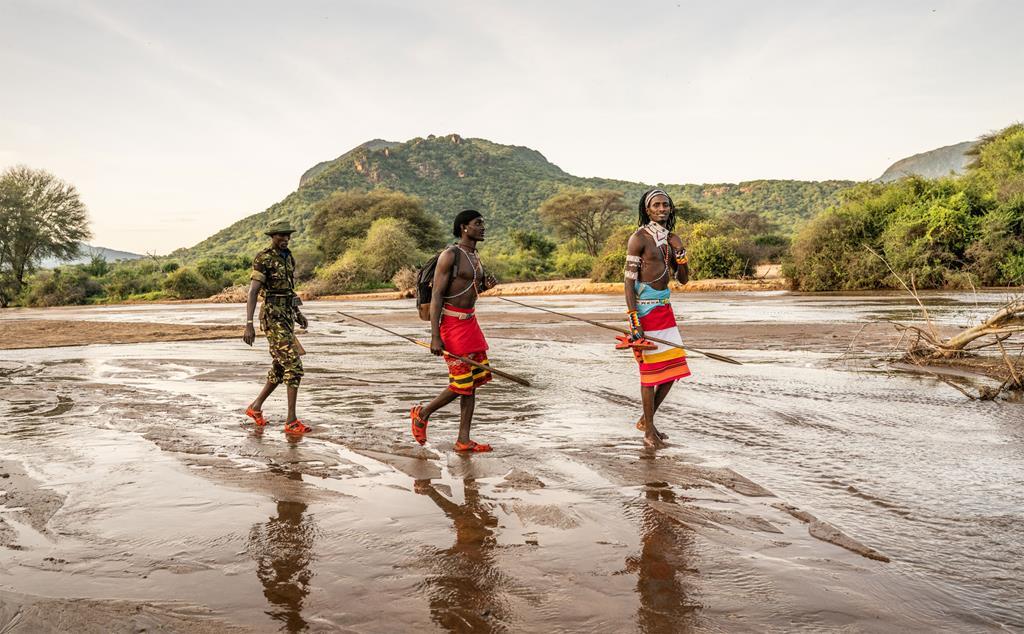 (Photo: James Lewin)
The food alone would justify the journey to this remote outpost, the likes of roasted brinjal halves filled with whipped goat’s cheese and pomegranate seeds, roast chicken, crunchy cabbage slaw with roasted peanuts, and a colourful citrus salad with salad leaves, fresh herbs and nasturtium flowers – all fresh produce from the garden. On the first evening, dinner is served in the dry riverbed under a full moon, bare feet in wet sand, lanterns flickering, devouring fried freshwater fish tacos with bowls of guacamole and chilli washed down with potent “dawa” (medicinal) cocktails. Dessert is equally unexpected: a wooden platter of homemade sweets including chocolate bark, ginger cookie-dough balls dipped in white chocolate, and caramel squares.
The camp’s contemporary design is a study in what guests need most in the hot, dry climate – cool, calm spaces in which to while away time, in between understanding Samburu culture in a way that feels neither curated nor contrived.
To be clear, we’re not here for the ubiquitous routine of twice-daily game drives, which is not to say that you won’t see animals. Rob, an experienced private guide, can’t help but provide an ornithological download of birding brilliance, which helps me to recognise the spotted morning thrush, emerald cuckoo and European nightingale (a summer migrant). Their songs soon became my abiding memory of time in this effortlessly chic, thoughtfully designed little camp. I am comforted by the familiar, mournful sound of emerald-spotted wood doves, and love that vulturine guinea fowls look like Samburu warriors with their elaborate plumage. What could be more calming than falling asleep to the short, soft trill of an African scops owl?
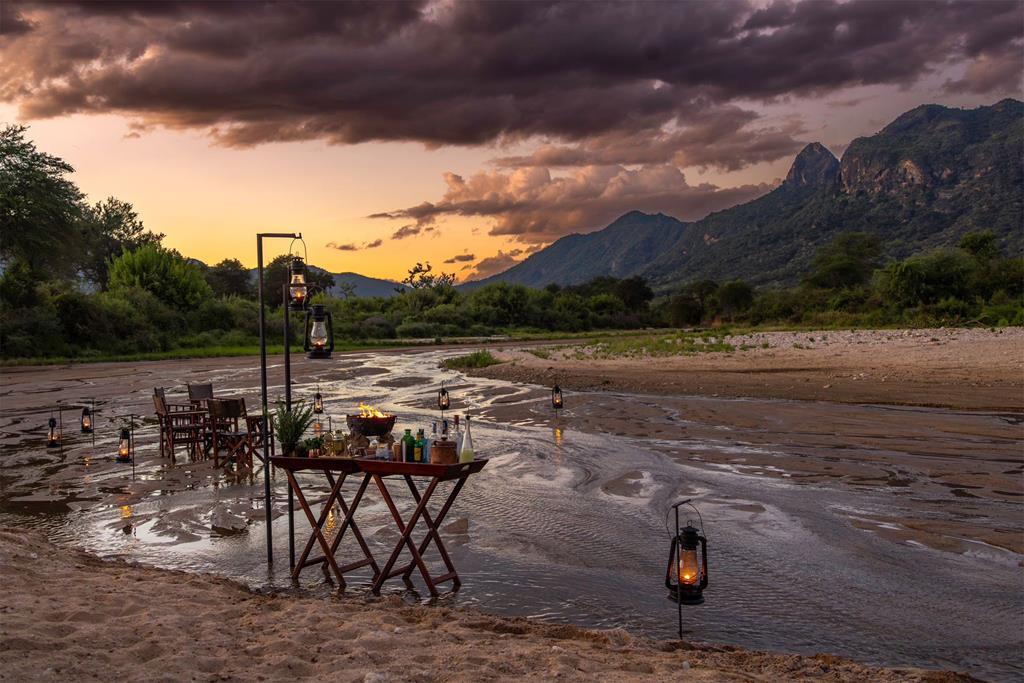 (Photo: Kalepo Camp)
But in the couple of days we spend with what quickly begins to feel like our Samburu family, we’re on a mission to immerse ourselves in their culture, and barely take notice of elephants and Somali ostriches en route to schools, clinics and village visits. What elevates Kalepo from excellent to unforgettable is the rare opportunity to learn first-hand about the intricacies of Samburu culture from young men like Daniel and Joel, our local guides, who follow a prescribed warrior lifestyle as far as possible. One morning, we set out after first light for their village, in time to see the first stirrings of daily life. We watch baby goats being released from their overnight pens, strategically located in the middle of the village to protect them from predators. On wobbly legs, they bleat hysterically until latching onto their mothers’ teats. As is traditional, blood is drawn from a cow’s neck – the artery pierced with a bow and arrow – and drips into a gourd. An elder stirs the fresh blood vigorously with a long stick until it coagulates into what looks like a massive clot, then feeds this to one of the dogs.
Invited into a manyatta (a home), we learn about family structure, sleeping arrangements, circumcision rites and what it means to become a warrior. Back in the day, during the circumcision ceremony, if a boy flinched or so much as blinked, he would be killed, rather than disgrace his clan. A highlight is attending the warrior games, which begin with chanting, singing and an earnest prayer to their god, Engai, before the fun begins: jumping competitions, voting for the best-dressed warrior, spear- and club-throwing, and sprinting.
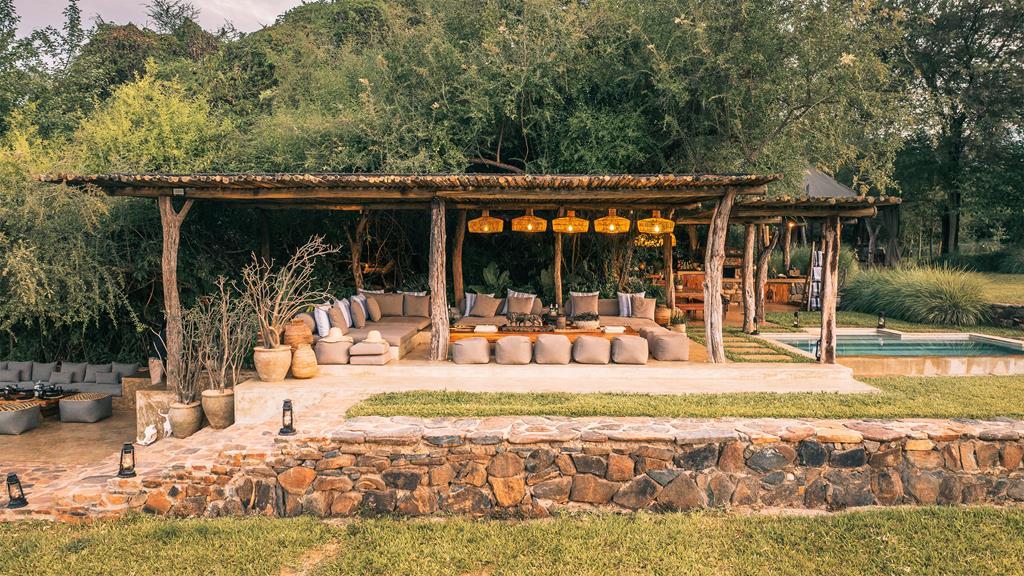 (Photo: Kalepo Camp)
I’ve been fortunate to toast the setting sun in many “pinch me, I’m surely dreaming” places across Africa, but drinking champagne on top of the Mathews Mountains range rates as my new yardstick for sundowners with 360-degree views forever. Andrew, from Kenya Choppers, whisks us to the mountaintop in his helicopter with the doors off for maximum thrills as he flies precariously but expertly close to sheer rock faces with endemic cycads growing out of them and plunges into forested ravines dense with indigenous Cape chestnuts, wild sandalwoods, yellowwoods and East African cedarwoods. The entire gravity-defying flight, landing, drinks stop and return leg, rock music blasting through our headphones as we watch the full moon rise majestically over the far hills, is, in a word, epic.
Our final stop on this private circuit of dreams feels like entering a completely different world – 2,100 metres above the Maasai Mara, to be exact. After a scenic flight south on our private plane, we take a steep, single jeep track to the top of Kileleoni Hill. At first glance, Wild Hill is an architectural statement. It’s the newest and most luxurious addition to Collection in the Wild, owned by Kenyans Lippa and Tarquin Wood. Built into the hill, it has officially become the highest property in the region, and what it offers is definitely a soft landing, either at the start or end of a rigorous safari. Architect Pollos Purdon’s brief was to create something evoking ancient Africa while offering the intimacy and warmth of a private home. No mean feat. The property sleeps 10 adults and four children in five luxurious suites – each the size of a villa – strung along the edge of the escarpment.
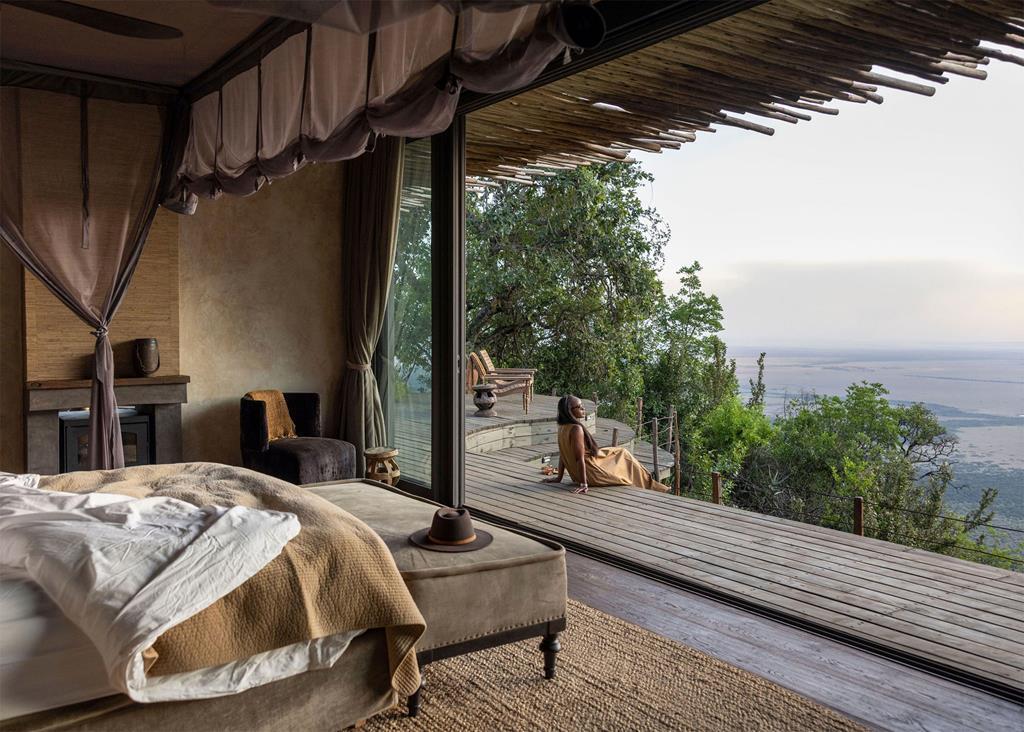 (Photo: Blackbean Productions)
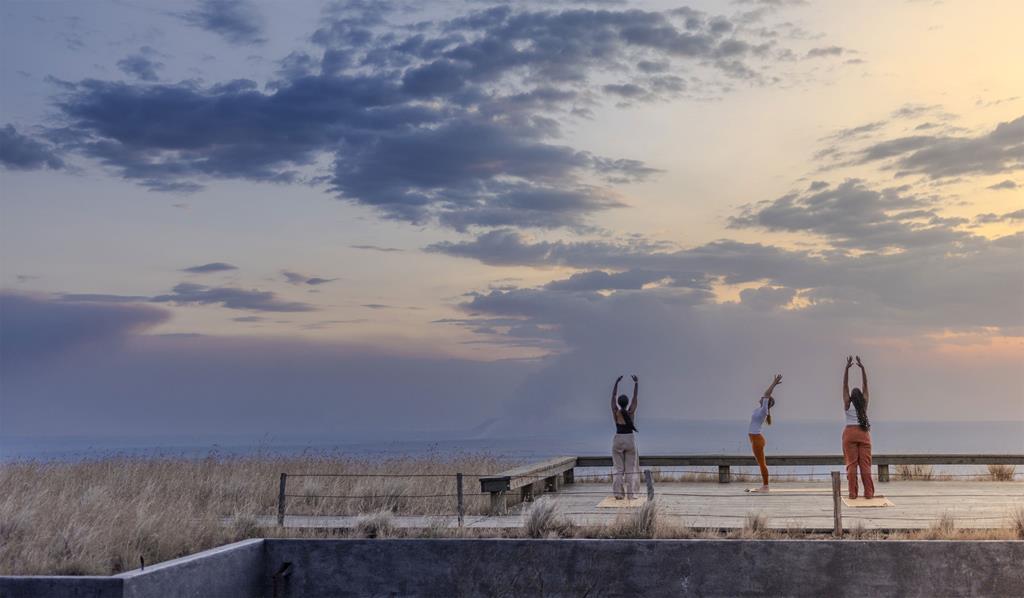
In such vast, high-drama surroundings, it could have felt anything but warm and inviting. The difference is the heart-filled, intentional service that trickles down from the managers, Solveig and Dave, who have created something genuinely special among their team, anchored in holistic wellness. You can tick off Big Five sightings, but it’s an altogether different sort of safari that makes space for introspection, physical wellbeing and genuine rest between morning and afternoon out-of-camp activities.
From sunrise, outdoor yoga with Sol and sound-bathing sessions with Dave to bespoke treatments in the spa, everything is complimentary – included in the nightly rate. Besides an exquisite double treatment room and hair salon (who knew you could have a professional-level blowout in the clouds?), there is also a wood-fired glass-fronted sauna overlooking the view, and an outdoor ice bath and wood-fired jacuzzi for DIY hydrotherapy. There is also a fully equipped gym and a pickleball court. Activities beyond game drives and sophisticated yet high-touch spa treatments include fishing, walks, horseback riding and beading.
 (Photo: Blackbean Productions)
Each of the suites has a Swahili name, and you enter through Zanzibari double doors into a living room which leads, in turn, to the main bedroom, all with sliding glass doors opening onto a wraparound, cantilevered deck and stupendous Mara views. The bathroom’s Victorian pewter bath has windows that slide open, too, and from the outdoor shower, I see birds hovering in thermals above the kopjes. It’s a self-contained haven, from the thoughtfully stocked minibar (all homemade or locally produced goodies) to the art supplies and library of books.
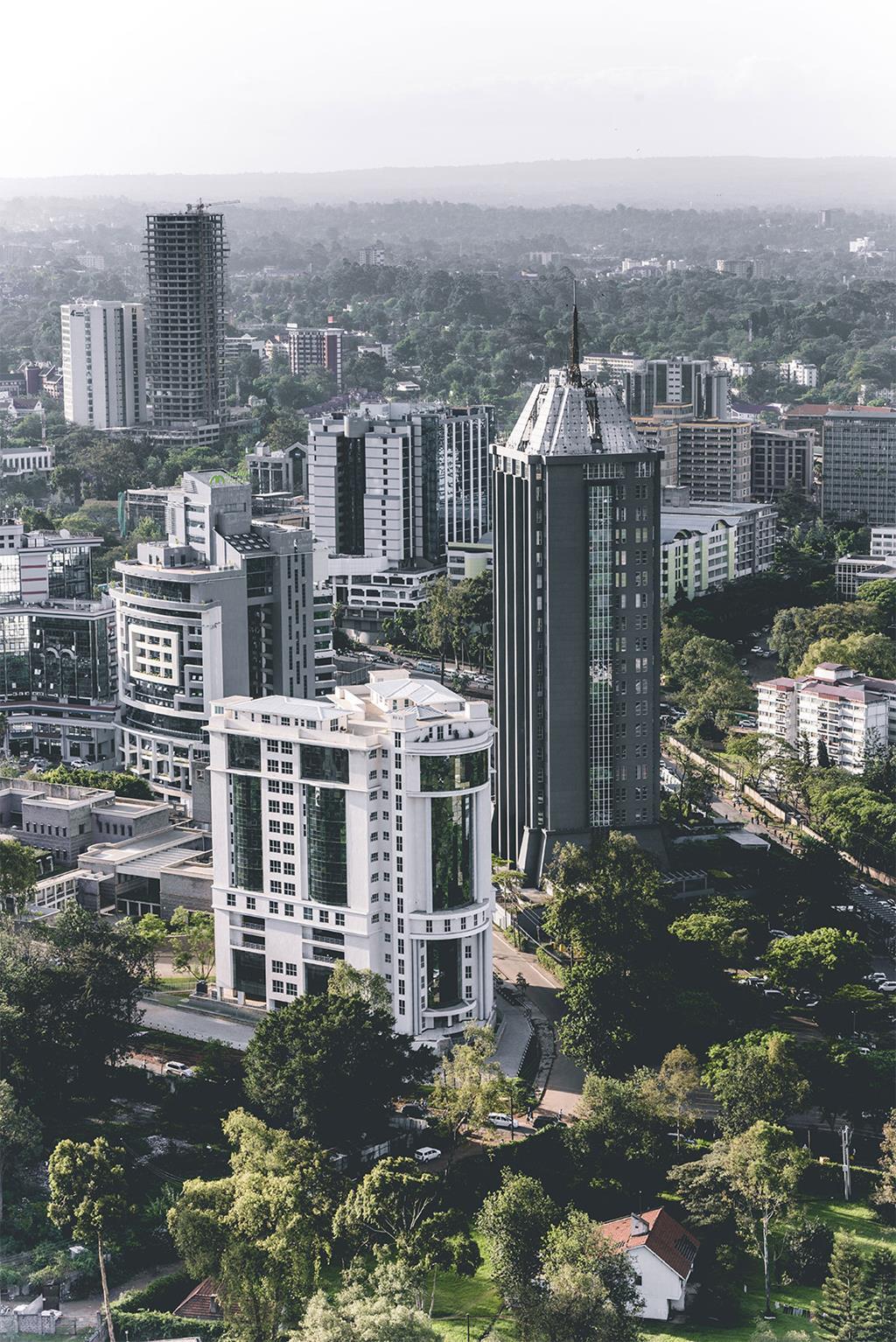
Flying back to Wilson Airport on our final morning, watching the patchwork of farms give way to Nairobi’s skyline, I calculate not just the wildlife I’ve seen – the glut of rhinos at Lewa, the lion cubs in the Mara, and the endless parade of elephants – but the moments and experiences that could never be replicated on a scheduled group trip, no matter how exclusive.
Kenya in a Nutshell
 (Photo: Lewa Wilderness)
When to Go
Kenya is a year-round safari destination, and there’s far more to this country than the Great Migration. While June to October remains peak season for catching the Mara’s river crossings – timing never guaranteed, as herds follow the rain – don’t limit yourself to this window. January through March offers mild, mostly dry weather, fantastic game viewing and fewer crowds at better rates. Kenya’s diverse geography means every season has something extraordinary to offer beyond the migration narrative that dominates the conversation.
Getting Around
Air Wilderness offers private air-charter services that transform how you experience Kenya’s remote corners. Skip scheduled flights and fly directly between safari camps, maximising your time in the wilderness rather than in transit. With flexible scheduling tailored to your itinerary and the ability to land at private airstrips inaccessible to commercial flights, you’ll enjoy seamless, exclusive access to Kenya’s most pristine landscapes. It’s not just convenient, it’s the only way to travel when time is precious.
24 Hours in Nairobi
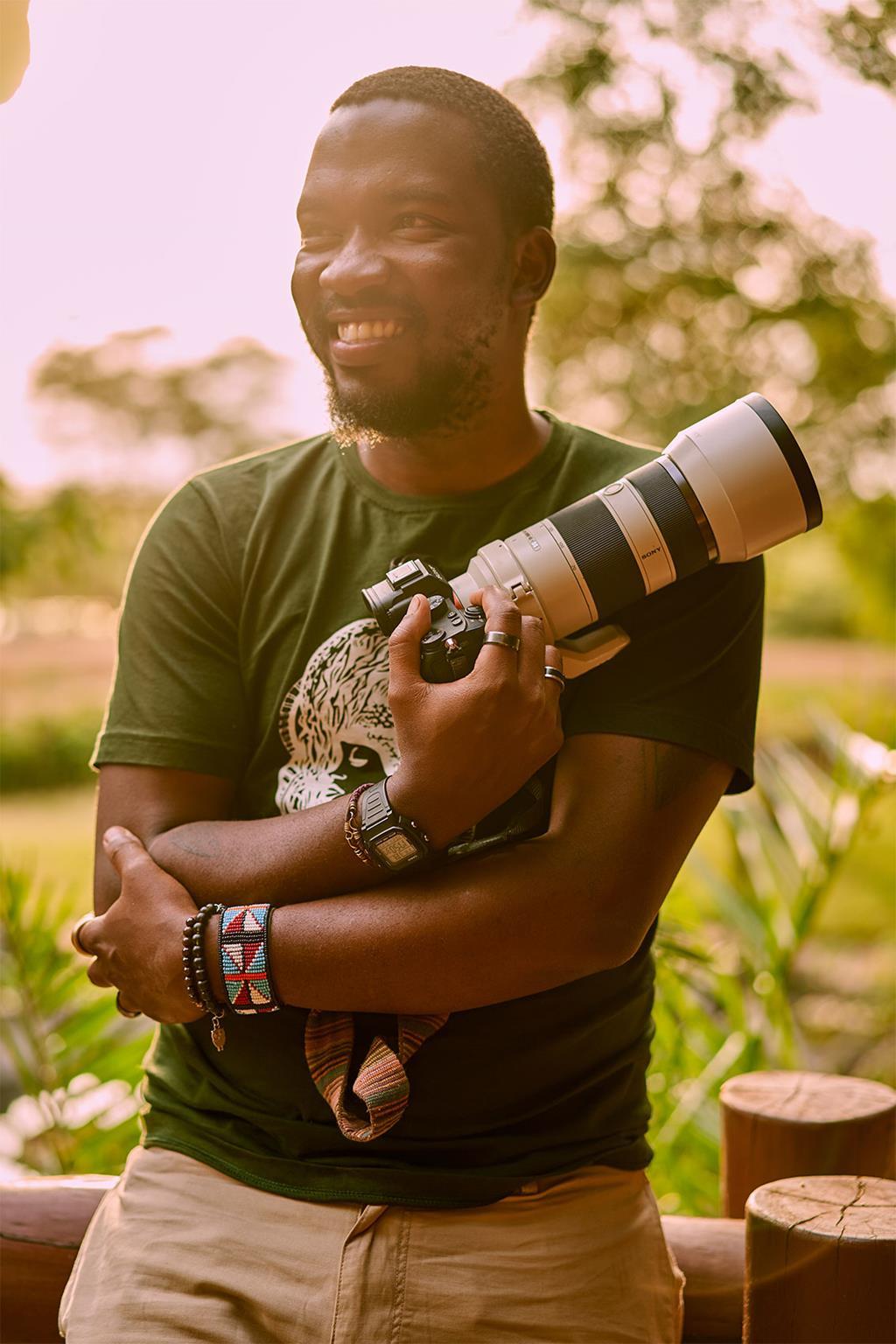
Brian Siambi, a young Kenyan photographer plugged into Nairobi’s creative pulse, shares his perfect day.
 (Photo: Lydia Wanjiku)
Start at the National Museum to understand Kenya’s history and culture, then hit Village Market for jewellery designer Adele Dejak and Kitengela’s glasswork. Pop into Spinners Web for African designer fashion and homeware. Late lunch at The Canteen delivers farm-to-fork freshness in a space beloved by local creatives – head upstairs to Rummage Studio for upcycled Nairobi-inspired bags and gifts. Refuel with artisanal coffee at Hikuri Espresso Bar before hitting One Off Art Gallery and Red Hill Art Gallery for cutting-edge Kenyan works. Round out the afternoon feeding Rothschild’s giraffes at the Giraffe Centre, especially magical with children. Evening calls for Geco Cafe's BBQ and live-music lineup, Hero Bar for cocktails with a view, or dance until dawn at Muze or Koda, where world-class DJs spin house, Amapiano and local beats.
Our Favourite Nairobi Hotels
 (Photo: Nirian/Getty Images)
A peaceful Swahili-inspired homestay in leafy Karen, perfectly positioned near Daphne Sheldrick’s Elephant Orphanage, the Giraffe Sanctuary and Nairobi National Park.
Part of the Hemingways collection, this nine-room creative retreat in Langata borders the Giraffe Sanctuary Forest. Once an artist’s family home, it centres on the Artisanal Gallery, celebrating contemporary African art.