The Other Side of Paradise
Bali is increasingly embracing sustainability in response to over-tourism – with remarkable results.

It’s a complicated moment to talk about Bali as a destination. The Indonesian island is going through a severe environmental crisis with the collapse of its waste-management system, clouds of thick, toxic smoke, and cliffs carved up by excavators.
At the same time, people keep coming – and coming. Long romanticised by much of the world as the ultimate tropical paradise, it has gradually fallen into the trap of its own fame: since up to 80 per cent of the province’s GDP relies on tourism, the solution to Bali’s current strains can’t simply be to slash visitor numbers.
But crisis often breeds innovation, and contemporary Bali is no exception: both local communities and industry players are now mobilising to rethink their definition of hospitality – not by rejecting tourism, but by transforming it sustainably. Herewith, a look at three forward-thinking hotels charting a different, kinder course for the island’s future.
 (Photo: Bali Photo Shooting)
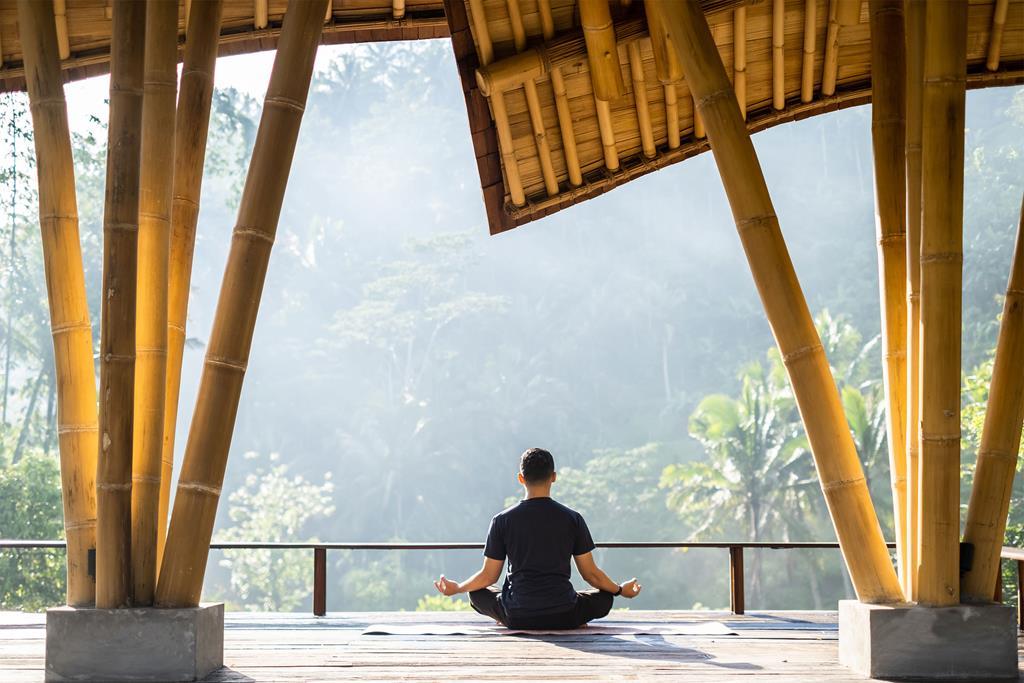
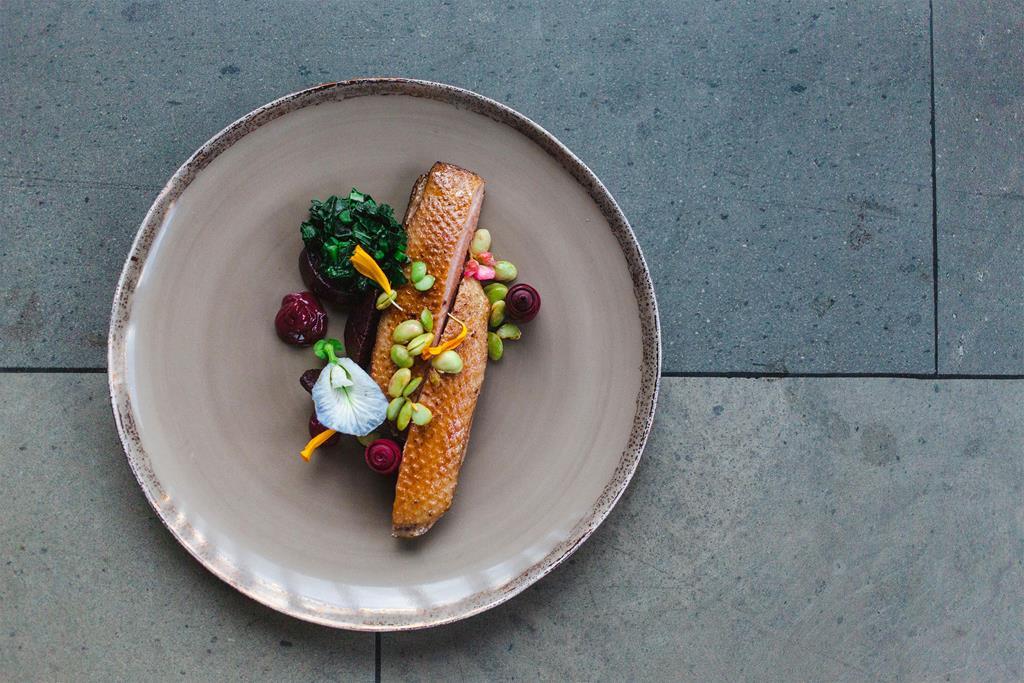
Deep in the highlands of Payangan, about an hour’s drive north of Ubud, Buahan begins where the paved road ends. A staff member immediately hands newly arrived guests a wooden mallet. Suspended in the middle of nature, the kulkul is traditionally used to communicate with neighbouring villages. Three firm strikes ring out across the valley, signalling their arrival. The property’s 16 villas have no walls or doors, promising an intimate encounter with the forest’s humidity, regardless of wind or season. The local climate is what makes this place unique. Buah is Balinese for “fruit”, and the property’s moniker is hardly just lip service. Nor is its commitment to sustainable agricultural practices a marketing gimmick: it’s a genuine ecosystem best evidenced in its food concept, which leans on ultra-local ingredients sourced from a network of producers the hotel actively supports, a 70 per cent plant-based kitchen, and exceptional menus that change every day, from breakfast to dinner. The land’s resources are also woven into every experience the hotel offers, from preparing a boreh (a warming, circulation-boosting body wrap) to crafting a loloh (a drink made from herbs and plants used in traditional medicine), to a purification ritual at the Tjampuhan waterfall, a natural wonder reachable on foot from your villa.
 (Photo: Kevin Mak)
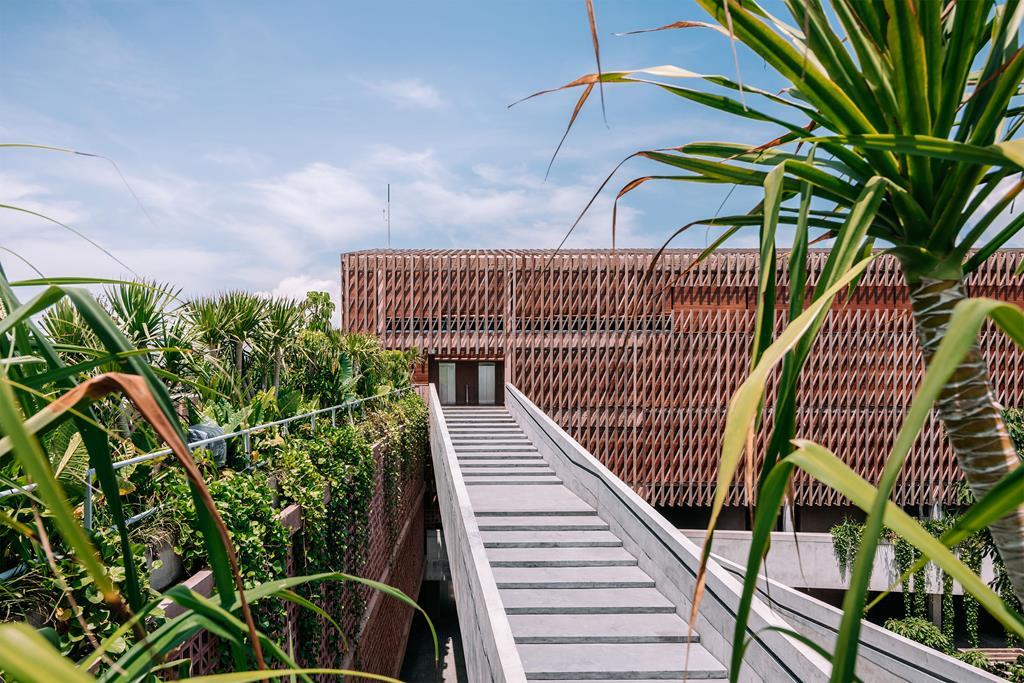
Seminyak’s cult beach club has always known that the best parties leave behind a lasting impression … provided that that impression isn’t left on the beach itself. At this 225-room resort, every decision is filtered through an obsession with zero waste. “Nature is our reference point. It teaches balance, patience, cycles and interconnection,” explains Indonesian entrepreneur Ronald Akili, the founder of the Potato Head universe. “Even if it’s so easy to get distracted day-to-day – by noise, ego or insecurity. Our thinking comes from observing how things naturally work. There’s a Taoist approach to it all: don’t try to control everything, but work with what is already there.” In 2024, the property launched its Community Waste Project, an ambitious programme built on regeneration and creativity. The idea is no longer to treat waste as a problem to be managed, but as an undervalued resource. Materials such as polystyrene and oyster shells are transformed into beautiful and functional objects via a process in which guests can take part. If any final proof were needed, it shows that caring for a place can also be fun – and genuinely exciting.
 © Nirjhana
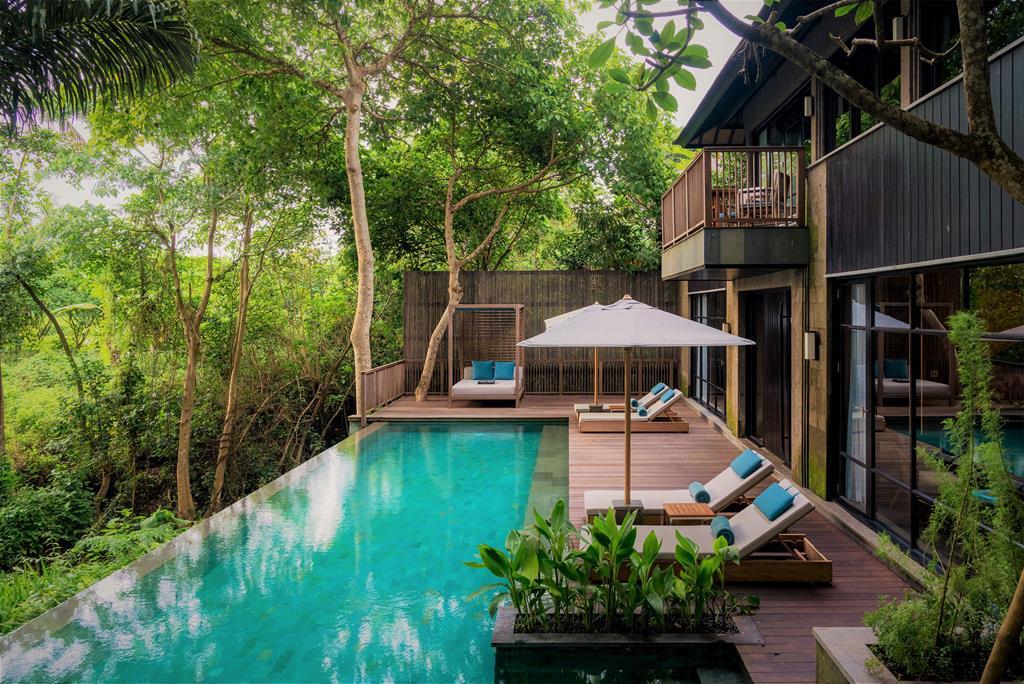
Northwest of Denpasar and Canggu, where the roads narrow and the terraced rice fields have not yet fallen under the gaze of a million smartphones, another Bali exists. It’s here, in Tabanan, that Nirjhara has evolved with a simple but compelling proposition: escape and learn to breathe again. Suites and villas are arranged around a stream (nirjhara means “waterfall” in Sanskrit) and dissolve into the landscape so that nature is never a backdrop, but a conversation partner. They blend recycled wood, volcanic stone and natural fibres with strong traditional elements – such as sirap shingle roofing – that coexist alongside an overall contemporary aesthetic. Day to day, the hotel works actively with local communities in the region, which have long remained on the margins of tourism development. Staying here means putting money into places devoid of the usual tourist hordes: villages where the economy remains rural and whose residents still ply artisanal crafts and have not yet shifted toward mass production. Just as a minority of destinations worldwide absorb the vast majority of tourists, Nirjhara is a reminder that Bali is not saturated but rather unevenly distributed. It’s also proof that the so-called Island of the Gods still has its edges and its silences, provided you know where to look.
 © Nirjhana
Buahan, A Banyan Tree Escape is a member of Fine Hotels + Resorts. For more information or to make a booking, please contact your Centurion Travel Service.