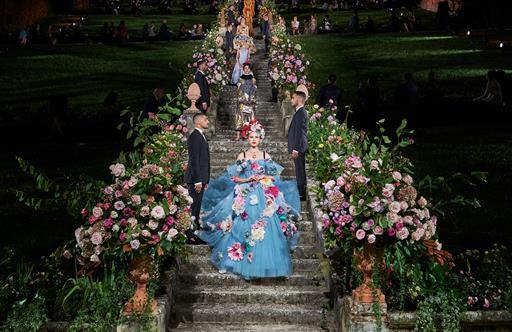
Talk of the Town
Buoyed by a raft of hotly awaited hotel, art and restaurant openings, London is in overdrive once again.

Few cities reinvent themselves as confidently as London is doing right now, with landmark buildings reborn as hotels, storied dining rooms changing hands, and cultural institutions redrawing the artistic map.
Checking In
The defining story of the year is the reinvention of iconic buildings – naval clubs, government offices and department stores – as hotels of real consequence. It’s a transition that has been in progress for years (think of the Raffles in the Old War Office and the Rosewood in the former US Embassy, to name just two) but 2026 is peak changing of the guard, so to speak.
At the foot of The Mall, Admiralty Arch – Grade I-listed and six years in conversion – opens later this year as a Waldorf Astoria London, with 114 rooms and suites and a rooftop terrace overlooking both Trafalgar Square and The Mall, along with restaurants by Clare Smyth and Daniel Boulud. Over on Piccadilly, Auberge Collection makes its London debut at Cambridge House, also a Grade I-listed edifice that was once the In & Out Club. Its 102 rooms by Jean-Louis Deniot will be joined by three floors given over to wellness. Around the corner, The Shepherd Mayfair, boasting bespoke joinery in every room and supersize photos by noted local photographers Jack English and George McLeod, trades on the raffish history of its Shepherd Market enclave, while up on New Bond, at the corner of Conduit Street, the former Westbury will eventually re-emerge (the delay already measures years) as The St Regis London, the brand’s first UK address with a bill of £90 million, 193 rooms and a restaurant by Michelin-starred Daniel Rose.
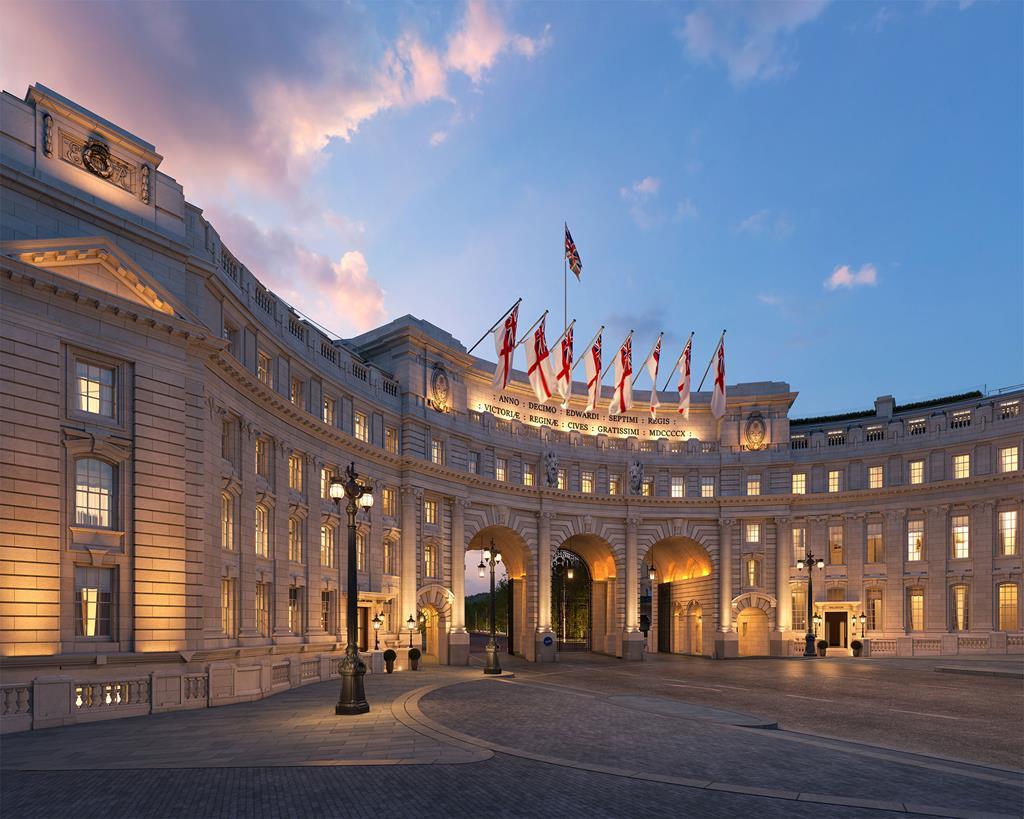 Waldorf Astoria London - Admiralty Arch
Three of the year’s most significant new hotels are already receiving guests. Six Senses made its British debut in March at The Whiteley, the former Bayswater shopping palace restored by Foster + Partners. There are 109 rooms and suites, 14 residences and a 2,300 sq m spa, plus Six Senses Place, the brand’s first members’ club. In Fitzrovia, The Newman launched in February – an 81-key property from alumni of The Beaumont, The Goring and The Standard, with Brasserie Angelica, the basement Gambit Bar and a full wellness floor. And Nick Jones, the founder of Soho House, has just unveiled his latest venture, St Clement, in the 180 Quarter development near Temple. There’s promise of member-like priority rates for regulars, and a forthcoming restaurant by Florence Knight on the 11th storey, joining the already open Café Clement and moody bar Bobbi’s.
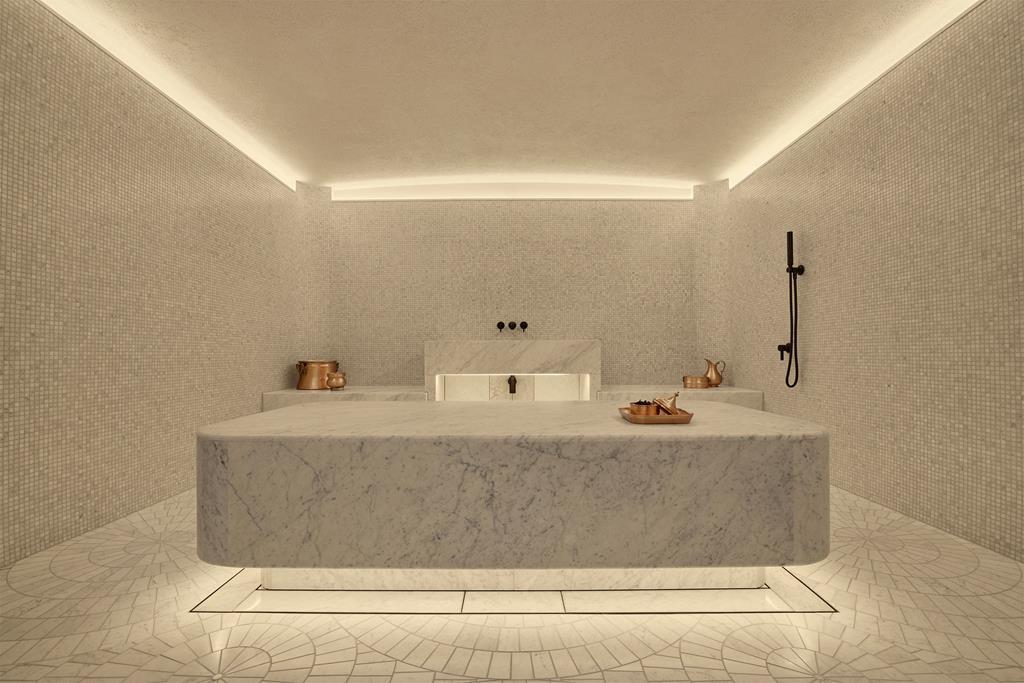 Six Senses London
At Table
No recent opening carries more symbolic weight than Bonheur, where Matt Abé – latterly chef-patron of the three-Michelin-starred Restaurant Gordon Ramsay – has gone solo on the former Le Gavroche site in Mayfair, among the most storied addresses in London dining, and earned two Michelin stars within three months. He’s not alone in stepping out of a starred kitchen with eyes on more stars: Spencer Metzger, of the two-Michelin-starred Row on 5, introduced Chez Rose in June, a French bistro on Pollen Street’s former Little Social site. History of a different kind returned in March, when Simpson’s in the Strand reopened under the direction of London’s best-known restaurateur, Jeremy King, after six years’ closure: the Grand Divan has been restored to Edwardian splendour, with silver carving trolleys and master carvers back in service, joined by two bars and a second restaurant, Romano’s.
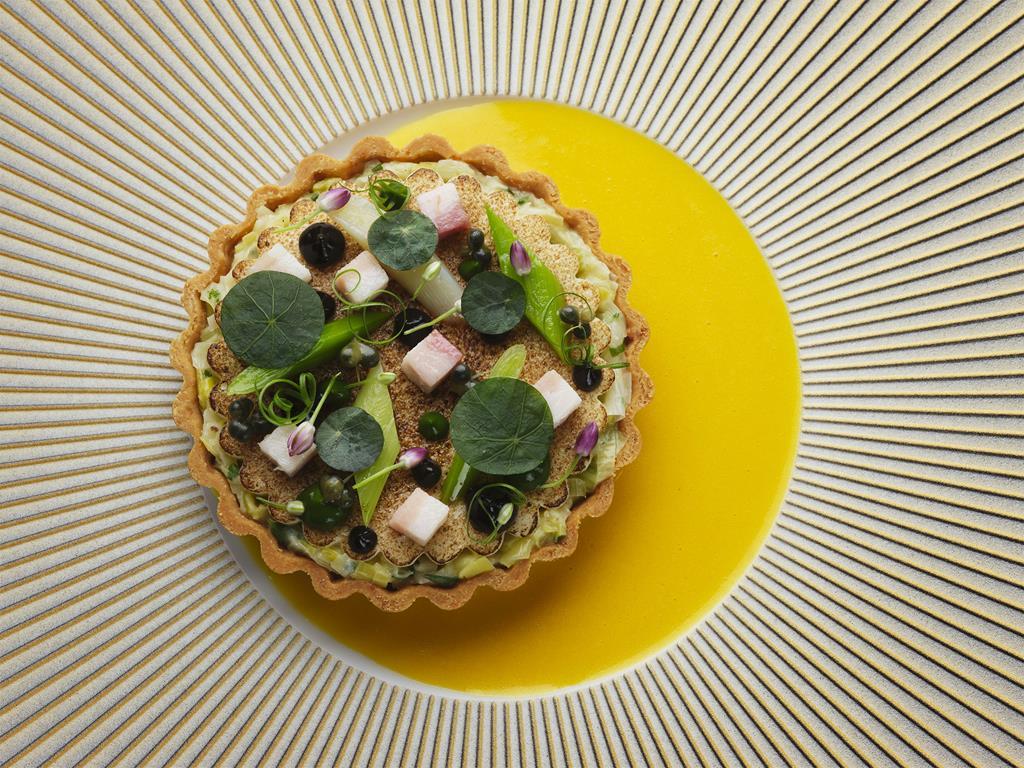 Bonheur
Transatlantic glamour is a running theme these days. Dante Mayfair, the New York bar-restaurant whose Claridge’s residency proved too popular to end, became permanent this summer, its shrimp cocktails, celebrated martinis and New York-Italian cooking having acquired a distinctly Mayfair polish, while Automat, which was unveiled late last year behind a discreet entrance through the Tanner Krolle boutique on Mount Street, deals in early-century American decadence: lobster, chops and martinis again. The biggest arrival of all, though, is Carbone, the Greenwich Village red-sauce institution whose first European outpost opened last autumn in The Chancery Rosewood. Spicy rigatoni, tableside Caesar salads and Ken Fulk’s mid-century supper-club rooms ensure tables every bit as sought after as those in Manhattan.
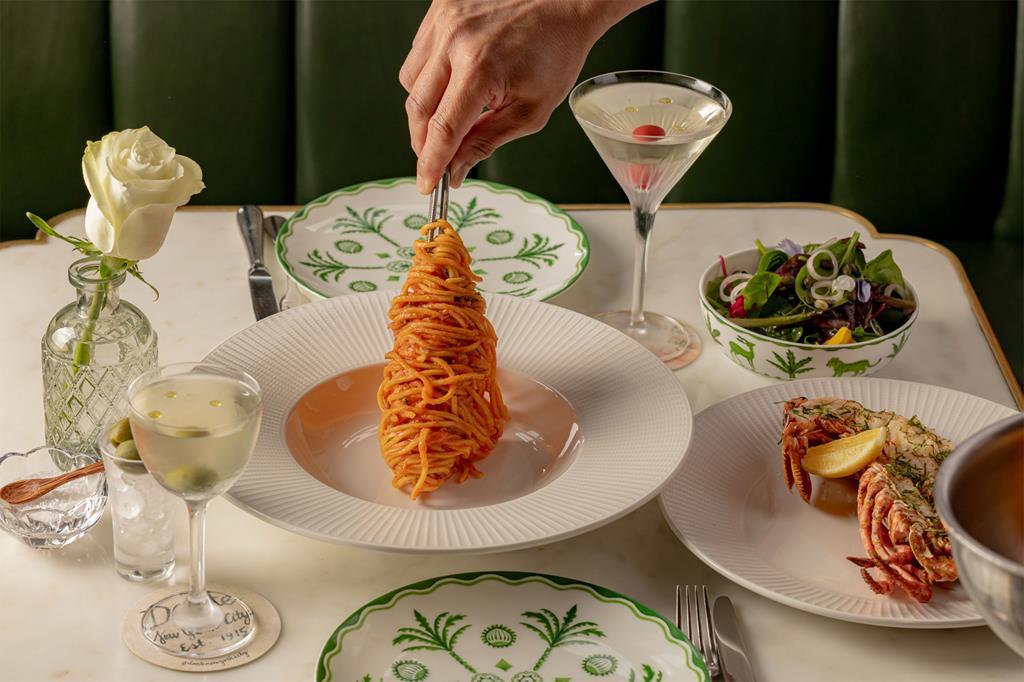 Dante
Among the European marquee names, Milanese fashion-world haunt Langosteria has opened in The OWO, while Ibiza glam-forward star Jul’s has been a see-and-be-seen destination since opening in St James’s in March. Diners seeking a bit more adventure should make for newcomer Vesper in Exmouth Market, where the bustling atmosphere perfectly complements the inventive small plates. In Borough, just around the corner from the famed market, Aktar Islam – of Birmingham’s two-Michelin-starred Opheem – brings Awadhi cuisine, from dum pukht biryanis to silken kebabs, to three floors of a charming Victorian building in Oudh 1722. And to challenge both one’s expectations and taste buds, Aces Foodcraft in Fitzrovia serves up produce-led menus (best enjoyed at the counter if you can get a seat) with dishes that are as creatively conceived as they are named: French Man in Japan, for instance, comprises wild salmon eggs, smoked cheese milk, toasted almonds, red pepper and lemon.
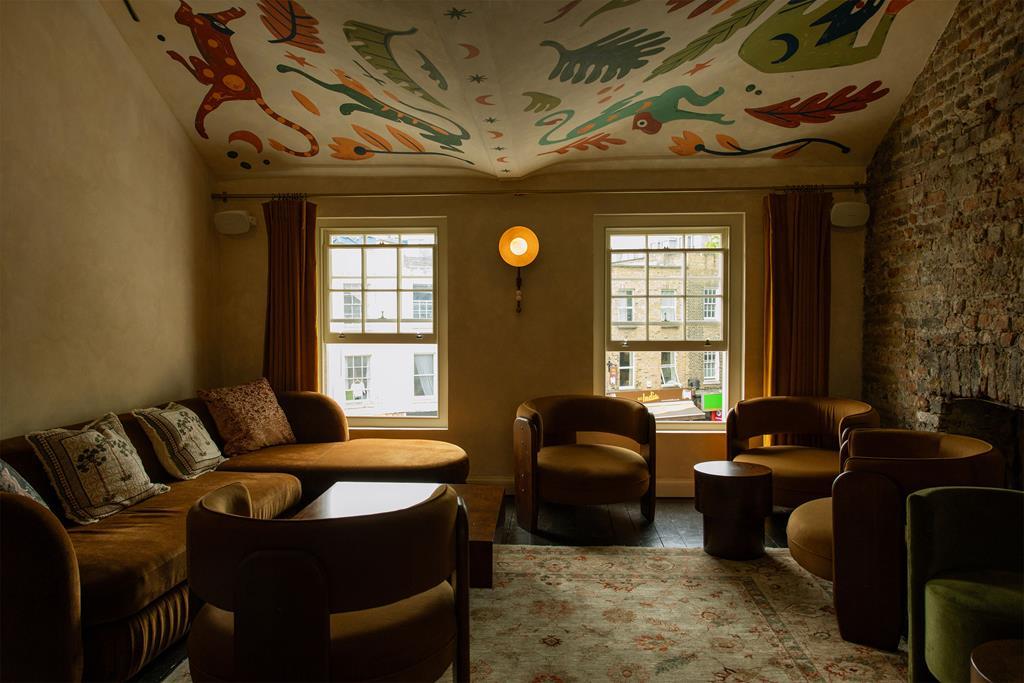 Oudh 1722
Bars are Back
You can’t go wrong at Dukes Bar. The gin-martini shrine – still the benchmark against which every hotel bar in the city is judged – spent some of the summer closed as part of extensive refurbishments to the full hotel, and the bar has recently also broadened its repertoire into whisky with the new Delany Drawing Room, home to signature cocktails and distillery-led tastings. The martini’s grip on Mayfair tightens at Brutes, a dedicated martini bar on Bruton Place – wet, dry, brutal or dirty, with blue-cheese olives and caviar bumps – while The Chancery Rosewood’s Eagle Bar has added a second terrace, offering views both east and west. In Covent Garden, award-winning bartender Angelos Bafas has opened Cato, its julep-themed ground floor supplied by herbs grown in-house, while its conceptual basement menu is an exploration of colour and flavour. Other subterranean starts include Dive in Marylebone, the creation of French DJ Antoine Le Dirat-Giacometti that pairs carpeted walls with superb tunes and a short menu of creative cocktails; and Kiyori beneath Aki London on Cavendish Square, which offers Japanese-inspired pours under star designer Francis Sultana’s gilded ceilings.
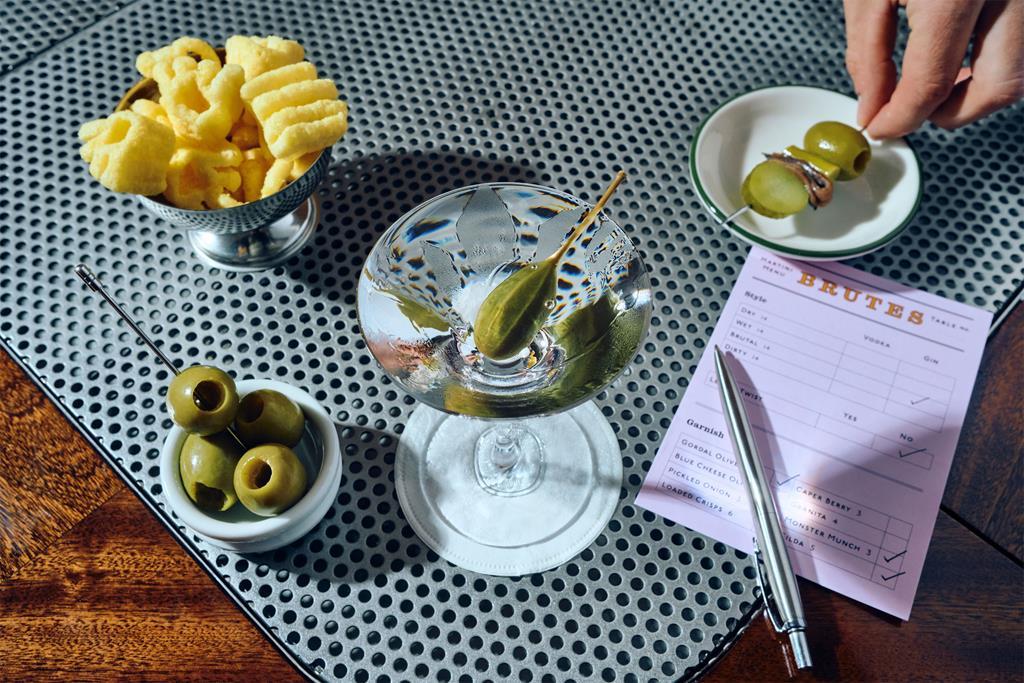 Brutes
Around Town
The cultural ticket of the year requires no introduction: from September 2026, the Bayeux Tapestry is on display at the British Museum – on British soil for the first time in nearly 1,000 years, and reason enough to visit the city (until 11 July 2027). In November, the London Museum will welcome visitors at Smithfield Market after a £437m transformation, with free permanent galleries, the glittering Cheapside Hoard and a viewing window onto passing Thameslink trains joining the new V&A East Museum, which opened in April in Stratford, and the Quentin Blake Centre for Illustration, reborn this summer in a permanent Clerkenwell home.
There is much else to enjoy beyond the new buildings, including the major Frida Kahlo retrospective at Tate Modern (until 3 January); The 90s: Art and Fashion at Tate Britain (8 October – 14 February), a look at the decade that changed everything for the city; and Van Eyck: The Portraits at the National Gallery (21 November – 11 April), which gathers together all of the artist’s known painted portraits for the first time in history.
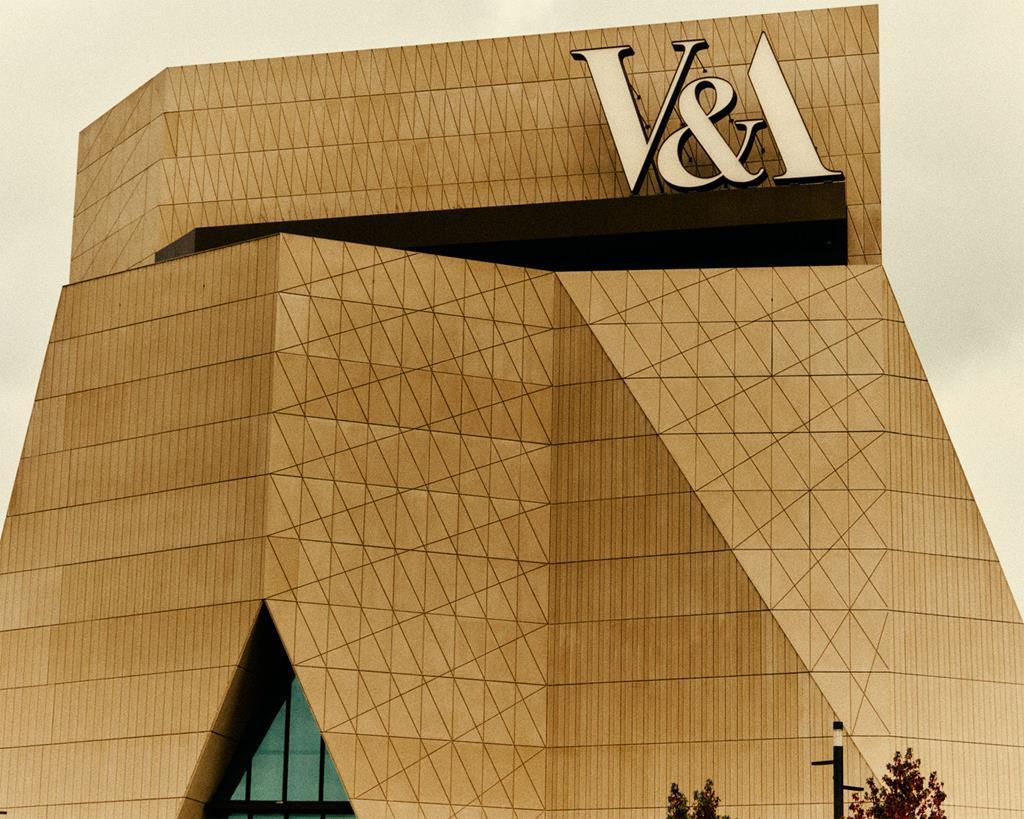 V&A East Museum
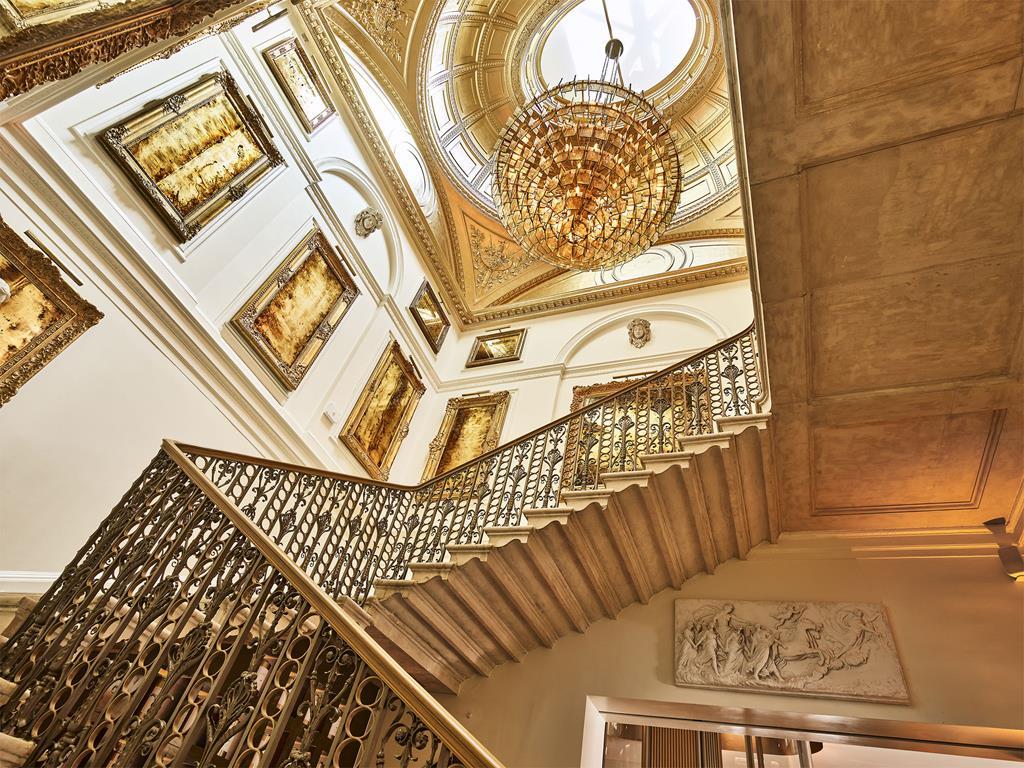
For those interested in a dose of retail therapy, Mayfair has welcomed two blockbuster institutions: Hermès’ largest store in Europe – and only its sixth maison worldwide – now occupies 166 New Bond Street, a 2,000sq m flagship set across 55 rooms in six Grade II-listed buildings with some 500 artworks, two roof terraces, a cafe and an in-house repair atelier. Meanwhile, RH, the American furniture house, has also opened its urban jewel box, which stretches across Uxbridge House and neighbouring buildings on Burlington Gardens, just across from the Royal Academy, to the tune of 5,000 square metres – including what it calls the largest curated collection of luxury home furnishings in the world, alongside an exhibition space and two standout restaurants. Head upstairs to The Perch, designed by Anouska Hempel, for one of Mayfair’s most sophisticated rooftops and a reminder that all the best London addresses are perpetual works in progress.
 RH